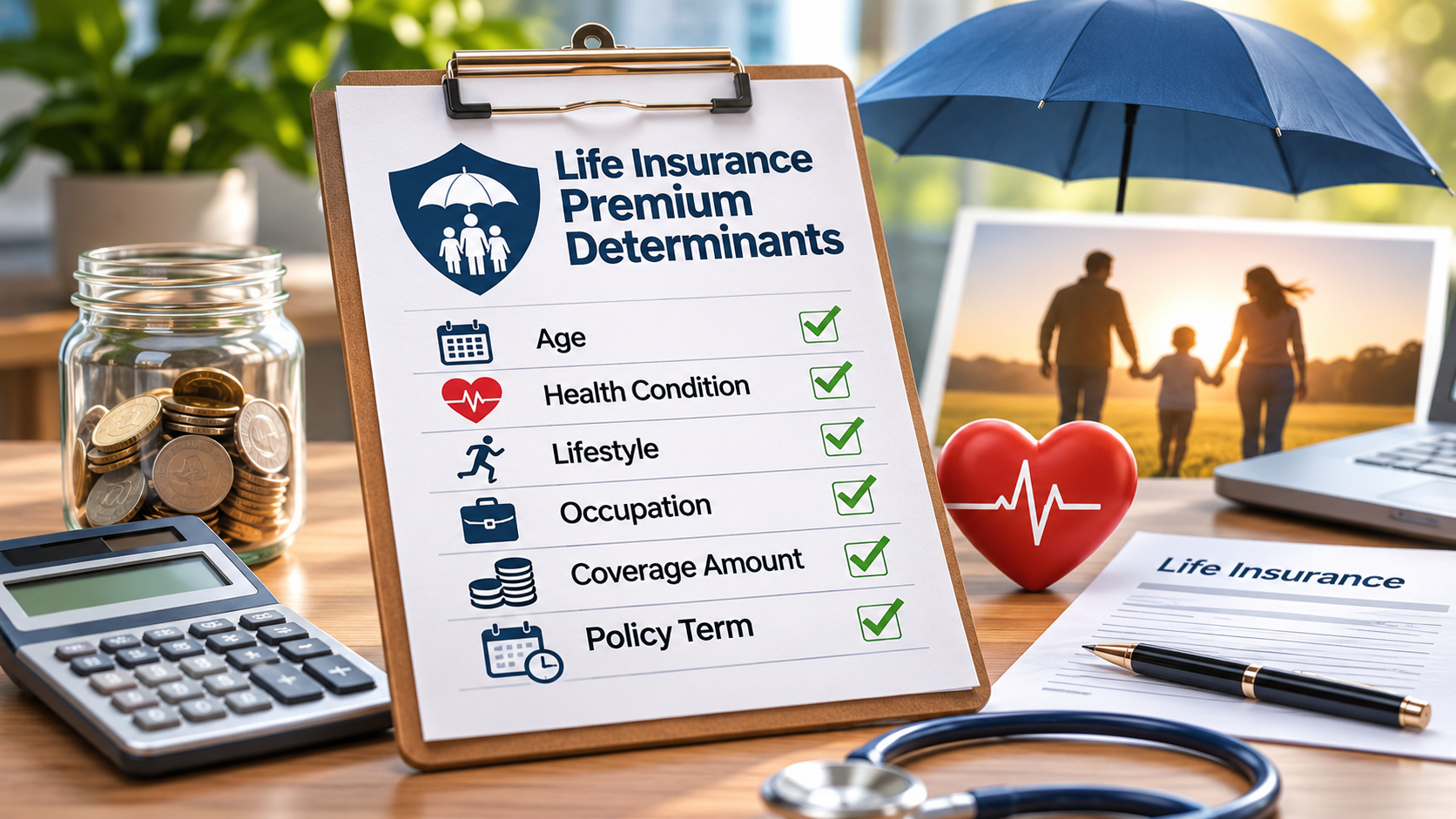
Life Insurance Premium Determinants serve as the foundation for understanding how insurance companies assess risk and calculate costs. Navigating the complexities of life insurance can feel overwhelming, but grasping the key factors behind premium determination can empower consumers to make informed choices. From age and health status to lifestyle choices and economic conditions, numerous elements influence how much you’ll pay for life insurance. This guide will delve into each determinant, offering insights and examples to clarify the premium-setting process.
As we explore the intricacies of life insurance premiums, it becomes clear that a well-rounded understanding of these determinants can significantly impact your financial planning. By recognizing how various factors interplay, you can better anticipate changes in your premiums and ensure that you are choosing the right policy for your needs.
Understanding the Concept of Life Insurance Premiums
Life insurance premiums are the payments made to an insurance company in exchange for a life insurance policy. These payments are crucial as they allow policyholders to secure financial protection for their beneficiaries in the event of their death. The premium contributes to the insurance pool, which is used to pay claims to beneficiaries and cover the operational costs of the insurance provider.
Premiums are calculated based on several key factors, including the insured’s age, health status, lifestyle choices, and the type of coverage selected. Insurance companies use statistical models and actuarial data to assess risk and determine appropriate rates. For instance, younger individuals typically pay lower premiums since they are considered lower risk compared to older applicants. Similarly, a person with pre-existing health conditions may face higher premiums due to the increased likelihood of a claim being made.
Factors Influencing Life Insurance Premiums
Understanding the determinants of life insurance premiums is vital for both insurers and policyholders. Here are some of the primary factors that influence premium calculations:
- Age: Generally, the younger you are when you purchase life insurance, the lower your premiums will be, as younger individuals are statistically less likely to die soon.
- Health Status: Insurers evaluate your health during the underwriting process. Those with pre-existing conditions may face higher premiums due to the anticipated risk.
- Gender: Statistically, women tend to live longer than men, which can result in lower premiums for female applicants.
- Occupation: Dangerous jobs that increase the risk of accidental death can lead to higher premiums.
- Lifestyle Choices: Factors like smoking, alcohol consumption, and exercise habits can significantly affect premium rates, with healthier lifestyles often leading to lower costs.
- Coverage Amount: The higher the death benefit you choose, the higher your premiums will be. This is a straightforward relationship where larger sums insured equate to greater risks for the insurer.
- Policy Type: Different types of life insurance policies, such as term life or whole life, have different premium structures. Term life usually has lower premiums compared to whole life policies due to its temporary nature.
Incorporating all these elements allows insurers to create a tailored premium that reflects the unique risk profile of an individual. For example, a 30-year-old non-smoker in good health looking for a term life policy with a $500,000 death benefit may pay significantly less than a 50-year-old smoker seeking the same coverage.
Life insurance premiums are not one-size-fits-all; they reflect the individual’s unique risk factors and the insurance provider’s assessment of those risks.
When considering life insurance, it’s essential to assess these factors thoroughly and understand how they influence the overall cost of your premiums. This knowledge can empower individuals to make informed decisions when selecting the best policy for their needs.
The Role of Age in Determining Life Insurance Premiums
Life insurance premiums are influenced by various factors, with age being a primary determinant. As individuals age, they naturally face a higher risk of health issues and mortality, which directly impacts the cost of life insurance. Insurance companies assess this risk to set premiums that reflect the likelihood of a policyholder making a claim. Understanding how age affects these premiums is crucial for anyone considering life insurance.
Age is a critical factor in the risk assessment process for life insurance. When underwriting a policy, insurers look at age as a significant predictor of life expectancy. Generally, the younger the policyholder, the lower the risk and, consequently, the lower the premium. This is due to the statistical correlation between age and health; older individuals tend to have higher incidences of chronic illnesses or conditions that can lead to premature death.
To illustrate the impact of age on life insurance premiums, consider the following age brackets and their average premium costs based on a standard $500,000 term life insurance policy:
| Age Bracket | Average Monthly Premium |
|---|---|
| 20-29 | $20 – $30 |
| 30-39 | $30 – $50 |
| 40-49 | $50 – $100 |
| 50-59 | $100 – $200 |
| 60+ | $200 – $500 |
This data highlights how premiums escalate as individuals age. For instance, a healthy 25-year-old may pay around $25 monthly, while a 55-year-old could face premiums exceeding $150 monthly for similar coverage.
As policyholders age, the probability of health complications rises, and this increased risk is reflected in their life insurance premiums.
In summary, age plays a pivotal role in determining life insurance premiums. Younger individuals enjoy lower rates due to their longer life expectancy, while older individuals face higher premiums as a reflection of their increased risk. Understanding this relationship can help individuals plan their life insurance needs more effectively.
Health Status as a Critical Factor in Life Insurance Premiums
The health status of an individual plays a pivotal role in determining their life insurance premiums. Insurers assess various health conditions to gauge risk levels, which subsequently influences the cost of coverage. Understanding these determinants can help consumers make informed decisions when purchasing insurance.
Insurers utilize an underwriting process to evaluate an applicant’s health status. This process involves reviewing medical histories, conducting physical examinations, and sometimes requiring lab tests. The goal is to identify any health issues that may increase the likelihood of premature death, thus affecting the premium rates. Insurers look for specific criteria, including chronic diseases, lifestyle choices, and even family medical history, to accurately assess risk.
Impact of Pre-existing Conditions on Premiums
Pre-existing health conditions can significantly inflate life insurance premiums. Insurers categorize these conditions based on severity and potential impact on longevity. Here are some common health conditions that can lead to higher costs:
- Diabetes: Individuals with diabetes often face increased premiums due to the associated risks of complications such as heart disease and kidney failure.
- Heart Disease: A history of heart problems prompts insurers to classify applicants as higher risk, leading to steeper premiums.
- Cancer: A diagnosis of cancer, even if in remission, can result in high premiums because of the potential for relapse and ongoing health challenges.
- Respiratory Conditions: Conditions like asthma or chronic obstructive pulmonary disease (COPD) may lead to higher rates due to increased likelihood of health complications.
In addition to these conditions, lifestyle factors such as smoking, obesity, and excessive alcohol consumption can further elevate premiums. For instance, a 45-year-old male smoker with hypertension may pay double the premium compared to a non-smoker with a similar age and health profile.
Insurance companies often use a rating system that assigns a risk class to applicants based on their health status. The classes can range from preferred (lower premiums) to substandard (higher premiums). This classification directly correlates to the individual’s health condition and overall risk profile, shaping the premiums they will ultimately pay.
“Health status is a key determinant in the life insurance underwriting process, influencing not just eligibility but also premium calculations.”
Lifestyle Choices and Their Impact on Premiums
Life insurance premiums are influenced by various factors, with lifestyle choices ranking among the most significant. Underwriters assess individual habits such as smoking, alcohol consumption, and exercise patterns to determine the level of risk associated with insuring a person. This evaluation directly affects the cost of premiums, often leading to differences that can be substantial over time.
Lifestyle choices play a crucial role in determining life insurance costs, as they can indicate the overall health and longevity of an individual. For instance, smokers typically face higher premiums because they are at increased risk for various health conditions, including cancer and heart disease. On the other hand, individuals who lead active lifestyles and maintain a healthy diet may benefit from lower premiums. Full disclosure of these lifestyle habits during the application process is essential, as insurers rely on accurate information to calculate risk appropriately.
Impact of Smoking and Drinking
Smoking significantly increases life insurance premiums due to its well-documented association with a range of health issues. Smokers may pay premiums that are up to 50% higher than non-smokers. Similarly, excessive alcohol consumption can lead to health complications, which in turn can raise insurance costs. Insurers often categorize applicants based on their smoking and drinking habits to assess their risk levels accurately.
Insurers generally categorize applicants based on their lifestyle habits, which directly influences their risk assessment.
Importance of Full Disclosure
Full disclosure of lifestyle habits during the application process is vital for several reasons. First, it ensures that the underwriting process is fair and accurate, allowing insurers to set appropriate premium rates based on the risk presented. Additionally, failing to disclose relevant information can lead to policy cancellation or denial of claims in the future, as insurers reserve the right to investigate the validity of claims based on the original application details.
Case Studies of Lifestyle Changes
Several real-life examples illustrate how lifestyle changes can lead to premium adjustments. Consider the case of John, a 45-year-old man who was a heavy smoker and drank alcohol frequently. His initial premium was significantly higher due to these habits. After he quit smoking and reduced his alcohol intake over a year, he reapplied for coverage and received a much lower premium, reflecting his improved health status.
Another example is Sarah, a 50-year-old woman who began a rigorous exercise regime and adopted a healthier diet. Originally classified as overweight, her lifestyle changes led to weight loss and improved health metrics. When she applied for life insurance again, her premium decreased because of the lower risk associated with her healthier lifestyle.
Positive lifestyle changes can result in significant premium reductions over time.
These examples demonstrate the tangible benefits of making healthier choices and the potential impact on life insurance premiums. Individuals are encouraged to maintain a healthy lifestyle not just for personal well-being, but also for the financial benefits that come with lower insurance costs.
The Importance of Policy Type in Premium Determination
Life insurance policies are categorized mainly into two types: term life insurance and whole life insurance. Each type has distinct features, benefits, and premium calculations that significantly affect the overall cost of insurance. Understanding these differences is essential for policyholders seeking to choose the right coverage for their needs.
The calculation of insurance premiums is influenced heavily by the type of policy selected. Term life insurance offers coverage for a specified term, typically ranging from 10 to 30 years, and is generally more affordable due to its temporary nature. In contrast, whole life insurance provides lifelong coverage, accumulating cash value over time, which makes it more expensive. Additionally, policyholders should consider riders and additional features, as these can further impact the premium amount. Riders are optional add-ons that enhance coverage, such as critical illness or accidental death benefits, and can lead to higher premiums.
Differences in Premium Calculations
A comparison of term life and whole life insurance policies highlights the key differences in premium calculations. Here’s a breakdown of the factors that contribute to the premium amounts for each policy type.
| Policy Type | Typical Coverage Duration | Premium Cost | Cash Value Accumulation |
|---|---|---|---|
| Term Life Insurance | 10 to 30 years | Lower premiums | No cash value |
| Whole Life Insurance | Lifetime | Higher premiums | Builds cash value |
The above table illustrates the fundamental differences in coverage duration, cost, and cash value accumulation between term and whole life policies. Term life is suitable for those seeking affordable coverage for a limited time, while whole life appeals to individuals looking for lifelong protection and an investment component.
In addition to these base premiums, optional riders can significantly alter the final premium amount. These riders may include features like disability waivers or additional coverage options to cater to specific needs. Adding riders typically increases the premium but can provide valuable peace of mind.
“Incorporating riders into your life insurance policy not only enhances coverage but also reflects personal financial goals and risk management strategies.”
Understanding the implications of choosing one policy type over another, along with the effects of riders, is crucial for anyone considering life insurance. By evaluating how these factors influence premiums, consumers can make informed decisions tailored to their financial needs and future plans.
The Influence of Occupation on Life Insurance Premiums
Understanding the various factors that influence life insurance premiums is crucial for anyone looking to secure their financial future. One of the most significant factors is occupation. Different professions carry distinct risk levels, which can dramatically affect how much a person pays for life insurance. Insurers assess the likelihood of claims based on the specific risks associated with various jobs, leading to variations in premium costs across different career paths.
Occupational Risk Assessment
Insurers utilize extensive research and data to evaluate the occupational risks when determining life insurance rates. Certain jobs involve higher risk due to exposure to hazardous environments, physical demands, or higher mortality rates. Conversely, occupations considered low-risk typically enjoy lower premiums. Below are some key points detailing occupations that generally incur higher or lower premiums, along with insights into how these assessments are made.
- High-risk Occupations: Professions such as construction workers, firefighters, and police officers often face increased dangers on the job. These roles are associated with higher accident rates and potential fatalities, resulting in elevated premiums. For instance, a construction worker may pay significantly more than an office worker due to the inherent risks of working at heights or with heavy machinery.
- Low-risk Occupations: Jobs that are primarily desk-based, such as accountants or software developers, usually see lower premiums. These positions are generally considered secure and come with minimal risk of injury or life-threatening situations, which can translate to cost savings in insurance premiums.
- Evaluation Methods: Insurers collect data from various sources, including occupational hazard reports, industry safety statistics, and historical mortality rates associated with specific professions. Additionally, they may consult the Bureau of Labor Statistics and other reliable entities to assess risk factors accurately.
“The assessment of occupational risk is a crucial step in determining life insurance premiums, impacting the cost significantly.”
The Impact of Geographic Location on Life Insurance Premiums
Geographic location plays a crucial role in determining life insurance premiums. Variations in rates across different regions can be significant, influenced by multiple factors unique to each locality. Understanding these influences can help consumers make informed decisions when selecting life insurance policies.
The impact of geography on life insurance premiums is multifaceted. Factors such as crime rates, healthcare access, and environmental risks are critical in shaping the cost of life insurance. Insurance companies evaluate these elements to assess the risk associated with insuring individuals in particular areas. For instance, regions with high crime rates may see higher premiums due to the increased risk of premature death, while areas with access to quality healthcare may benefit from lower rates as they suggest a better overall life expectancy.
Factors Influencing Premiums by Location
A variety of elements contribute to geographic variations in life insurance premiums. Here are the main factors considered by insurers:
- Crime Rates: Areas with higher crime rates often experience elevated insurance premiums. For example, urban regions with significant violent crime may see premiums increase by 10% to 20% compared to safer suburban locales.
- Healthcare Access: Regions with robust healthcare facilities tend to have lower mortality rates, which can lead to reduced premiums. For instance, states with a high number of hospitals and healthcare providers may have premiums that are 15% lower than states with limited access to medical services.
- Environmental Risks: Geographic areas prone to natural disasters—such as hurricanes, floods, or wildfires—face higher premiums. For example, individuals living in hurricane-prone areas like Florida can see life insurance premiums increase by 25% or more due to the elevated risk of loss of life.
- Population Demographics: The age and health of a population can influence rates. Regions with a higher proportion of elderly residents may face higher premiums due to increased health risks associated with aging.
- Economic Stability: Areas with stable economies and lower unemployment rates are often regarded as lower risk, translating to more favorable premiums. In contrast, economically distressed areas may see premiums rise by as much as 30% due to perceived instability.
Statistical analyses reveal significant geographic disparities in premium costs. For example, a study by the National Association of Insurance Commissioners found that life insurance premiums could vary by as much as 50% between states. This variation underscores the importance of geographic context in the insurance industry. By examining local conditions, consumers can better understand the nuances behind their life insurance rates and make more informed choices when purchasing coverage.
Economic Factors and Their Effect on Life Insurance Premiums
Understanding the economic factors that influence life insurance premiums is crucial for both insurers and policyholders. Economic conditions such as inflation and interest rates play a significant role in determining the pricing of life insurance products. As these factors fluctuate, they create a ripple effect that can lead to adjustments in premium costs, impacting both the insurance industry and consumers alike.
Economic conditions significantly impact life insurance pricing, particularly through inflation and interest rates. Inflation can erode the purchasing power of money, leading insurers to adjust premiums to maintain their profit margins. When inflation rises, the cost of providing benefits increases, prompting insurance companies to raise premiums to ensure they can fulfill future obligations. On the other hand, interest rates affect the returns on the investments that insurers make with premium payments. When interest rates are low, insurers may seek to compensate by raising premiums to ensure sustainable operations. Conversely, a high-interest environment can allow insurers to offer more favorable rates due to better investment returns.
Inflation and Its Impact on Premiums
Inflation directly affects the cost of living and, consequently, the amount of coverage individuals feel they need. When inflation increases, policyholders may seek higher coverage amounts, leading to a general increase in premiums across the board. Insurers must also contend with higher claims costs, as the value of the payouts they deliver will need to match the increased costs of goods and services.
– For instance, if inflation rises by 3%, a $100,000 policy taken out today may not have the same value in 20 years. Thus, insurers adjust premiums not only for current needs but also to anticipate future value erosion.
Interest Rates and Life Insurance Pricing
Interest rates are critical in determining how insurers invest the premiums they collect. When interest rates are low, the income generated from these investments declines, which can lead to higher premiums for policyholders. Insurers may need to increase premiums to maintain profitability, particularly for whole life policies that rely heavily on investment returns.
– Conversely, during periods of high-interest rates, insurers can achieve better returns on their investments, allowing them to offer more competitive premium rates.
Market Trends and the Life Insurance Industry
The life insurance industry is closely tied to broader market trends, including economic cycles, demographic changes, and consumer behavior. Market conditions can influence the demand for various types of insurance products, which in turn affects how premiums are set.
– For example, during economic downturns, there may be a decrease in demand for life insurance as consumers prioritize other financial obligations. This reduction in demand can lead insurers to adjust their pricing strategies to remain competitive while ensuring they can still cover claims.
Fluctuating Economy Effects on Insurance Premiums
A fluctuating economy can introduce volatility in the life insurance market, leading to frequent adjustments in premium pricing. Insurers must remain vigilant to economic indicators such as GDP growth, employment rates, and consumer spending levels.
– For instance, if a recession is anticipated, insurers may preemptively raise premiums to mitigate potential losses from increased claims. This proactive strategy helps ensure financial stability even during uncertain economic times.
In summary, economic factors such as inflation and interest rates play a pivotal role in shaping life insurance premiums. Understanding these dynamics is essential for both insurers and policyholders, as they navigate the complexities of coverage options and pricing in a constantly changing economic landscape.
Conclusion
In conclusion, comprehending the Life Insurance Premium Determinants not only aids in selecting an appropriate policy but also prepares you for future adjustments in premium costs. Being aware of how age, health, lifestyle, occupation, location, and economic factors contribute to your insurance rates allows you to take proactive steps in managing your coverage. With this knowledge, you’re equipped to navigate the insurance landscape confidently and secure a policy that aligns with your financial goals.
FAQ Resource
What are life insurance premiums?
Life insurance premiums are the payments made to an insurance company to maintain coverage under a life insurance policy.
Can life insurance premiums change over time?
Yes, premiums can change based on various factors, including changing health status, lifestyle choices, or adjustments in the economy.
How do I lower my life insurance premiums?
You can lower your premiums by improving your health, quitting smoking, or choosing a policy with fewer additional features.
Are life insurance premiums tax-deductible?
No, life insurance premiums are typically not tax-deductible for individuals.
What happens if I stop paying my life insurance premiums?
If you stop paying your premiums, your policy may lapse, and you could lose your coverage.