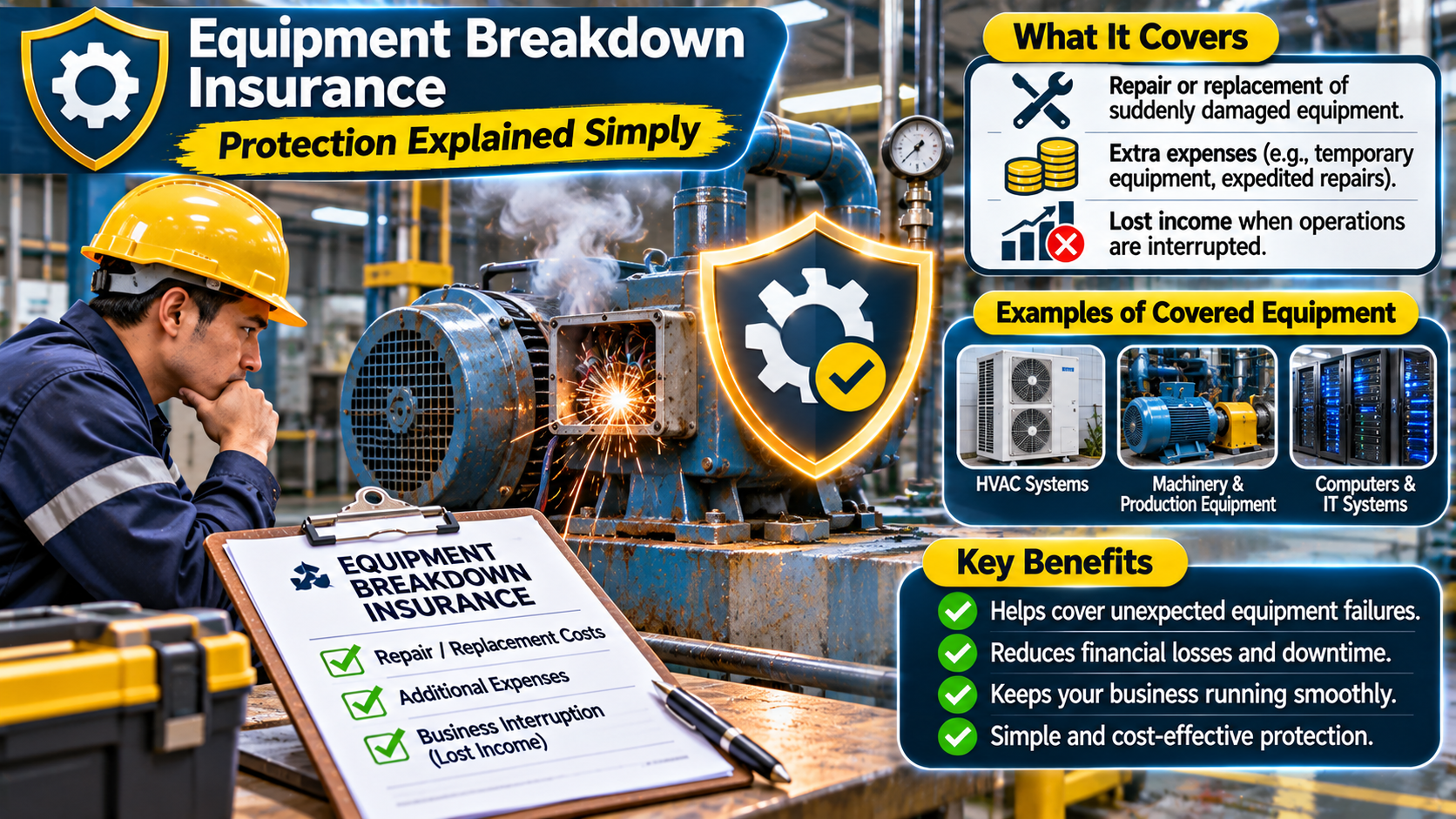
Equipment Breakdown Insurance Protection is an essential safety net for businesses, ensuring that unexpected equipment failures do not derail operations. Imagine a crucial machine suddenly breaking down right in the middle of peak production hours; the financial implications could be disastrous without adequate coverage. This insurance not only safeguards your assets but also provides peace of mind, allowing you to focus on driving your business forward.
Understanding the nuances of this insurance can turn it from a mere policy into a powerful tool for operational success. From protecting vital machinery to enabling smoother cash flow management, Equipment Breakdown Insurance plays a significant role in maintaining business continuity and enhancing overall resilience against unforeseen disruptions.
Understanding Equipment Breakdown Insurance Protection
Equipment Breakdown Insurance Protection is a specialized form of coverage designed to safeguard businesses against the financial losses resulting from the unexpected breakdown of vital machinery and equipment. This insurance provides a safety net, ensuring that companies can maintain operations without incurring devastating repair or replacement costs. It is essential for businesses that rely heavily on machinery, as the sudden failure of equipment can lead to significant operational disruptions, loss of revenue, and increased expenses. The coverage typically includes not only the direct costs of repairing or replacing equipment but also ancillary costs like lost income and extra expenses incurred during the downtime.
The main objective of Equipment Breakdown Insurance is to mitigate risks associated with equipment failure, allowing businesses to recover quickly and maintain their competitive edge. This type of insurance covers a wide range of equipment, from manufacturing machines to heating and cooling systems. Its importance cannot be overstated, as it serves as a critical component of a comprehensive risk management strategy. In industries where machinery is essential for operations, such as manufacturing, construction, and healthcare, having this protection in place can mean the difference between success and failure in the face of unexpected events.
Types of Equipment Typically Covered
Equipment Breakdown Insurance covers various types of machinery and systems essential for daily business operations. Understanding the scope of coverage is crucial for businesses to ensure they have adequate protection. The following types of equipment are commonly included under this insurance:
- Production Machinery: Equipment used in manufacturing processes, such as conveyor belts, mixers, and CNC machines, is typically covered.
- Commercial Boilers and HVAC Systems: These systems are critical for maintaining a comfortable and safe work environment, making them important to insure.
- Data Processing Equipment: Computers, servers, and networking systems that are vital for operations, including point-of-sale systems.
- Electrical Equipment: Transformers, generators, and switchgear play essential roles in powering operations and are covered under this insurance.
- Refrigeration Units: Essential for businesses in the food service and storage industry to maintain product integrity and safety.
By ensuring coverage for these various categories of equipment, businesses can minimize the financial impact of unexpected breakdowns, allowing for continuity and stability in their operations. The protection offered by Equipment Breakdown Insurance can prove invaluable, especially when faced with the potential high costs of repairs and extended downtimes.
“Equipment breakdown insurance serves as an essential pillar in the risk management framework for businesses reliant on machinery.”
The Benefits of Equipment Breakdown Insurance Protection
Equipment breakdown insurance protection offers organizations a vital safety net against the unforeseen costs associated with machinery and equipment failures. This coverage ensures that businesses can maintain smooth operations, safeguarding them from the financial repercussions of unexpected breakdowns. With technology being integral to almost every industry, having this insurance in place is not just a precaution; it is a strategic decision that can have long-term benefits for an organization.
One of the primary advantages of equipment breakdown insurance is the potential for significant cost savings by preventing business interruptions. When essential equipment malfunctions, the immediate impact can ripple through an organization, leading to halted production, delayed service delivery, and dissatisfied customers. Such interruptions can be costly, not only in terms of lost revenue during downtime but also through the potential loss of future business as customers seek more reliable alternatives. By covering the repair or replacement costs of broken equipment, this insurance helps minimize downtime and keeps operations running efficiently.
Cost Savings and Operational Efficiency
Understanding the financial implications of equipment breakdowns can highlight the value of having insurance protection. The cost savings from timely repairs and replacements can be substantial. Below are a few key points illustrating these savings:
- Immediate Coverage of Repair Costs: Insurance can cover the costs associated with repairing or replacing equipment, alleviating the financial burden on the organization.
- Minimized Downtime: With quicker access to funds for repairs, businesses can resume operations faster, ultimately reducing the loss of income during downtime.
- Improved Cash Flow Management: Predictable insurance costs allow for better budgeting and financial planning, freeing up resources for other business needs.
Moreover, equipment breakdown insurance can enhance overall operational efficiency and reliability. When organizations know they have coverage, they can invest confidently in advanced equipment, knowing that they will be protected against potential failures.
“An efficient operation is not just about having the latest technology, but also ensuring that it keeps running smoothly without unexpected interruptions.”
Investing in this type of insurance also encourages organizations to maintain their equipment better, as regular upkeep can reduce the risk of breakdowns. This proactive approach not only extends the life of the equipment but also enhances overall productivity. By recognizing the importance of both coverage and maintenance, businesses can achieve a more reliable operational framework, thereby positioning themselves for sustained success in their respective markets.
Common Exclusions and Limitations in Equipment Breakdown Insurance Policies
When selecting an equipment breakdown insurance policy, it is crucial for businesses to understand the common exclusions and limitations that could impact their coverage. While these policies are designed to protect against unforeseen equipment failures, not all incidents or equipment types may fall under this protection. Being aware of these exclusions can prevent potential financial surprises when a breakdown occurs.
Various insurance policies can differ significantly in their exclusions, which can affect the overall coverage. Some policies may exclude specific types of equipment, while others may have limitations based on the cause of the breakdown. It is essential for businesses to carefully compare policies to identify these differences and choose one that aligns with their operational needs.
Typical Exclusions and Limitations
Understanding the common exclusions in equipment breakdown insurance helps businesses make informed choices. Here are notable areas often excluded from coverage:
- Wear and Tear: Policies typically do not cover damages resulting from regular wear and tear, as these are considered part of the normal lifecycle of equipment.
- Operator Error: Incidents arising from improper operation or lack of maintenance by employees are generally excluded, placing the responsibility on the business.
- Cosmetic Damages: Damages that do not affect the functionality of the equipment, such as scratches or dents, are usually not covered.
- Acts of God: Natural disasters such as earthquakes or floods may not be included, requiring additional coverage for such risks.
- Specific Equipment Exclusions: Certain types of equipment, like vehicles or computers, may be excluded from coverage depending on the policy terms.
An example of a situation that illustrates these exclusions is a manufacturing business experiencing a breakdown of a production machine due to an employee using it incorrectly. In this case, the claim may be denied because it falls under operator error. Additionally, a restaurant’s refrigeration unit may fail from normal wear and tear, resulting in spoiled inventory without any compensation from the insurance provider. Understanding these exclusions is vital in selecting the right coverage for your business’s unique equipment needs.
Key Factors to Consider When Choosing Equipment Breakdown Insurance Protection
Selecting the right equipment breakdown insurance protection is crucial for businesses that rely on machinery and equipment for their operations. The unexpected failure of essential equipment can lead to significant financial losses, so understanding the key factors involved in choosing an insurance policy is vital. This section highlights important considerations that help businesses make informed decisions tailored to their specific needs.
Evaluating equipment breakdown insurance involves a careful analysis of various components that can affect coverage and costs. Businesses must consider factors such as coverage limits, deductibles, and the specific types of equipment they have. The right policy should not only cover potential losses but also align with the operational risks faced by the business.
Checklist of Considerations for Equipment Breakdown Insurance
When selecting equipment breakdown insurance, businesses should assess the following key factors:
- Coverage Limits: Determine the maximum amount the policy will pay for a covered claim. Ensure it aligns with the value of your equipment and potential losses.
- Deductibles: Review the deductible amounts for claims. A lower deductible often results in higher premiums, while a higher deductible can reduce costs but increase out-of-pocket expenses during a claim.
- Specific Equipment Needs: Identify the types of equipment that need coverage. Different machinery may require varying levels of protection, so tailor the policy accordingly.
- Business Interruption Coverage: Consider including coverage for lost income during equipment repairs or replacements. This can be crucial for maintaining cash flow.
- Exclusions and Limitations: Thoroughly read the policy to understand what is not covered. This may include certain types of damage, maintenance issues, or specific equipment failures.
- Insurer Reputation: Evaluate the insurance company’s reputation, customer service, and claims handling process. A reliable insurer can significantly impact your experience during a claim.
- Policy Flexibility: Look for policies that offer options for adjustments as your business evolves. This ensures that your coverage remains relevant over time.
Consider the case of a small manufacturing company that invested in high-tech machinery for its production line. Initially, they opted for minimal coverage due to cost concerns. However, when a critical machine broke down, the repair costs exceeded their coverage limits, leading to significant financial strain. This scenario underscores the importance of adequate coverage limits and the potential ramifications of underinsurance.
In another example, a restaurant faced equipment failure in their kitchen, which halted operations for a week. They had included business interruption coverage in their policy, allowing them to claim lost revenue while repairs were made. This highlights the value of comprehensive coverage that includes both equipment repair and business continuity.
By taking these factors into account, businesses can make well-informed decisions about their equipment breakdown insurance. This proactive approach not only safeguards their assets but also ensures stability in operations during unforeseen equipment failures.
The Role of Insurers in Equipment Breakdown Coverage
Insurance companies play a crucial role in providing equipment breakdown coverage, ensuring businesses can recover swiftly from unexpected equipment failures. Their primary obligation is to offer financial protection against the costly consequences of machinery malfunctions, which can lead to significant operational disruptions. By taking on the risk associated with equipment breakdowns, insurers enable companies to focus on their core operations without the constant worry of potential equipment failures derailing their business.
Insurers not only provide coverage but also support businesses through comprehensive risk management strategies. They assess the specific needs of each business, tailoring policies that reflect the unique risks associated with different types of equipment and the industries in which they operate. This tailored approach ensures that the coverage provided is relevant and effective in mitigating potential losses.
Claims Process and Insurer Response
When an equipment failure occurs, the claims process is a vital component of the insurer’s obligations. The efficiency of this process can significantly influence a business’s recovery trajectory. Typically, the claims process involves several key steps:
1. Notification: The insured party must promptly notify the insurer about the equipment breakdown. This initial communication triggers the claims process.
2. Assessment: Insurers send an adjuster to evaluate the damage and determine the cause of the breakdown. This step is crucial for understanding the extent of the coverage applicable.
3. Documentation: The business may need to provide various documentation, including maintenance records, repair estimates, and any other relevant evidence that supports the claim.
4. Settlement: After the assessment, the insurer decides on the validity of the claim and processes the settlement. This may include direct payments to vendors for repairs or reimbursements to the insured.
Effective communication and timely action are essential for a smooth claims experience, which ultimately helps businesses minimize their downtime.
Risk Assessment and Premium Determination
Insurance companies employ a strategic approach to assess risk and determine premiums for businesses seeking equipment breakdown coverage. The assessment involves analyzing several factors, including the type of equipment, its age, maintenance history, and the operational environment.
Insurers often use data analytics and historical loss data to gauge the likelihood of an equipment failure occurring. This analysis leads to a more accurate premium calculation, which reflects the risk level associated with the business’s specific equipment.
Other factors influencing premium rates include:
– Industry Type: Certain industries, such as manufacturing, may have inherently higher risks due to the nature of their machinery.
– Business Size and Revenue: Larger businesses or those with higher revenues may face different risk assessments compared to smaller operations.
– Claims History: A business with a history of frequent claims may experience higher premiums as insurers perceive it as a higher risk.
By understanding these dynamics, businesses can better navigate their insurance options and prepare for potential equipment breakdowns effectively.
Real-World Case Studies on Equipment Breakdown Incidents
In the fast-paced world of business, equipment breakdown incidents can lead to devastating consequences. They not only disrupt operations but can also result in significant financial losses. Understanding the impact of these incidents through real-world case studies can shed light on the importance of proper insurance and preventative measures.
One notable case involved a food processing plant that relied heavily on its refrigeration units. These units were critical for maintaining the quality and safety of perishable goods. Unfortunately, due to lack of regular maintenance, one of the main refrigeration units broke down during peak production hours. This incident caused a halt in operations for nearly three days, leading to the spoilage of thousands of dollars worth of product. The financial loss was not just limited to the spoiled items; the company faced additional costs associated with downtime and loss of customer trust. Following this incident, the company realized the importance of Equipment Breakdown Insurance. They decided to invest in a comprehensive insurance policy that covered not only the replacement of equipment but also loss of income during downtime.
Lessons Learned and Preventative Measures
The above incident emphasizes the need for businesses to recognize the importance of proactive maintenance and effective insurance coverage. Here are key lessons learned from various equipment breakdown incidents:
- Regular Maintenance is Crucial: Companies must establish a routine maintenance schedule for all critical equipment. Regular checks can prevent unexpected breakdowns and extend the lifespan of machinery.
- Invest in Comprehensive Insurance: Having robust Equipment Breakdown Insurance can mitigate financial risks associated with equipment failure. Businesses should evaluate their coverage options based on equipment criticality.
- Training Staff: Ensuring that staff members are well-trained in operating and handling machinery can reduce the risk of user-induced failures. Knowledgeable employees can identify potential issues before they escalate.
- Implement Monitoring Technology: Utilizing technology to monitor equipment performance can provide early warnings of potential breakdowns. Such preventative measures can save businesses from costly downtimes.
The food processing plant’s experience serves as a powerful reminder that investing in preventative maintenance and proper insurance can safeguard against unforeseen equipment failures. By learning from past incidents and implementing these lessons, businesses can minimize risks and enhance operational resilience.
Future Trends in Equipment Breakdown Insurance Protection
As businesses continue to evolve, so does the landscape of equipment breakdown insurance protection. With new technologies emerging at a rapid pace, the insurance industry is finding innovative ways to enhance coverage options and streamline claims processes. Understanding these trends is crucial for businesses looking to safeguard their operations against unexpected equipment failures.
Advancements in technology are significantly shaping equipment breakdown insurance. The rise of the Internet of Things (IoT) allows for real-time monitoring of equipment, providing valuable data that insurers can use to assess risk more accurately. This capability enables businesses to receive tailored insurance policies that reflect their unique operational needs. Moreover, the integration of artificial intelligence (AI) in claims processing is streamlining the experience for policyholders. AI can analyze claims data, flag anomalies, and even assist in fraud detection, which reduces the time it takes for businesses to receive compensation after an incident.
Technological Advancements Impacting Coverage and Claims
Emerging technologies are not just enhancing risk assessment but also presenting new opportunities and challenges in equipment breakdown insurance. Here are key points to consider:
- Data-Driven Policies: Insurers can now offer customized coverage plans based on real-time data collected from equipment, allowing businesses to pay only for the coverage they truly need.
- Streamlined Claims Processes: Automated systems reduce processing times, ensuring quicker settlements for claims. This not only improves customer satisfaction but also enhances operational efficiency.
- Predictive Maintenance: Using machine learning algorithms, insurers can predict equipment failures before they occur, enabling businesses to take preventive measures that can lower claims frequency and costs.
- Cybersecurity Considerations: With increasing reliance on connected devices, the risk of cyber threats affecting equipment is rising. Insurers are beginning to address these risks within coverage offerings.
The evolution of equipment breakdown insurance presents both challenges and opportunities. While technology can create new risks, it also offers innovative solutions that can lead to more effective risk management strategies. Companies need to stay informed about these trends to make educated decisions about their insurance needs.
“The integration of IoT and AI in insurance not only enhances coverage options but also transforms the claims process into a more efficient and transparent system.”
Final Conclusion
In summary, Equipment Breakdown Insurance Protection is more than just a policy; it’s a proactive strategy for safeguarding your business against the uncertainties of equipment failure. By understanding its benefits, limitations, and the various factors influencing your coverage decisions, you can make informed choices that bolster your operational reliability. Embracing this insurance can be the difference between a minor hiccup and a major setback, ensuring your business remains robust and agile in the face of challenges.
FAQ Overview
What types of equipment are covered under this insurance?
This insurance typically covers machinery, HVAC systems, computers, and production equipment, among others.
How does equipment breakdown insurance differ from general liability insurance?
Equipment breakdown insurance specifically covers damages caused by the mechanical failure of equipment, while general liability insurance covers bodily injury and property damage claims.
Can businesses obtain coverage for older equipment?
Yes, but the coverage may depend on the condition and maintenance history of the equipment.
Is there a waiting period before the coverage kicks in?
Many policies include a waiting period, typically ranging from a few hours to several days, before coverage activates.
What are the typical deductibles for equipment breakdown insurance?
Deductibles can vary widely, often ranging from $500 to $5,000, depending on the policy and type of equipment.