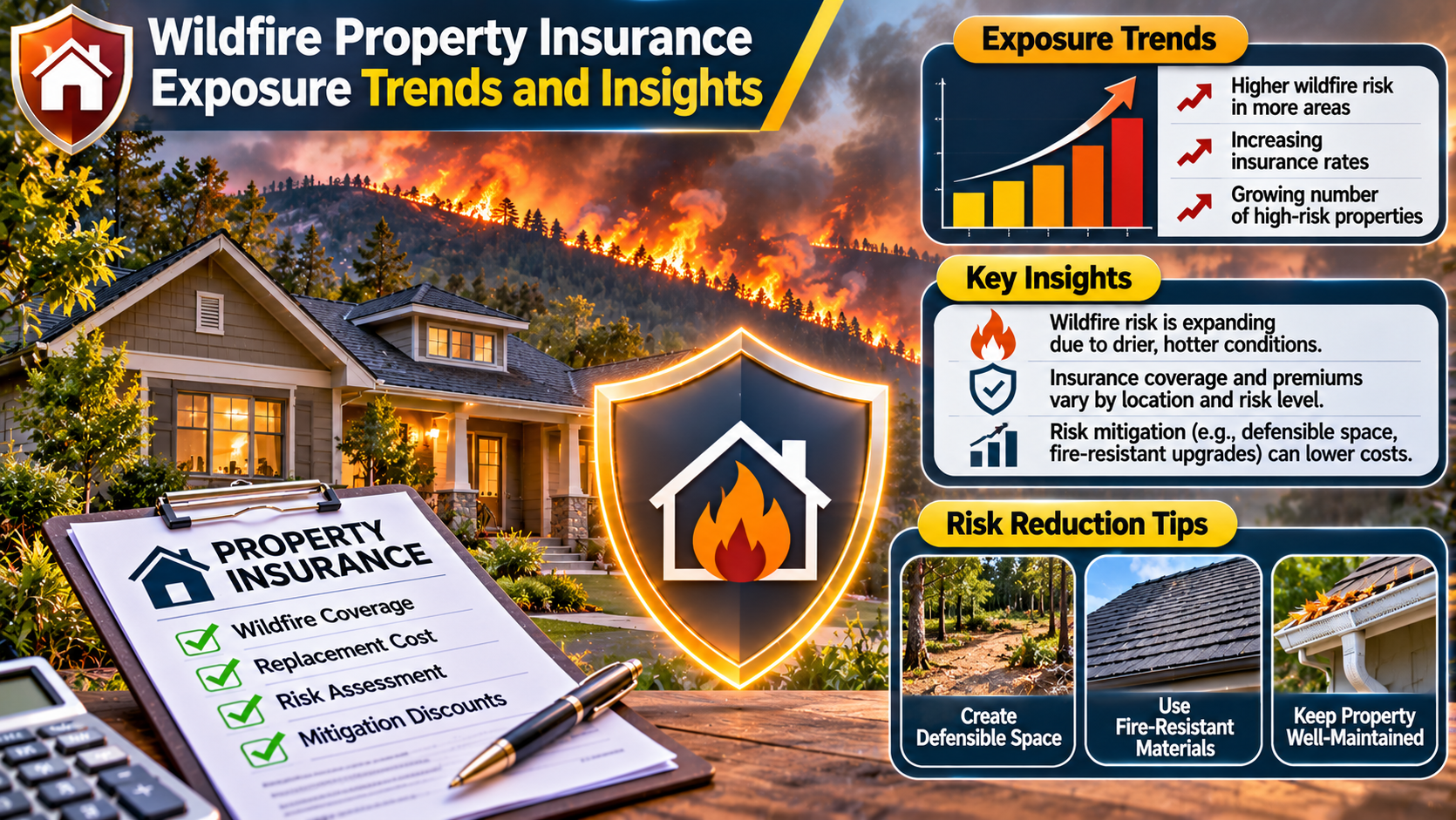
Exploring Wildfire Property Insurance Exposure reveals the growing challenges homeowners face in areas prone to wildfires. With climate change intensifying the frequency and severity of these natural disasters, understanding the implications for property insurance has never been more crucial.
As wildfires become increasingly common in various geographical regions, the landscape of property insurance is evolving. Insurers are adapting their risk assessment methodologies, influenced by new regulations and innovations in mitigation technologies, which together shape the insurance products available to consumers.
Understanding the Current Landscape of Wildfire Property Insurance Exposure
The increasing frequency and intensity of wildfires has significantly impacted the property insurance landscape, particularly in regions that are vulnerable to these natural disasters. As climate change continues to exacerbate weather conditions, understanding the factors at play and their implications on insurance coverage is crucial for property owners, insurers, and policymakers alike.
Several factors contribute to the rise in wildfire incidents, including prolonged drought conditions, rising temperatures, and changing land use patterns. The interplay of these elements has led to an increase in both the number and severity of wildfires, which in turn affects property insurance dynamics. Insurers must adapt to these changes or face rising claims and losses, leading to higher premiums and potentially reduced coverage options for homeowners in high-risk areas.
Geographical Regions Most Affected by Wildfires
Understanding the geographical regions that are most impacted by wildfires can provide valuable insights into risk assessment and insurance coverage. Areas such as California, Oregon, and Washington are known for their susceptibility to wildfires due to a combination of climate, vegetation, and topography.
Recent statistics reveal alarming trends:
- California experienced over 10,000 wildfires in 2020 alone, burning approximately 4.2 million acres of land.
- In 2021, the state of Oregon saw a record number of claims related to wildfire damage, with insured losses exceeding $1 billion.
- The National Interagency Fire Center reported that wildfires in the western United States have increased by over 400% since the 1980s.
The implications of these statistics extend beyond immediate property damage; they can also influence property values in affected regions. Areas prone to wildfires may see a decline in real estate prices as potential buyers become wary of the risks associated with living in high-hazard zones.
The shift in property values can be particularly steep within just a few years following significant wildfire events, leading to long-term economic impacts in the region.
For insurers, the need to reassess risk models and coverage options in these regions is critical. As wildfires become more frequent, underwriting practices must evolve to reflect the changing landscape accurately, ensuring that policyholders are adequately protected while maintaining insurer viability in an increasingly risky environment.
Evaluating the Risk Assessment Process for Wildfire Property Insurance
The assessment of wildfire risks is crucial for insurers when determining appropriate coverage and premiums for property insurance. This process involves a systematic approach, utilizing various methodologies and tools to gauge the potential exposure to wildfires. By thoroughly evaluating these risks, insurers can effectively protect their portfolios while offering clients fair and accurate policy options.
Insurers employ a range of methodologies to assess wildfire risks for properties, which include geographic information system (GIS) mapping, historical data analysis, and predictive modeling. GIS mapping helps visualize areas that are at higher risk based on factors such as vegetation types, slope, and proximity to existing wildfire incidents. Historical data analysis involves reviewing past wildfire occurrences and their impacts on properties to identify patterns and trends. Predictive modeling integrates various data points, using algorithms to forecast potential future wildfire events and their consequences, providing a comprehensive overview of risk.
Key Metrics and Indicators Influencing Underwriting Decisions
Understanding the key metrics and indicators that influence underwriting decisions is essential for evaluating wildfire insurance. These factors can significantly affect the risk profile of a property and the corresponding insurance costs.
Among the critical metrics are:
- Vegetation Density: Properties surrounded by dense vegetation are at heightened risk of wildfire, as the fuel available can facilitate faster spread.
- Topography: The slope of the land can influence fire behavior; fires typically move faster uphill.
- Historical Fire Data: Areas with a history of wildfires indicate an increased likelihood of future incidents, directly impacting underwriting assessments.
- Proximity to Wildland Areas: Properties located near wilderness areas are often considered higher risk due to available fuel sources.
- Weather Patterns: Local climate conditions, including temperature and precipitation levels, can affect the likelihood and intensity of wildfires.
Insurers also consider individual property characteristics, such as building materials and design features. For example, homes constructed with fire-resistant materials may receive better underwriting terms compared to those using traditional wood materials.
Risk Assessment Tools in the Industry
The insurance industry utilizes several specialized tools to evaluate exposure to wildfires effectively. These tools enhance the accuracy of risk assessments, allowing insurers to make informed decisions.
One notable tool is the Fire Risk Assessment Tool (FRAT), which provides a comprehensive analysis of wildfire threats by integrating local data, historical fire activity, and environmental factors. Another essential tool is the Wildfire Risk Score, which assigns a numerical score to properties based on their risk profile, factoring in elements like location, construction materials, and defensible space around the structure.
Additionally, satellite imagery and remote sensing technology are increasingly used to monitor vegetation health and drought conditions, which can serve as early indicators of wildfire risk. This technology enables insurers to stay updated with real-time data, facilitating proactive risk management strategies.
By employing these methodologies, metrics, and tools, insurers can robustly evaluate wildfire property insurance risks, leading to more accurate pricing and coverage options tailored to individual property needs.
The Role of Government Regulations in Wildfire Property Insurance
Government regulations play a pivotal role in shaping the landscape of wildfire property insurance, impacting both its availability and pricing. These regulations can dictate how insurers assess risks, which ultimately affects policyholders’ access to affordable coverage. The intertwining of local and federal regulations creates a framework that influences everything from underwriting practices to claims processing, ensuring that both consumers and insurers navigate the challenges posed by the increasing frequency of wildfires.
Local and federal regulations significantly affect wildfire insurance by establishing guidelines that insurance companies must follow. For instance, states prone to wildfires often implement stricter building codes and land-use policies designed to mitigate fire risks. These regulations can lead to varied pricing structures for insurance premiums, as insurers factor in compliance with these laws when assessing risk. Moreover, federal initiatives, such as the Federal Insurance Administration’s support for risk assessment technology, can enhance data availability for insurers, thus influencing pricing strategies across the board.
Recent Legislative Changes Impacting Wildfire Insurance
Recent legislative changes have significantly impacted wildfire insurance policies, reflecting growing concerns about climate change and its effects on property risk assessments. For example, legislative moves to enhance fire safety standards and incentivize community resilience efforts have emerged as critical developments. These changes not only aim to protect property but also seek to stabilize the insurance market.
Recent noteworthy legislative measures include:
- California’s SB 824, which requires insurance companies to provide clearer disclosures regarding wildfire risks and mitigation measures, fostering transparency for consumers.
- Colorado’s new laws aimed at improving fire mitigation practices in high-risk areas, seeking to lower insurance costs by promoting proactive risk management.
- Federal funding initiatives that support fire prevention and preparedness programs, which can influence long-term insurance premiums by reducing overall risks associated with wildfires.
Such legislative efforts underscore the importance of government intervention in building a resilient framework for wildfire insurance, potentially leading to enhanced market stability.
Market Dynamics Altered by Government Intervention
Government intervention can dramatically reshape market dynamics for property insurance associated with wildfires. By introducing regulations that promote risk mitigation and responsible land use, authorities can incentivize insurers to offer more favorable terms to property owners who adhere to these standards. This proactive approach not only benefits consumers through potentially lower premiums but also encourages a culture of prevention and preparedness.
Significant impacts of government action include:
- Enhanced risk assessment models, improving accuracy in pricing and coverage availability.
- Creation of state-backed insurance programs designed to cover high-risk properties that the private market may overlook.
- Implementation of community-wide fire prevention initiatives that reduce overall risk, benefitting both insurers and homeowners alike.
The balance between regulation and market freedom remains crucial, as overregulation could stifle market competition, while insufficient oversight might lead to inadequate coverage and heightened exposure for consumers.
Consumer Awareness and Education on Wildfire Insurance Products
Consumer education regarding wildfire insurance is paramount in today’s climate, where the frequency and intensity of wildfires are increasing. Homeowners must understand their options and the importance of having adequate coverage to protect their properties and financial investments. With effective knowledge, consumers can make informed decisions that suit their unique circumstances and needs.
Understanding wildfire insurance options is essential as they can differ significantly from standard homeowners’ insurance. Many homeowners mistakenly believe that their existing homeowners’ policy covers wildfire damage, which is not always the case. Wildfire-specific policies or endorsements may be required to ensure comprehensive coverage. It’s critical that consumers recognize the distinct features of these products, including coverage limits, deductibles, and exclusions.
Common Misconceptions About Wildfire Insurance
There are several misconceptions that can lead homeowners to misjudge their need for wildfire insurance. Recognizing these misconceptions can help in making informed decisions regarding fire protection.
- Homeowners insurance covers all wildfire damage: Many people believe that standard homeowners insurance will fully cover damages from wildfires. However, this is not always accurate, as specific policies may exclude wildfire damage.
- Wildfire insurance is only for those in high-risk areas: While homeowners in high-risk zones certainly need wildfire insurance, those in lower-risk areas can also benefit from having coverage. Increased temperatures and changing weather patterns mean that even previously safe areas may be at risk.
- Wildfire insurance is too expensive: The costs associated with wildfire insurance can vary widely based on location, property value, and coverage options. Some policies may be more affordable than expected, especially when considering the potential financial loss without coverage.
Understanding these misconceptions can empower homeowners to seek the necessary coverage and not underestimate their risk.
Strategies for Homeowners to Manage Wildfire Insurance Needs
Homeowners can take proactive steps to understand and manage their wildfire insurance needs effectively. Awareness of the complexities surrounding wildfire insurance can lead to better protection for their properties.
It is beneficial for homeowners to conduct a thorough risk assessment of their property. This means evaluating the surrounding environment, vegetation, and proximity to wildfire-prone areas.
Additionally, homeowners should actively engage with insurance professionals to review their current policies. This allows for the identification of gaps in coverage and the opportunity to explore additional wildfire insurance options.
To further enhance their understanding, homeowners can consider the following strategies:
- Attend local workshops or seminars focused on wildfire safety and insurance options to gain insights from experts.
- Read informational materials provided by insurance companies, which often include guidelines on understanding coverage and risk management.
- Utilize online resources or forums to connect with other homeowners experiencing similar concerns, sharing experiences and advice.
By employing these strategies, homeowners can increase their awareness of wildfire insurance and ensure that they are adequately prepared for potential threats.
Innovations in Wildfire Mitigation and Their Influence on Insurance Policies
Wildfires have become a significant concern for property owners, insurers, and emergency services alike, prompting a surge in innovative measures aimed at reducing fire risks. As technology advances, so do the strategies for mitigating wildfire damage, which can directly influence insurance pricing and policy offerings. Insurers are increasingly recognizing that by investing in fire-resistant technologies and practices, property owners can minimize their exposure to risk, leading to potential savings on premiums.
Recent innovations in wildfire mitigation include advanced fire detection systems, the use of fire-resistant building materials, and the implementation of defensible space practices around properties. These technologies and practices not only enhance safety but also play a crucial role in determining insurance costs. Insurers are analyzing these advancements to better assess risk profiles and adjust premiums accordingly.
Innovative Wildfire Mitigation Techniques
The following techniques represent some of the most effective innovations in wildfire mitigation. Understanding these can help property owners make informed decisions about their risk management strategies and the potential impacts on their insurance premiums:
| Mitigation Technique | Description | Potential Impact on Insurance Premiums |
|---|---|---|
| Fire-Resistant Building Materials | Using materials such as stucco, brick, or metal that can withstand high temperatures and flames. | May lead to lower premiums due to reduced fire risk. |
| Defensible Space Creation | Maintaining a buffer zone around properties by clearing vegetation and creating breaks in fuel continuity. | Can significantly decrease insurance costs through lower risk assessments. |
| Fire Detection Systems | Advanced sensor technologies that detect fires early, alerting homeowners and authorities. | Potential discounts for proactive fire monitoring systems. |
| Firebreak Construction | Creating barriers devoid of vegetation to slow or stop the spread of fire. | Can influence favorable premium adjustments, depending on the effectiveness. |
| Community Wildfire Defense Plans | Collaborative efforts among local residents to develop strategies for wildfire preparedness and response. | Insurance companies may offer incentives for communities with robust plans. |
Implementing these wildfire mitigation techniques not only enhances the safety of properties but also influences how insurers assess risk. Insurers are increasingly incentivizing property owners through discounts and policy adjustments for adopting these fire-resistant measures. As the landscape of wildfire mitigation continues to evolve, property owners who invest in prevention strategies will likely see tangible benefits reflected in their insurance premiums.
Analyzing Case Studies of Wildfire Insurance Claims
The impact of wildfires on communities has been devastating, and understanding insurance claims related to these disasters is crucial for both policyholders and insurers. Examining real-life case studies provides insight into the complexities of the claims process and highlights the challenges faced by individuals affected by wildfire events. By analyzing these cases, patterns can emerge that inform future insurance practices and enhance preparedness.
Real-Life Examples of Wildfire Insurance Claims
Several notable cases illustrate the difficulties and processes involved in filing wildfire insurance claims. For instance, during the 2018 Camp Fire in California, thousands of claims were filed, revealing both the urgent need for support and the complexities of navigating the claims process. Many homeowners reported delays in claim processing, often due to the volume of claims received by insurance companies. This particular case highlighted the necessity for insurers to improve their response times during catastrophic events.
Another significant example occurred in the 2020 Colorado wildfires, where numerous policyholders faced challenges in proving the value of their damaged property. Insurers required extensive documentation to process claims, leading to frustration among homeowners who were often in distress. This experience underscores the importance of maintaining thorough records and inventories of belongings before a disaster strikes.
Challenges Faced by Policyholders When Filing Claims
The aftermath of a wildfire can be overwhelming, and policyholders encounter several challenges when filing insurance claims. Common difficulties include:
- Documentation Requirements: Insurers often require detailed records of property value and contents, which can be difficult to compile after a wildfire.
- Claim Denials or Underpayments: Some policyholders may experience unexpected denials or insufficient compensation, which can complicate recovery efforts.
- Insufficient Coverage: Many homeowners discover that their policies do not cover the full extent of damages, often due to inadequate understanding of policy terms prior to the disaster.
- Delayed Response Times: High volumes of claims can lead to significant delays in processing, causing additional stress for those affected.
These challenges emphasize the need for clear communication between insurers and policyholders, especially in the wake of such traumatic events.
Patterns and Trends in Wildfire Claims
Analyzing claims data reveals several patterns that can inform best practices for future wildfire insurance. One significant trend is the increasing frequency of catastrophic wildfires, leading to higher claim volumes and costs. Insurers are adapting by revising policy terms and increasing premiums, indicating a shift in risk assessment.
Additionally, claims data indicates a growing importance of wildfire mitigation measures. Policyholders who invest in fire-resistant materials and landscaping often see fewer claims or higher compensation rates. This trend suggests that insurers may increasingly consider proactive measures as a factor in underwriting and pricing.
“The rise in wildfire incidents necessitates a reevaluation of insurance practices to ensure that both policyholders and insurers are adequately prepared.”
By recognizing these patterns, insurers can develop more effective responses to future wildfire events, benefiting both their organizations and the communities they serve.
The Future Outlook for Wildfire Property Insurance Markets
The future of wildfire property insurance markets is increasingly intertwined with the impacts of climate change. As temperatures rise and natural disasters become more frequent, the insurance industry must adapt to these evolving risks to protect homeowners and businesses alike. This section explores the predictions for wildfire insurance markets and the innovations that may emerge in response to changing environmental conditions.
Climate change is expected to significantly influence the frequency and intensity of wildfires across various regions, leading insurers to reassess their risk models. A study conducted by the National Interagency Fire Center indicated a nearly doubling of the area burned by wildfires in the last 30 years. This trend suggests that insurers will need to incorporate more granular climate data into their pricing models and risk evaluations. The increasing unpredictability of wildfire events will likely prompt companies to raise premiums or restrict coverage in high-risk areas.
New Insurance Products Tailored to Wildfire Risks
As the wildfire threat escalates, there is a growing potential for the development of innovative insurance products that specifically address wildfire risks. Traditional fire insurance policies may become inadequate in covering the extensive damages caused by wildfires, leading to the introduction of specialized products.
For instance, policies that include coverage for mitigation efforts, such as fire-resistant landscaping and home hardening, are likely to gain traction. Insurers may offer discounts for homeowners who invest in preventive measures, encouraging risk reduction while providing financial incentives. Additionally, parametric insurance products—those that pay out based on the occurrence of a predefined event rather than actual damages—could be developed for wildfires. This model offers quicker payouts to policyholders, helping them recover more rapidly from losses.
The market demands shifting consumer behaviors as homeowners become more aware of their wildfire exposure. A survey by the Insurance Information Institute found that 70% of homeowners in fire-prone areas are considering additional coverage options, highlighting a growing awareness of risk management. This behavioral shift will drive insurers to create tailored products that not only cover damages but also promote proactive risk mitigation strategies.
In summary, the future of wildfire property insurance is marked by the necessity for adaptation and innovation in response to the evolving threats posed by climate change. The industry’s response will be crucial in ensuring that homeowners are adequately protected while also encouraging responsible risk management practices.
Outcome Summary
In conclusion, navigating the complexities of Wildfire Property Insurance Exposure requires awareness and proactive measures from homeowners. As policies adapt to new challenges, staying informed about risks and mitigation options is essential for safeguarding properties against future wildfire incidents.
User Queries
What should homeowners know about wildfire insurance?
Homeowners should understand their coverage limits, the specific risks associated with their properties, and the importance of regular policy reviews to ensure adequate protection.
How can I reduce my wildfire insurance premiums?
Implementing fire-resistant modifications to your home and landscape, such as using non-flammable materials, can potentially lower your premiums.
Are all areas at risk of wildfires covered by insurance?
No, some high-risk areas may face limited coverage options or higher premiums due to the elevated risk of wildfire occurrences.
What should I do if my property is in a high-risk zone?
Consider discussing mitigation strategies with your insurer and evaluate the adoption of fire-resistant measures to improve your coverage options.
Can I file a claim for wildfire damage if I don’t have dedicated wildfire insurance?
If you have standard homeowners insurance, it may cover some fire damages, but specifics depend on your policy terms. Always check your coverage details.