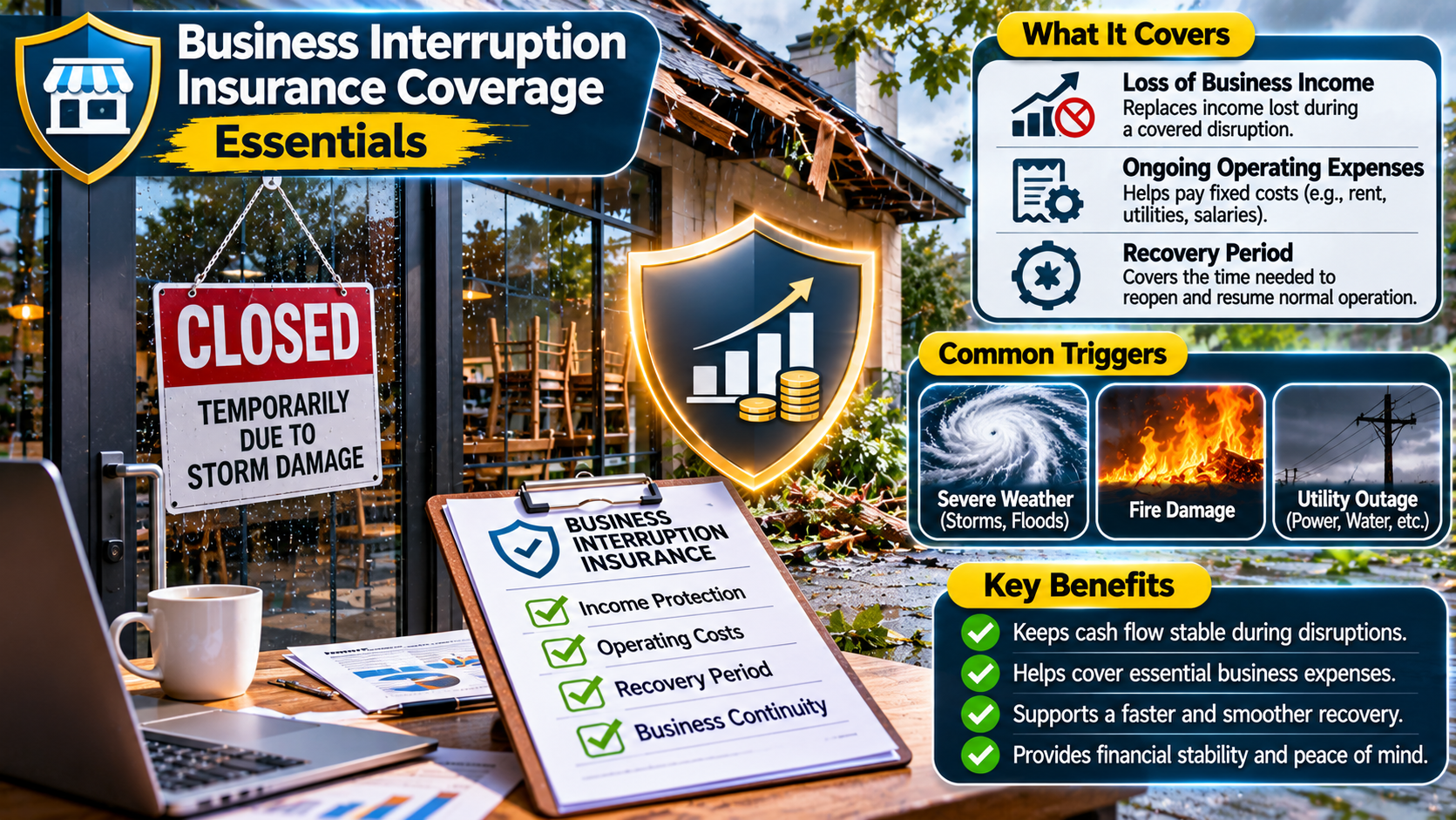
Business Interruption Insurance Coverage serves as a vital safety net for businesses, ensuring that they can withstand unexpected disruptions while maintaining financial stability. In an ever-changing economic landscape, this type of coverage protects against losses incurred during periods of business downtime, whether due to natural disasters, equipment failures, or other unforeseen events.
This insurance is particularly significant for industries heavily reliant on continuous operations, such as hospitality, retail, and manufacturing, where even short interruptions can lead to substantial financial loss. Understanding the intricacies of business interruption insurance can help business owners make informed decisions about their coverage needs.
Understanding the Fundamentals of Business Interruption Insurance Coverage
Business interruption insurance is a critical component for many organizations, ensuring that they can maintain financial stability during unexpected disruptions. This type of coverage safeguards a business’s income during periods when it is unable to operate fully, whether due to physical damage, natural disasters, or other unforeseen events. By understanding the fundamental principles behind business interruption insurance, businesses can better prepare for potential risks, thus enhancing their resilience and operational continuity.
The basic principle of business interruption insurance revolves around the concept of lost income resulting from a disruption to operations. If a business suffers physical damage to its premises, leading to temporary closure, this insurance provides a buffer against the financial fallout. It covers lost revenue, ongoing expenses, and even the costs necessary to resume normal operations. The significance of this coverage cannot be overstated; it helps businesses manage cash flow and uphold their obligations to employees, suppliers, and creditors during challenging times.
Typical Scenarios for Business Interruption Insurance
Many situations can trigger a business interruption claim, each highlighting the importance of having this safety net in place. Common scenarios include:
- Fire Damage: A fire can cause significant physical damage to a business’s premises, leading to temporary closure. Business interruption insurance would cover the lost revenue during the repair period.
- Natural Disasters: Events such as floods, hurricanes, or earthquakes can disrupt operations. This insurance can help businesses recover from the financial impact of these calamities.
- Equipment Failures: Sudden breakdowns of vital machinery can halt operations. Coverage can compensate for lost income while repairs are made.
- Supply Chain Disruptions: Issues like supplier insolvency or transportation strikes can prevent businesses from obtaining necessary materials, leading to financial losses.
Industries that commonly utilize business interruption insurance include:
- Manufacturing: Manufacturers often rely on continuous operations. Any interruption can lead to significant financial losses, making this coverage vital.
- Retail: Retail businesses, particularly those with physical storefronts, face risks from various disruptions that can impact sales.
- Hospitality: Hotels and restaurants are susceptible to events like natural disasters or health crises, making business interruption coverage essential for survival.
- Healthcare: Hospitals and clinics must maintain continuous operations; interruptions can have critical ramifications, thus necessitating this insurance.
“Business interruption insurance is not just an option; it’s a necessity for mitigating financial risks during times of crisis.”
Key Components of Business Interruption Policies
Understanding the essential elements of business interruption insurance is crucial for protecting your business from unexpected disruptions. This type of insurance is designed to cover the income lost during periods when a business cannot operate due to an insured event. Such events may include natural disasters, fires, or other emergencies that cause physical damage to your property, leading to operational downtime. Knowing the key components of these policies helps businesses ensure they have adequate coverage tailored to their needs.
One of the primary elements of business interruption insurance policies is the period of indemnity. This refers to the length of time the insurer will cover lost income after a covered event. Policies typically provide coverage until the business is restored to its normal operation or reaches the maximum period stated in the policy, often ranging from 30 days up to 12 months. Understanding this timeframe is essential for businesses to anticipate their financial situation during the recovery phase.
Essential Elements of Coverage
Several core components are typically included in standard business interruption insurance policies. Familiarity with these components will aid business owners in making informed decisions.
- Business Income Coverage: This covers the net income that the business would have earned had the loss not occurred, including the continuing expenses that must be paid despite the interruption.
- Extra Expense Coverage: This covers additional costs incurred to mitigate the impact of the interruption, such as renting temporary locations or equipment.
- Contingent Business Interruption: This coverage addresses losses that occur due to interruptions at suppliers or customers, impacting your business indirectly.
- Civil Authority Coverage: This provides compensation for losses incurred when a government authority restricts access to your business premises due to a covered event.
Additionally, businesses should be aware of specific coverage limits and exclusions that can affect their claims significantly. Many policies impose coverage limits, which define the maximum amount payable for a claim, and these limits may vary based on the type of coverage chosen. For instance, a policy may include a cap on business income losses while excluding certain types of incidents like pandemics or other civil disturbances.
It’s also common for insurers to have exclusions related to specific causes of loss, such as wear and tear, mechanical breakdowns, or certain natural disasters. Understanding these exclusions is vital for businesses to avoid surprises when filing a claim.
It’s noteworthy that different insurers may offer varying policy structures and terms, leading to notable differences in coverage and premiums. When reviewing different policies, businesses should carefully examine the following aspects:
- Policy Deductibles: The amount you must pay out-of-pocket before your insurance kicks in can vary significantly.
- Coverage Extensions: Some insurers may provide optional coverage enhancements, such as inclusion for loss of goodwill or loss of rents.
- Claims Process: The efficiency of the claims process varies among insurers, impacting how quickly a business can receive compensation.
- Policy Revisions: Regularly reviewing and updating the policy can help ensure it meets the evolving needs of the business.
In summary, recognizing and understanding the crucial components of business interruption insurance policies, including coverage limits and exclusions, as well as variations among insurers, is necessary for businesses to secure effective protection against operational disruptions.
The Claims Process for Business Interruption Insurance
Filing a claim for business interruption insurance can be a complex process that requires careful attention to detail and thorough documentation. Understanding the steps involved can help streamline the experience and facilitate a successful claim. This process typically includes notification to the insurance company, gathering necessary documentation, and negotiating the payout amount.
The initial step in the claims process is to report the claim to your insurance provider as soon as the interruption occurs. This notification often involves filling out a claim form provided by the insurance company, where you will Artikel the nature of the business interruption and any initial damage estimates. Following this, it’s crucial to compile supporting documents that substantiate your claim. This stage necessitates gathering various pieces of evidence to convey the impact on your business effectively.
Documentation and Evidence Required
In order to support your claim effectively, specific documentation and evidence are essential. This documentation validates the extent of your business interruption and helps the insurer understand the financial implications. The following list Artikels the necessary items to include:
- Detailed income statements and profit and loss statements for at least the previous 12 to 24 months.
- Copies of any lease agreements or contracts relevant to your business operations.
- Financial records demonstrating loss of income during the interruption period.
- Invoices, receipts, and other proof of expenses incurred while the business was interrupted.
- Documentation of the cause of the interruption, such as incident reports or photographs of damage.
- Records of any expenses incurred to minimize the impact of the interruption, like relocation costs.
Navigating the claims process can present several challenges for businesses. Common issues include insufficient documentation, misunderstanding of policy coverage, and delays in communication with insurers. To overcome these challenges, businesses should maintain meticulous records throughout the operation and be proactive in confirming the necessary coverage details with their insurance agent. Additionally, engaging with a claims adjuster can help clarify the situation, as they provide insights and can advocate for a smoother claims resolution.
“Proper documentation and clear communication are key to overcoming hurdles in the claims process.”
Evaluating the Adequacy of Business Interruption Coverage
Assessing the adequacy of business interruption insurance coverage is crucial for ensuring that enterprises can sustain operations during unforeseen disruptions. A well-calibrated policy can mean the difference between a quick recovery and significant financial setbacks. Businesses need to take a proactive role in understanding their coverage limits, potential financial losses, and the risks specific to their operations.
To evaluate whether business interruption insurance is sufficient, companies can employ several methods for calculating potential losses and determining appropriate coverage amounts. A fundamental approach is to conduct a thorough analysis of the business’s revenue streams, fixed expenses, and operational costs. This involves reviewing historical financial data to estimate how long the business could operate without generating income during a disruption.
Methods for Calculating Potential Losses
Understanding potential losses requires a clear methodology. Businesses can begin by calculating their average monthly revenue and identifying fixed costs that will continue during a shutdown, such as rent and utilities. It is also helpful to consider variable costs that may decrease or cease altogether during a disruption.
One effective method for loss estimation is the Business Income Worksheet, which allows businesses to itemize their income and expenses. Additionally, businesses can leverage scenario analysis to estimate losses from various types of interruptions, taking into account different durations of downtime.
Another essential tool in this evaluation is the Risk Assessment Matrix, which helps identify and evaluate risks associated with specific business operations. This matrix can classify risks based on their likelihood and potential impact, thereby guiding businesses in prioritizing their insurance coverage needs.
For practical illustration, consider a retail business that generates $100,000 in monthly revenue. If a natural disaster leads to a shutdown for three months, the potential loss could be calculated as follows:
Potential Loss = Average Monthly Revenue x Estimated Duration of Interruption
Potential Loss = $100,000 x 3 = $300,000
This calculation highlights the importance of ensuring that business interruption coverage aligns with potential losses. Moreover, businesses can also consult with financial professionals or insurance agents who can provide tailored guidance and help them understand policy nuances and exclusions that might impact coverage adequacy.
Utilizing these methods and tools enables businesses to create a robust strategy to safeguard against potential disruptions effectively, ensuring they maintain financial stability in challenging times.
The Impact of Recent Events on Business Interruption Insurance
The landscape of business interruption insurance has dramatically shifted in response to global events. Recent occurrences, such as the COVID-19 pandemic and various natural disasters, have underscored the vulnerabilities businesses face during unexpected interruptions. These events have prompted insurers to reevaluate coverage terms and have heightened awareness among policyholders regarding the importance of robust interruption insurance.
The COVID-19 pandemic brought unprecedented challenges to businesses, leading to widespread disruptions. Many companies that believed they were adequately covered faced difficulties securing compensation due to ambiguous policy language regarding pandemics. Insurers began to scrutinize claims more closely, which resulted in numerous legal disputes. As a response to these challenges, businesses are now prioritizing comprehensive coverage that specifically addresses the realities of pandemics, while insurers are revisiting their risk assessment models and policy exclusions.
Emerging Trends in Business Interruption Insurance
The recent global events have catalyzed several emerging trends in business interruption insurance. These trends include:
- Increased Demand for Pandemic Coverage: Businesses are actively seeking policies that explicitly include pandemic-related interruptions. This shift is driving insurers to create new products that cater to this need.
- Enhanced Risk Assessment: Insurers are leveraging advanced data analytics and modeling to assess risks more accurately. This includes evaluating business operations and supply chains to tailor coverage more effectively.
- Greater Flexibility in Policies: Insurers are increasingly offering customizable policies that allow businesses to add specific coverages based on their unique exposure to disruptions.
- Focus on Business Continuity Planning: Businesses are recognizing the importance of having comprehensive business continuity plans. Insurers are encouraging policyholders to develop robust strategies to mitigate risk and reduce potential losses.
- Incorporation of Environmental Risks: Natural disasters such as hurricanes, wildfires, and floods have prompted insurers to broaden their definitions of business interruptions to include climate-related events, pushing businesses to secure coverage for these risks.
These trends reflect a significant shift in how businesses and insurers approach risk management. Companies are now more proactive in evaluating potential vulnerabilities, ensuring that their business interruption policies are aligned with the realities of a changing world. This transition not only enhances their preparedness for future interruptions but also illustrates a broader transformation in the insurance industry, driven by the lessons learned from recent global events.
“Businesses are encouraged to develop robust strategies to mitigate risk and reduce potential losses.”
Future Trends in Business Interruption Insurance
As the business landscape evolves, so too does the need for comprehensive protection against unforeseen interruptions. Business Interruption Insurance (BII) is adapting to reflect the growing complexities that organizations face today. This evolution is driven by various factors including advancements in technology, changing customer expectations, and the increasing frequency of disruptive events. Understanding these trends can help businesses stay ahead and ensure they have the right coverage in place.
One significant development in the future of business interruption insurance is the shift from traditional coverage models to more innovative options tailored to modern business needs. Traditional BII policies often provided coverage for physical damage to property, typically linked to specific perils such as fire, theft, or natural disasters. However, as businesses increasingly rely on digital infrastructure and remote operations, coverage models are expanding to encompass non-physical damage, such as cyber-attacks and supply chain disruptions.
Emerging Coverage Models and Technology Integration
The integration of technology is reshaping how insurers assess risk and develop policies. Advanced data analytics and artificial intelligence (AI) are playing pivotal roles in this transformation. Insurers are beginning to leverage predictive analytics to evaluate potential risks and tailor coverage more effectively. For instance, real-time data can be used to identify vulnerabilities in supply chains, allowing insurers to offer bespoke policies that address specific business operations.
Moreover, innovative insurance platforms are emerging that provide on-demand coverage. These platforms allow businesses to purchase insurance as needed, offering flexibility that traditional policies lack. Businesses can activate coverage for specific periods or projects, providing a more cost-effective solution that aligns with fluctuating operational needs. This approach is particularly beneficial for small and medium-sized enterprises (SMEs) that may not require year-round coverage.
In addition, the rise of parametric insurance—a model that pays out based on predefined triggers rather than actual losses—merits attention. For example, if a business’s operational downtime exceeds a specific threshold due to a natural disaster, the insurer triggers an automatic payout. This model reduces the lengthy claims process, allowing businesses to receive funds quickly and mitigate losses more effectively.
“The future of Business Interruption Insurance lies in embracing technology to create more adaptable and responsive coverage.”
As we look ahead, the role of technology in business interruption insurance will likely expand further. The growing prevalence of IoT (Internet of Things) devices in business operations can provide real-time monitoring and data collection. This capability not only enhances risk assessment but also equips businesses with the insights needed to implement preventative measures. Ultimately, the future of BII is not just about protecting against losses but proactively managing risks through technology and innovative coverage models.
The Role of Professional Guidance in Securing Appropriate Coverage
Selecting the right business interruption insurance coverage can be a complex process, with numerous factors to consider. Engaging with insurance brokers or risk management professionals can streamline this process significantly. These experts possess valuable insights into the intricacies of business interruption insurance, which can help businesses mitigate risks effectively while ensuring they have the coverage they truly need.
Consulting with experienced professionals offers several key advantages. First, they have a comprehensive understanding of the various policy options available and can tailor recommendations based on the specific needs of the business. For example, a risk management professional might identify unique operational vulnerabilities that a business owner may overlook, ensuring that the policy addresses all potential risks comprehensively. Additionally, they stay updated on industry trends and regulatory changes, enabling them to offer timely advice that can make a considerable difference in coverage decisions.
Tips for Selecting an Experienced Professional
Finding the right insurance broker or risk management expert is crucial for navigating the complexities of business interruption coverage. Here are essential tips for selecting a qualified professional:
– Look for professionals with specialized experience in business interruption insurance. They should have a proven track record of working with businesses of similar size and industry.
– Check credentials and licensing to ensure they are qualified to provide insurance advice in your jurisdiction. This may include certifications from recognized bodies such as the Chartered Property Casualty Underwriter (CPCU) or the Associate in Risk Management (ARM).
– Seek referrals from other business owners or industry associations that can vouch for the expertise of the professional you are considering.
Checklist for Professional Consultation
Before engaging with an insurance broker or risk management expert, businesses should prepare a list of questions to ensure they understand their insurance needs comprehensively. This checklist should include:
– What experience do you have with businesses in my industry regarding business interruption insurance?
– Can you provide examples of how you have helped clients secure appropriate coverage?
– What specific factors do you consider when assessing my business’s risk profile?
– How often will you review my policy to ensure it remains suitable as my business grows or changes?
– What claims support do you offer if I need to file a business interruption claim?
– Are there any exclusions in the policy that I should be aware of?
– How do you stay updated on changes within the industry that may impact my coverage?
By leveraging professional expertise and asking relevant questions, businesses can make informed decisions about their insurance coverage, ensuring they are adequately protected against potential disruptions.
Summary
In conclusion, Business Interruption Insurance Coverage is more than just a policy; it’s a critical component of a business’s risk management strategy. By understanding its fundamentals, key components, and the claims process, businesses can better prepare for unexpected events and ensure their operations remain resilient. As the landscape of risk continues to evolve, staying informed and adequately covered is essential for any business looking to thrive in today’s environment.
Questions Often Asked
What is business interruption insurance?
Business interruption insurance protects businesses from income loss due to disruptions, covering fixed expenses and lost profits during downtime.
Who needs business interruption insurance?
Any business that relies on a physical location or specific operational processes should consider this insurance, especially those in high-risk industries.
How is the coverage amount determined?
The coverage amount is typically based on the business’s historical earnings, projected future income, and expenses needed to maintain operations during a shutdown.
Are there exclusions in business interruption policies?
Yes, typical exclusions may include losses due to wear and tear, certain types of natural disasters, or events that are not directly covered by the underlying property insurance.
How does the claims process work?
The claims process involves notifying the insurer, providing documentation of the loss, and demonstrating the impact on business operations and finances.