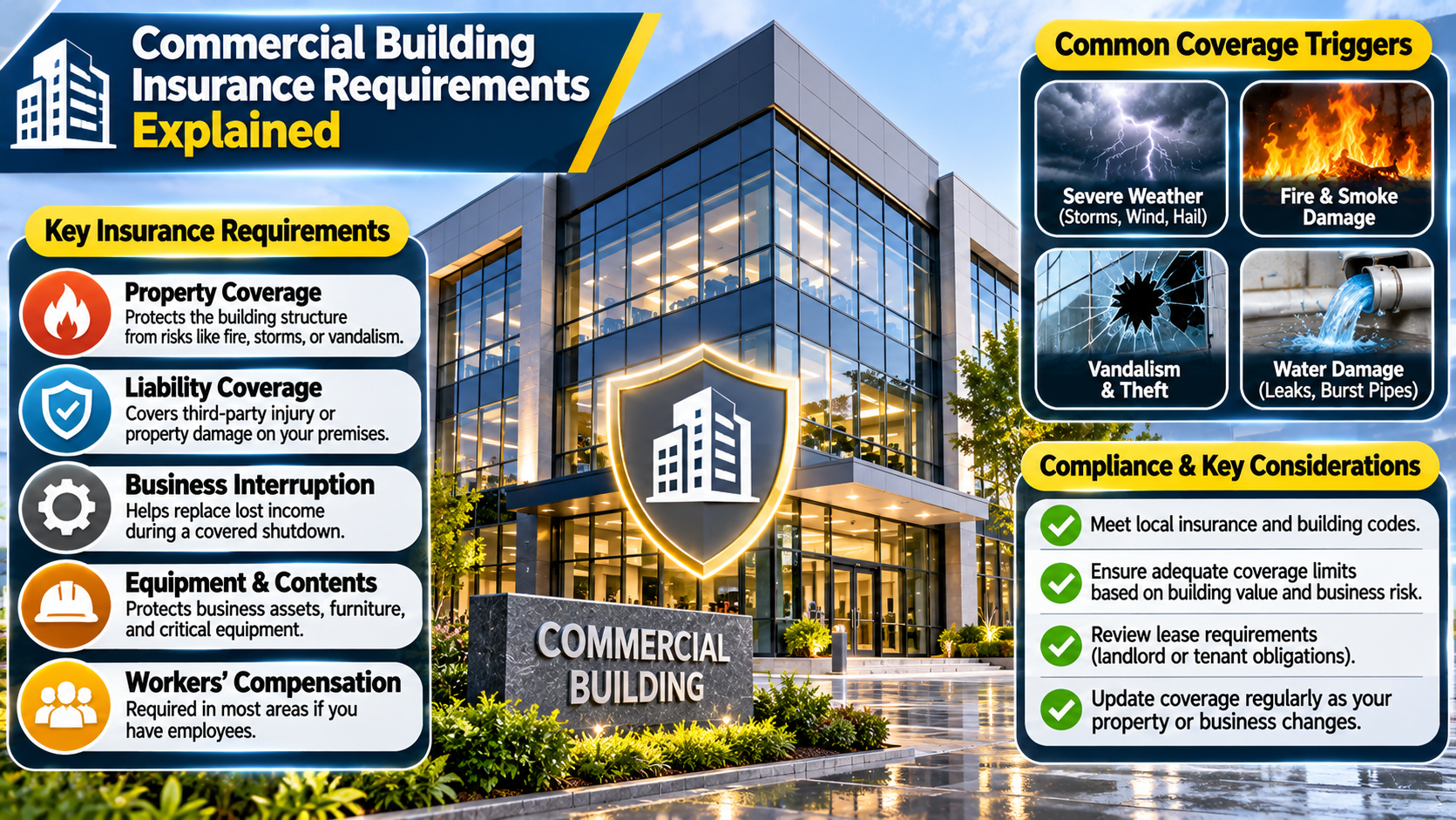
Commercial Building Insurance Requirements sets the stage for an essential understanding of how businesses can protect their properties and investments. As various commercial properties face unique risks, having the right insurance coverage is crucial to ensuring their longevity and success. This guide delves into the specifics of what businesses need to consider when navigating the complexities of commercial building insurance.
From understanding basic concepts to evaluating state-specific regulations, recognizing needed coverage types, and knowing how to manage claims, this comprehensive discussion highlights the importance of being well-informed in the realm of commercial building insurance.
Understanding the Basics of Commercial Building Insurance Requirements
Commercial building insurance serves as a protective measure for businesses against a wide array of risks associated with owning or leasing commercial properties. Understanding the foundational concepts of this insurance is crucial for business owners and property managers alike. It not only secures assets but also plays a pivotal role in maintaining operational stability. This form of insurance encompasses various elements that help define the specific requirements needed to safeguard commercial properties effectively.
Commercial properties that typically require insurance coverage include office buildings, retail spaces, warehouses, and industrial facilities. The absence of adequate coverage can lead to significant financial losses in the event of damage or liability claims. For instance, a fire in a warehouse could result in the complete loss of inventory, which could be devastating for a small business without insurance. Furthermore, property owners can face legal liabilities if someone is injured on their premises, underscoring the need for comprehensive coverage.
Key Terminology in Commercial Building Insurance
Understanding the terminology used in commercial building insurance is essential for grasping the intricacies of policies and coverage options. Familiarity with these terms assists in making informed decisions regarding insurance needs.
- Replacement Cost: This refers to the amount it would take to replace property with new property of similar kind and quality, without deducting for depreciation.
- Actual Cash Value (ACV): This is the replacement cost minus depreciation. It is often less favorable for policyholders as it reflects the property’s current market value.
- Liability Coverage: This protects property owners from legal claims resulting from injuries or damages that occur on their property.
- Deductible: The amount the policyholder must pay out of pocket before the insurance coverage kicks in. A higher deductible usually results in lower premiums.
- Exclusions: Specific situations or damages that are not covered by the insurance policy, which can include natural disasters unless additional coverage is purchased.
- Policy Limit: This is the maximum amount an insurer will pay for a covered loss, which can vary depending on the terms of the policy.
Understanding these key terms provides clarity and simplifies the process of evaluating different insurance options for commercial buildings, ensuring that business owners choose the right coverage to meet their needs.
Identifying Necessary Coverage Types for Commercial Properties
When it comes to commercial building insurance, identifying the right coverage types is crucial for protecting your investment and ensuring the continuity of your business operations. Each business model has distinct needs that can heavily influence the types of insurance required. Having a grasp on the available coverage types is essential for making informed decisions that safeguard your property and assets.
Commercial building insurance encompasses various coverage types that cater to different scenarios and risks faced by businesses. The most critical types of coverage will vary based on the nature of the business, its location, and the specific challenges it may encounter. Understanding these coverage options can help business owners assess their unique needs and determine which policies are essential for their operations.
Types of Coverage Available
It is important to understand the types of coverage available under commercial building insurance. Below is a detailed table that Artikels each type of coverage, along with brief descriptions and examples of scenarios where they apply.
| Coverage Type | Description | Example Scenarios |
|---|---|---|
| Property Damage Coverage | Covers physical damage to the building and its contents due to events like fire, theft, or natural disasters. | A fire in the warehouse causes damage to the structure and inventory. |
| General Liability Coverage | Protects against claims of bodily injury or property damage that occur on business premises. | A customer slips and falls in the store, resulting in injury and a lawsuit. |
| Business Interruption Coverage | Compensates for lost income and operating expenses during periods when the business is unable to operate due to covered events. | A hurricane damages the building, forcing temporary closure and resulting in loss of revenue. |
| Equipment Breakdown Coverage | Covers the repair or replacement of machinery and equipment that breaks down due to mechanical failure. | A commercial refrigerator fails, leading to spoiled goods and financial loss. |
| Workers’ Compensation Coverage | Provides wage replacement and medical benefits to employees injured in the course of employment. | An employee injures their back while lifting heavy materials and requires medical treatment. |
| Commercial Auto Coverage | Covers vehicles owned by the business for accidents, damage, and liability while on business-related activities. | A delivery truck gets into an accident while transporting goods to a client. |
To assess their unique insurance needs, businesses should conduct a thorough evaluation of their operations, risks, and potential liabilities. This assessment can involve reviewing past incidents, understanding the specific risks associated with their industry, and consulting with insurance professionals. By taking these steps, businesses can create a tailored insurance portfolio that provides the necessary protections, ensuring they can withstand unexpected challenges and continue to thrive in their respective markets.
Evaluating State-Specific Insurance Requirements for Commercial Buildings
Understanding the nuances of commercial building insurance requirements is essential for property owners and managers. Given that regulations can fluctuate greatly from state to state, it is crucial to familiarize oneself with local laws to ensure compliance and mitigate risks. Each state may have unique stipulations that could affect the types and amounts of insurance coverage required for commercial properties, making thorough research and evaluation paramount.
Insurance requirements can vary significantly across different states, influenced by local legislation, economic conditions, and specific risks associated with the region. For example, states prone to natural disasters may mandate higher coverage limits for property damage, while others may focus on liability protections. Therefore, understanding these variances is not just about legal compliance; it also affects the financial stability and risk management strategies of a business.
Key State Agencies and Resources
Several state agencies and resources are dedicated to providing information on commercial insurance requirements. These agencies often serve as regulatory bodies and can offer guidance on compliance and best practices. Recognizing where to find reliable information is crucial for navigating the complexities of state-specific insurance regulations. Here are some key resources:
- State Departments of Insurance: Most states have a department dedicated to insurance regulation, which provides resources and information on local statutory requirements, coverage options, and filing processes.
- Commercial Insurance Associations: Organizations like the National Association of Insurance Commissioners (NAIC) offer insights into industry trends and state-specific regulations.
- Local Chambers of Commerce: These entities often have resources for local businesses, including information about compliance with insurance requirements.
- Legal Advisors and Insurance Brokers: Consulting with professionals who specialize in commercial insurance can provide tailored advice based on the state’s unique requirements.
Failing to comply with state-specific regulations can have serious consequences, including hefty fines, increased insurance premiums, and even potential legal action. Non-compliance may result in a lack of coverage in case of a claim, exposing the business to significant financial risk. To avoid these pitfalls, business owners should consider the following strategies:
- Regular Review of Policies: Periodically review insurance policies to ensure they meet the latest state regulations and adjust coverage as necessary.
- Stay Informed: Keep updated with changes in state laws by subscribing to newsletters from relevant agencies or industry associations.
- Engage Professionals: Work with qualified insurance agents or legal experts who can navigate the complex regulatory landscape and ensure compliance.
“Understanding local regulations is not just a legal obligation; it is a vital part of safeguarding your business assets.”
Key Factors Influencing Commercial Building Insurance Premiums
When it comes to commercial building insurance, several key factors play a significant role in determining the premiums that property owners must pay. Understanding these variables can help businesses make informed decisions about their insurance coverage and costs. Factors such as location, property value, and security features all contribute to the overall risk profile of a property, which insurers evaluate when setting premium rates.
The location of a commercial building is perhaps one of the most influential factors affecting insurance premiums. Properties situated in areas prone to natural disasters, such as floods, earthquakes, or hurricanes, often face higher premiums due to the increased risk of damage. Additionally, urban areas with higher crime rates may also lead to increased costs for insurance. Property value is another critical consideration; as the value of the building increases, so does the potential payout for insurers in the event of a claim. Consequently, higher-valued properties typically command higher premiums. Security features such as alarm systems, surveillance cameras, and secure access points can mitigate risks and possibly lead to lower premiums, as insurers may view these enhancements favorably.
Comparative Analysis of Premium Rates Across Industries
Different industries face varying inherent risks, which can significantly impact their insurance premiums. A thorough understanding of these variations is crucial for property owners when evaluating their insurance options.
For instance, the following industries typically encounter different premium rates based on their associated risks:
- Manufacturing: Often requires higher premiums due to equipment breakdown and worker safety concerns.
- Retail: Businesses in busy retail areas may face higher premiums due to theft and liability risks, especially if they deal with high-value merchandise.
- Healthcare: Facilities like hospitals and clinics often have elevated premiums due to liability exposures and regulatory requirements.
- Hospitality: Hotels and restaurants face unique risks, including guest injuries and potential property damage, resulting in higher insurance costs.
Understanding these variables can enable property owners to assess their specific risk exposures and choose appropriate coverage that reflects their industry’s needs.
Strategies for Lowering Insurance Costs
Property owners can implement several strategies to help reduce their insurance premiums while maintaining quality coverage. These strategies focus on risk management and enhancing property security, which can make a property less appealing to insurers.
1. Invest in Security Systems: Implementing advanced security measures, such as surveillance cameras and alarm systems, can lower the risk of theft or vandalism, encouraging insurers to offer reduced rates.
2. Regular Maintenance: Keeping the property well-maintained, including fire safety systems and plumbing, can prevent claims and demonstrate to insurers a commitment to risk management.
3. Bundle Insurance Policies: Purchasing multiple insurance policies from the same provider often leads to discounts, helping to lower overall costs.
4. Review Deductibles: Increasing the deductible can lower premium costs, but property owners should ensure they can comfortably cover the higher out-of-pocket expenses in case of a claim.
5. Engage in Loss Prevention Programs: Participating in loss control programs can provide businesses with insights on minimizing risks, which could lead to discounts on premiums.
By focusing on these strategies, property owners can effectively manage their insurance costs while ensuring they have the necessary coverage to protect their investments.
The Role of Risk Assessment in Commercial Building Insurance
Conducting a thorough risk assessment is a critical step in obtaining commercial building insurance. It helps businesses identify potential hazards and vulnerabilities that could impact their property and operations. Understanding these risks is essential for tailoring insurance coverage to meet specific needs and ensuring adequate financial protection against unforeseen events.
A comprehensive risk assessment evaluates various factors such as location, building structure, occupancy, and operational activities. This process not only helps in determining the level of coverage required but also influences the premium rates and conditions of the insurance policy. By understanding their unique risk landscape, businesses can make informed decisions when selecting insurance options that align with their risk profile.
Step-by-Step Guide to Performing Risk Assessments
An effective risk assessment involves a systematic approach. Below are the essential steps businesses should follow to conduct a thorough assessment:
1. Identify Risks: Start by listing all potential risks associated with the commercial building. Consider natural disasters, fire hazards, theft, liability issues, and other operational risks.
2. Analyze Risks: Evaluate the likelihood of each risk occurring and the potential impact on the business. This can involve historical data analysis, industry benchmarks, and expert consultations.
3. Prioritize Risks: Rank the identified risks based on their severity and likelihood. This prioritization helps in focusing on the most critical areas that need immediate attention.
4. Mitigate Risks: Develop strategies to minimize or eliminate the identified risks. This may include implementing safety protocols, enhancing security measures, or investing in infrastructure improvements.
5. Document Findings: Clearly document the assessment process, findings, and mitigation strategies. This documentation is crucial for discussions with insurance providers and for future reference.
6. Review and Update Regularly: Schedule regular reviews of the risk assessment to ensure it remains relevant. Changes in operations, location, or regulations may alter the risk profile and insurance needs.
Regular updates to risk assessments can significantly impact insurance coverage and pricing over time. Insurers often consider updated assessments when adjusting premiums or policy terms. For instance, a business that implements effective risk mitigation measures may qualify for lower premiums as the perceived risk decreases. Conversely, if new risks emerge or existing risks worsen, it could lead to higher premiums or even denial of coverage.
“Proactive risk management leads to informed insurance decisions and better financial stability.”
Navigating the Claims Process for Commercial Building Insurance
Filing a claim for commercial building insurance can often feel overwhelming, especially for those who have never gone through the process before. Understanding the steps involved and knowing what to expect can make a significant difference in the outcome of your claim. This section Artikels the typical steps in the claims process and highlights common hurdles policyholders might encounter.
The claims process typically involves several key steps, from reporting the loss to receiving the final settlement. Policyholders may face challenges such as delays in claim processing, disputes over coverage, or insufficient documentation. Being aware of these hurdles can prepare you to navigate the claims process more effectively.
Steps in the Claims Process
The claims process can be streamlined when you know the necessary steps. Below is a detailed Artikel of the main stages involved:
- Notify your insurance provider: As soon as loss or damage occurs, contact your insurance company to report the incident.
- Document the damage: Take photographs and make a detailed inventory of the damage to your property.
- Complete a claim form: Fill out the insurance claim form provided by your insurer, ensuring accuracy and completeness.
- Submit documentation: Provide all required documents, including photographs, receipts, and any other evidence of the loss.
- Adjuster review: An insurance adjuster will assess the damage and may request additional information or documentation.
- Receive settlement offer: After the review, you will receive an offer for settlement based on the claim evaluation.
- Negotiate if necessary: If the settlement offer is unsatisfactory, you may need to negotiate with your insurer.
- Receive payment: Once an agreement is reached, payment will be issued according to the terms of your policy.
Do’s and Don’ts During the Claims Process
Being prepared and knowing how to approach the claims process can significantly improve your experience. Below are some best practices that can help you navigate potential pitfalls.
Following these do’s and don’ts during the claims process can help ensure that your claim is processed smoothly and efficiently:
| Do’s | Don’ts |
|---|---|
| Document everything thoroughly. | Don’t wait too long to report the claim. |
| Communicate clearly and promptly with your insurer. | Don’t provide misleading information. |
| Keep copies of all correspondence and documentation. | Don’t dispose of damaged property before the adjuster assesses it. |
| Follow up regularly on the status of your claim. | Don’t accept the first settlement offer without understanding your policy limits. |
Importance of Documentation and Communication
The role of documentation and timely communication cannot be overstated when it comes to filing a commercial building insurance claim. Adequate documentation provides a clear picture of the extent of the damage and supports your claim effectively.
Timely communication with your insurer is crucial to prevent delays and ensure crucial information is shared promptly.
Maintaining organized records of all communication with your insurance provider, as well as all documentation related to the claim, helps to facilitate a smoother process. This includes keeping receipts, photographs, and any other relevant materials that demonstrate the nature and extent of the loss. By being proactive in your communication and thorough in your documentation, you can enhance the likelihood of a successful claim settlement.
The Importance of Regular Policy Review and Updates
In the dynamic landscape of commercial real estate, the need for regular review and updates of insurance policies cannot be overstated. As businesses evolve, so do their operational needs and associated risks. A well-tailored insurance policy not only protects assets but also aligns with the current values and activities of a business. Failing to update policies can lead to gaps in coverage or an abundance of unnecessary protections, ultimately affecting the bottom line.
Changes in business activities, such as expansions, renovations, or even shifts in income-generating activities, can significantly impact insurance needs. For instance, if a commercial building undergoes renovation to accommodate a new tenant or an expansion to increase the square footage, the existing policy may not cover the new structure’s increased value or the potential liabilities associated with the alterations. Regularly revisiting these policies ensures that coverage reflects current realities and protects against unforeseen risks.
Review Checklist for Property Owners
To facilitate a thorough review of commercial building insurance policies, property owners can utilize the following checklist. This checklist assists in identifying elements that may need adjustments, ensuring that the policies remain relevant and effective:
- Assess any changes in property value due to renovations or market fluctuations.
- Evaluate changes in occupancy or tenant types that could alter risk profiles.
- Review any new business activities or operations that might introduce additional liabilities.
- Check for compliance with current local regulations and building codes.
- Consider any new equipment, technology, or materials that require coverage.
- Analyze the adequacy of liability limits in light of current business activities.
- Ensure that coverage for natural disasters or specific risks is the appropriate level, especially if the business is located in a high-risk area.
- Review exclusions and limitations in the policy that may need adjustment based on recent changes.
By utilizing this checklist, property owners can systematically evaluate their insurance coverage and make informed decisions about necessary updates. Regular policy reviews not only enhance operational security but also foster peace of mind, knowing that the business is adequately protected against evolving risks.
Choosing the Right Insurance Provider for Commercial Building Needs
Selecting the right insurance provider for your commercial building is a critical step that can greatly influence the protection of your business investment. Understanding the landscape of insurance providers and what they offer can help in making a more informed decision.
When choosing an insurance provider, businesses should consider several key criteria. These factors will enhance the chances of selecting a provider that aligns with the unique requirements of your commercial property. Factors to consider include the provider’s financial stability, reputation in the industry, range of coverage options available, pricing structure, and the level of customer support offered.
Criteria for Selecting an Insurance Provider
The criteria for selecting an insurance provider should be comprehensive and tailored to meet the specific needs of your business. Here are some important aspects to evaluate:
- Financial Stability: Assess the insurer’s financial health through ratings from agencies like A.M. Best or Standard & Poor’s. A financially stable company is more likely to fulfill its claims responsibilities.
- Coverage Options: Ensure the provider offers a range of policies that can be customized to cover specific risks associated with your commercial building, such as natural disasters or liability claims.
- Industry Reputation: Look for reviews, testimonials, and case studies that highlight the provider’s reliability and customer satisfaction rates.
- Pricing: Compare quotes from multiple insurers but remember that the cheapest option may not always provide the best coverage. Analyze what each policy includes.
- Customer Service: Evaluate the level of support offered, including how accessible the insurer is and their responsiveness to inquiries and claims.
Large Insurance Companies versus Smaller Specialized Insurers
When considering insurance providers, businesses often face a choice between large corporations and smaller, specialized insurers. Each option has its own strengths and weaknesses.
- Large Insurance Companies: These insurers often provide extensive resources, a wide range of products, and established reputations. However, they can be less flexible and may not offer personalized service.
- Specialized Insurers: Smaller companies may offer tailored policies and more personalized customer service. On the downside, they might not have the same level of financial backing or range of coverage options as their larger counterparts.
“The best insurance provider is one that not only offers the right coverage but also understands your business needs.”
The Importance of Customer Service and Claims Support
Customer service and claims support should be pivotal in the decision-making process for potential policyholders. A provider’s responsiveness during the claims process is crucial, as this can significantly affect the recovery and continuity of business operations after a loss.
Evaluating customer service includes considering how easy it is to reach representatives and the quality of assistance provided. Good claims support ensures that in times of need, policyholders receive prompt help, minimizing downtime and financial loss.
In summary, selecting the right insurance provider for commercial building insurance involves a careful assessment of various criteria, weighing the pros and cons of large versus smaller firms, and prioritizing customer service to safeguard your business effectively.
Last Recap
In summary, staying informed about Commercial Building Insurance Requirements is vital for any business owner. Regularly reviewing policies, understanding coverage options, and being aware of state-specific regulations can help mitigate risks and ensure that properties are adequately protected. A proactive approach not only avoids potential pitfalls but also fosters a strong foundation for business continuity and growth.
Answers to Common Questions
What types of commercial properties need insurance?
Typically, all commercial properties, including office buildings, retail spaces, warehouses, and manufacturing facilities, require insurance to protect against risks such as fire, theft, or liability claims.
How often should I review my insurance policy?
It’s advisable to review your commercial building insurance policy at least annually or whenever there are significant changes in your business operations, such as expansions or renovations.
What is the average cost of commercial building insurance?
The cost varies widely depending on factors such as property location, value, and the type of coverage required, typically ranging from a few hundred to several thousand dollars annually.
Can I bundle commercial building insurance with other types of insurance?
Yes, many insurance providers offer package deals that allow businesses to bundle commercial building insurance with liability and other types of coverage for potentially lower rates.
What should I do if my insurance claim is denied?
If a claim is denied, review the denial letter for specific reasons, gather additional documentation, and consider appealing the decision or consulting with an insurance attorney for guidance.