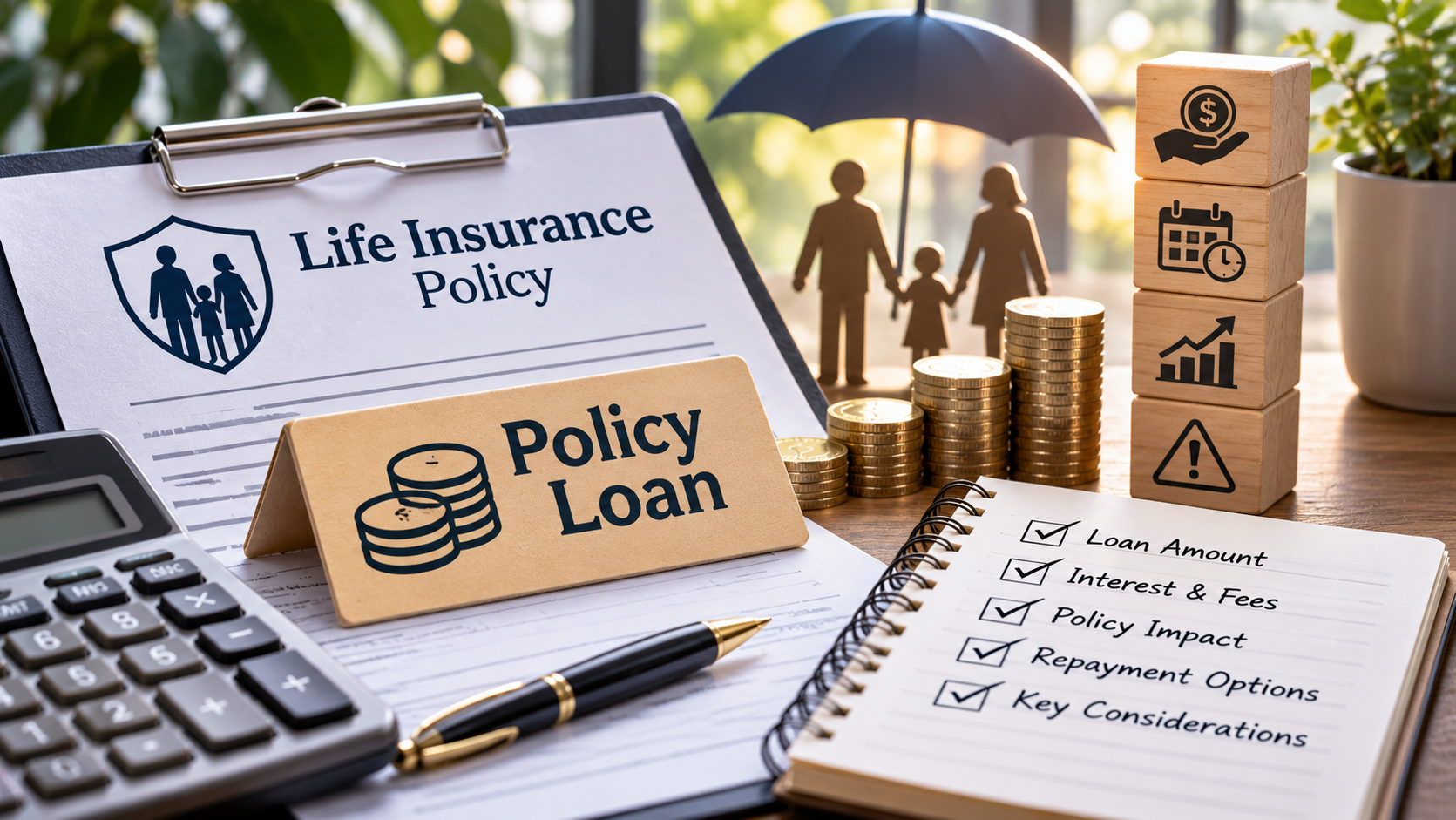
Life Insurance Policy Loan Implications unfold as a fascinating yet often misunderstood aspect of financial planning. For many, life insurance serves as a safety net for loved ones, but it can also be a source of funds during times of need. Understanding how policy loans work, their advantages, and potential pitfalls can empower policyholders to make well-informed decisions.
This discussion will delve into the mechanics of life insurance policy loans, the financial implications of borrowing against a policy, and the related tax considerations. By exploring real-life scenarios and alternatives, readers will gain a comprehensive view of the factors that come into play when considering a loan against a life insurance policy.
Understanding Life Insurance Policy Loans and Their Basics
Life insurance policy loans provide policyholders with the ability to borrow against the cash value of their life insurance policies. This unique feature allows individuals to access funds without the need for traditional credit checks or loan approval processes. Life insurance policies that accumulate cash value, such as whole life or universal life insurance, typically allow policyholders to take out loans against this value. Understanding how these loans work, their features, and the process to obtain them is essential for making informed financial decisions.
Life insurance policy loans function by enabling the policyholder to borrow a portion of the cash value accumulated in their life insurance policy. The loan is secured by the policy’s cash value, which means that the insurance company holds the loan amount against the policy. The primary features of these loans include the absence of a credit check, flexible repayment options, and the ability to borrow up to a certain percentage of the cash value, typically ranging from 70% to 90%. It’s important to note that interest will accrue on the borrowed amount, which can affect the overall death benefit if not repaid.
Examples of different types of life insurance policies that allow for loans include whole life insurance, which provides a guaranteed cash value growth and is designed to last a lifetime, and universal life insurance, which offers flexible premiums and death benefits along with cash value accumulation. Variable life insurance also allows for loans, but the cash value is contingent upon the performance of investments chosen by the policyholder.
The process of obtaining a loan against a life insurance policy typically involves the following steps:
1. Contact the Insurance Company: Reach out to your insurance provider to inquire about the loan process specific to your policy.
2. Check Cash Value: Verify the current cash value of your policy, as this will determine how much you can borrow.
3. Complete the Application: Fill out any required forms or applications to initiate the loan request.
4. Loan Amount Determination: Decide on the amount you wish to borrow, keeping in mind the maximum limit set by the policy.
5. Review Loan Terms: Carefully review the loan terms, including interest rates and repayment options.
6. Approval and Disbursement: Once approved, the funds will be disbursed, usually in the form of a check or direct deposit.
By understanding the fundamentals of life insurance policy loans, policyholders can effectively utilize this financial tool as a means of accessing funds when needed, without jeopardizing their insurance coverage.
The Financial Implications of Taking Out a Policy Loan
Borrowing against a life insurance policy can be a tempting option for those in need of quick cash. It provides a unique way to access funds without the stringent requirements of traditional loans. However, while there can be immediate financial benefits, it’s essential to understand the broader implications of such a decision. Engaging in this practice involves weighing the advantages against the potential drawbacks that could affect long-term financial stability.
One of the primary financial benefits of taking out a policy loan is the accessibility of cash. Policy loans typically allow policyholders to borrow against the cash value accumulated in their permanent life insurance policies, making it a relatively straightforward process. Unlike traditional loans, there are generally no credit checks, and you are borrowing from yourself, meaning you do not have to worry about approval from a lender. This can be particularly advantageous in emergencies or when unexpected expenses arise.
However, it’s crucial to be aware of the interest rates associated with these loans. Life insurance policy loans often have interest rates ranging from 5% to 8%, though this can vary based on the insurer and the specific policy terms. Unlike a conventional loan where interest is charged on the full amount borrowed, with a policy loan, the interest is charged on the outstanding balance. For example, if you borrow $10,000 and only pay back a portion, the interest will continue to accrue on the remaining amount, potentially increasing the total cost of the loan over time. This compounding interest can lead to a situation where the debt grows larger than anticipated if not managed properly.
When assessing the financial implications, it’s also essential to consider how a policy loan impacts the cash value and death benefit of the insurance policy. The cash value is the amount of money that accumulates in the policy over time, and taking out a loan against it reduces this amount. For example, if the cash value of a policy is $30,000 and the policyholder borrows $10,000, the available cash value is now $20,000. This reduction in cash value can affect future borrowing capabilities and the policy’s overall performance.
Furthermore, the death benefit, which is the amount paid out to beneficiaries upon the policyholder’s death, is also affected by policy loans. If the policyholder passes away while a loan is outstanding, the death benefit is reduced by the amount owed. For instance, if a policy has a death benefit of $200,000 and there’s an outstanding loan of $10,000, the beneficiaries would receive $190,000 upon the policyholder’s death.
In summary, while borrowing against a life insurance policy offers immediate liquidity, it also carries significant financial implications, including interest rates that can compound over time and impacts on both the policy’s cash value and death benefit. Understanding these factors is vital for making informed decisions regarding policy loans.
Tax Considerations Related to Life Insurance Policy Loans
When considering a life insurance policy loan, it’s essential to understand the tax implications that come with it. Borrowing against your policy can provide much-needed funds, but it can also lead to unexpected tax consequences if not managed properly. This section dives into the tax considerations that policyholders should be aware of when taking out a loan on their life insurance policy.
The tax implications of taking out a loan on a life insurance policy primarily revolve around the nature of the loan itself. Generally, policy loans are not considered taxable income as long as the policy remains in force and is not surrendered. However, there are certain situations where a policy loan may become taxable. If the policy lapses or is surrendered while there is an outstanding loan, the amount of the loan that exceeds the total premiums paid into the policy may be subject to taxation. This means that if you have borrowed against your policy and it lapses, the IRS treats the unpaid loan balance as a distribution, which can trigger tax liability.
It’s also important to compare the tax treatment of policy loans with other forms of borrowing. Unlike traditional loans from banks or credit unions, the interest you pay on a policy loan is not tax-deductible. Additionally, while you can take out loans against various types of collateral, many of them come with strict repayment terms and interest rates that can affect your credit score if not followed. In contrast, life insurance policy loans offer more flexible repayment options, but with the potential downside of tax implications if not handled appropriately.
In summary, understanding the tax considerations associated with life insurance policy loans is crucial for preserving your financial well-being. Here are key points to keep in mind regarding the tax implications:
- Policy loans are generally not taxable unless the policy lapses or is surrendered.
- Outstanding loans may be taxable if they exceed total premiums paid upon policy termination.
- Interest paid on policy loans is not tax-deductible, unlike interest on traditional loans.
- Repayment terms on policy loans are typically more flexible than other borrowing methods.
“A policy loan may become taxable if the loan balance exceeds the total premiums paid and the policy lapses or is surrendered.”
Repayment Strategies for Policy Loans
When you take out a policy loan against your life insurance, it is crucial to have a solid repayment strategy in place. This not only helps maintain the benefits of your policy but also safeguards your financial future. Understanding how to effectively manage and repay a policy loan can prevent potential pitfalls and ensure you are making the most of your life insurance investment.
One of the foundational aspects of repaying a life insurance policy loan is establishing an optimal repayment schedule. Your personal financial situation plays a significant role in determining how you should approach this. Consider these effective methods for calculating your repayment plan:
Establishing a Repayment Schedule
Creating a repayment plan tailored to your financial situation involves several steps. Begin with a comprehensive assessment of your monthly budget, including income, expenses, and any existing debt obligations. Once you have a clear picture, consider the following strategies:
- Budgeting for Repayment: Allocate a specific amount each month toward your policy loan repayment. This could be a fixed dollar amount or a percentage of your monthly income. Ensure this amount is manageable within your overall budget.
- Prioritizing Payments: If you have multiple financial obligations, prioritize your policy loan to avoid any negative impact on your life insurance. Failing to repay can result in a reduced death benefit or policy lapse.
- Utilizing Windfalls: Consider using any unexpected financial gains, such as bonuses or tax refunds, to make lump-sum payments on your loan. This can significantly reduce the loan balance and interest accrued.
- Interest vs. Principal Payments: Understand how much of your payment goes towards interest and how much towards the principal. Focusing on reducing the principal can decrease the overall interest burden over time.
It’s important to be aware of the consequences of failing to repay a policy loan. When the loan remains unpaid, interest continues to accumulate, which can lead to a substantial debt that may exceed the cash value of the policy. If the outstanding loan balance becomes too high, the life insurance policy can lapse, leaving the policyholder without coverage and potentially leading to financial instability in the event of unforeseen circumstances.
In summary, repayment strategies for life insurance policy loans should be tailored to individual financial situations, ensuring that payments are both feasible and effective. By taking proactive measures and understanding the implications of unpaid loans, policyholders can protect their investments and maintain their life insurance benefits.
Long-term Effects of Policy Loans on Insurance Policies
Taking a loan against a life insurance policy can create significant long-term implications that policyholders should thoroughly understand. While policy loans provide immediate financial relief and flexibility, they can also affect the policy’s overall value and benefits down the line. It’s essential for policyholders to monitor these loans and their impacts closely to maintain financial stability and ensure their loved ones are protected.
When a policyholder borrows against their life insurance policy, the outstanding loan amount will accrue interest. This interest can compound over time, potentially consuming the cash value of the policy. If the loan balance, including accumulated interest, exceeds the cash value, the policy may lapse, leading to coverage termination. This means that not only does the policyholder lose their insurance coverage, but their beneficiaries also lose the death benefit intended for them. Therefore, understanding the long-term ramifications of borrowing against a life insurance policy is crucial.
Long-term Outcomes of Policies with Loans vs. Without Loans
The long-term outcomes between life insurance policies with loans and those without can vastly differ, particularly in terms of cash value, death benefits, and overall financial strategy. Policies without loans generally maintain their initial intended purpose—providing a death benefit to beneficiaries and accumulating cash value over time without the risk of diminishing returns due to unpaid loans.
On the other hand, policies with loans can present a mixed bag of consequences. Here are some points to consider regarding these two scenarios:
– Impact on Cash Value: When loans are taken, the cash value grows slower due to the ongoing interest payments. In contrast, policies without loans typically enjoy uninterrupted cash accumulation.
– Death Benefit Reduction: If a policyholder passes away while a loan is outstanding, the unpaid amount plus interest is deducted from the death benefit. Thus, the beneficiaries receive less than expected. Policies without loans guarantee the full death benefit.
– Loan Interest Rates: The interest rate on a policy loan is usually lower than traditional loans, but the compounding nature can lead to significant total costs over time. Active monitoring helps avoid excessive accumulation of debt.
– Policy Lapse Risk: If loans are not managed well, they can lead to policy lapses, leaving the policyholder without coverage. Policies without loans naturally avoid this risk as they maintain their integrity.
Monitoring policy performance after taking out a loan becomes essential. Policyholders must regularly check their statements and be proactive in adjusting their financial plans as necessary. This could involve making additional premium payments to counteract the effects of the loan, or revisiting their financial goals to ensure they are still aligned with the policy’s performance.
The key takeaway is that while policy loans can offer immediate access to funds, they carry the potential for long-term consequences that require careful consideration and management.
Real-Life Scenarios of Policy Loan Utilization
Life insurance policy loans can be a valuable resource for policyholders in need of funds. These loans allow individuals to access the cash value of their policies without having to surrender the policy itself. Here, we explore various real-life scenarios where individuals have utilized life insurance policy loans, highlighting both successful outcomes and challenges faced along the way.
Case Studies of Policy Loan Usage
Understanding how policy loans work in real-life situations can be illuminating. Here are several case studies that showcase the diverse ways individuals have tapped into their policy loans.
1. Funding a Child’s Education: One policyholder, Sarah, used a policy loan to fund her daughter’s college tuition. With a substantial cash value accumulated in her whole life insurance policy, she borrowed $30,000 to cover upfront costs. Sarah successfully managed the loan repayment alongside her regular expenses.
– Outcome: By using the policy loan, Sarah avoided high-interest student loans and maintained the policy’s benefits.
2. Home Renovation: John took out a policy loan of $50,000 to renovate his home. He believed that the improvements would increase the property value. However, he underestimated the costs and faced challenges when the home market declined shortly after the renovations.
– Outcome: While the improvements were beneficial in the short term, John struggled with repaying the policy loan due to decreased home value and higher living expenses.
3. Medical Expenses: Emily found herself facing unexpected medical bills after a major health setback. She borrowed $20,000 from her policy to cover the costs. This loan enabled her to receive necessary treatment without delay.
– Outcome: Emily benefited from quick access to funds, but the challenge arose when she realized the accruing interest on the loan would reduce her death benefit significantly if not repaid.
4. Starting a Business: Mark utilized a policy loan to fund his start-up venture. He borrowed $40,000, believing in his business model. Initially, the business thrived, and he was able to repay the loan efficiently.
– Outcome: Mark’s success underscores the potential of using policy loans for investment, but he learned the importance of having a solid business plan and contingency fund.
Through these examples, it’s clear that life insurance policy loans can serve varying purposes, from education funding to emergency medical expenses. However, policyholders must remain aware of the implications, such as the impact on death benefits and interest accumulation.
“Utilizing a life insurance policy loan can provide immediate financial relief, but it is crucial to understand the long-term effects on your policy.”
These case studies reveal the importance of careful planning when considering a policy loan. Each scenario offers valuable lessons on the timing, amount borrowed, and the repayment process, which can guide future policyholders in making informed decisions.
Alternatives to Life Insurance Policy Loans
When considering the option of taking a loan against a life insurance policy, it’s essential to explore alternatives that may offer better financial terms or suit specific circumstances. While policy loans can be appealing due to their ease of access, there are several other financial products that can provide the necessary funds, often with more advantageous conditions.
Among the most popular alternatives are personal loans, home equity lines of credit (HELOCs), and credit cards. Each option has its own set of costs and benefits that should be carefully evaluated based on individual financial situations, repayment abilities, and long-term goals.
Comparison of Alternatives
Several alternatives to life insurance policy loans exist, and understanding their key characteristics can help individuals make informed financial decisions. The main alternatives include:
-
Personal Loans:
Personal loans are unsecured loans that can be borrowed from banks, credit unions, or online lenders. They usually come with fixed interest rates and set repayment terms. They can be a good option for those who need a specific amount quickly without collateral. However, interest rates can vary based on credit scores and financial history, making it crucial to shop around for the best rate. -
Home Equity Lines of Credit (HELOCs):
A HELOC allows homeowners to borrow against the equity in their property, functioning like a credit card with a revolving balance. This can often offer lower interest rates compared to personal loans, making it an attractive option for larger expenses. However, it does put your home at risk if you fail to make payments, and the variable interest rates can increase over time. -
Credit Cards:
For those who need short-term financing, credit cards can be a convenient option. They often come with rewards programs and promotional interest rates. However, if the balance is not paid off promptly, the accrued interest can become quite high. Using credit cards for larger purchases can lead to significant debt if not managed properly.
In scenarios where individuals face urgent financial needs, personal loans may be preferable due to their straightforward application process and quick funding. Conversely, homeowners with substantial equity may find HELOCs more beneficial for larger expenses or ongoing projects due to lower interest rates. Credit cards, while convenient for smaller, immediate needs, should be approached with caution due to the potential for high-interest accumulation. Evaluating these options against the backdrop of one’s financial situation will help determine the most suitable route to take.
“Understanding your options is key to making informed financial decisions that align with your long-term goals.”
Last Recap
In summary, navigating the world of Life Insurance Policy Loan Implications requires careful consideration of both the benefits and drawbacks associated with borrowing against a policy. From understanding the impacts on cash value and death benefits to exploring repayment strategies, policyholders can make choices that align with their financial goals. Ultimately, being well-informed can lead to more confident and strategic decisions in times of financial need.
FAQ Corner
What happens if I don’t repay my policy loan?
If you do not repay your policy loan, the outstanding balance will be deducted from your death benefit, potentially leaving your beneficiaries with less coverage.
Can I take multiple loans against my policy?
Yes, you can take multiple loans against your life insurance policy, as long as the total loan amount does not exceed the policy’s cash value.
Will my credit score be affected by a policy loan?
No, policy loans do not typically affect your credit score since they are not reported to credit bureaus.
Are there fees associated with policy loans?
While there are usually no fees for taking a policy loan, interest charges will apply, which can vary by insurer.
Can I pay back my loan early?
Yes, you can repay your policy loan early without any penalties, potentially reducing your overall interest costs.