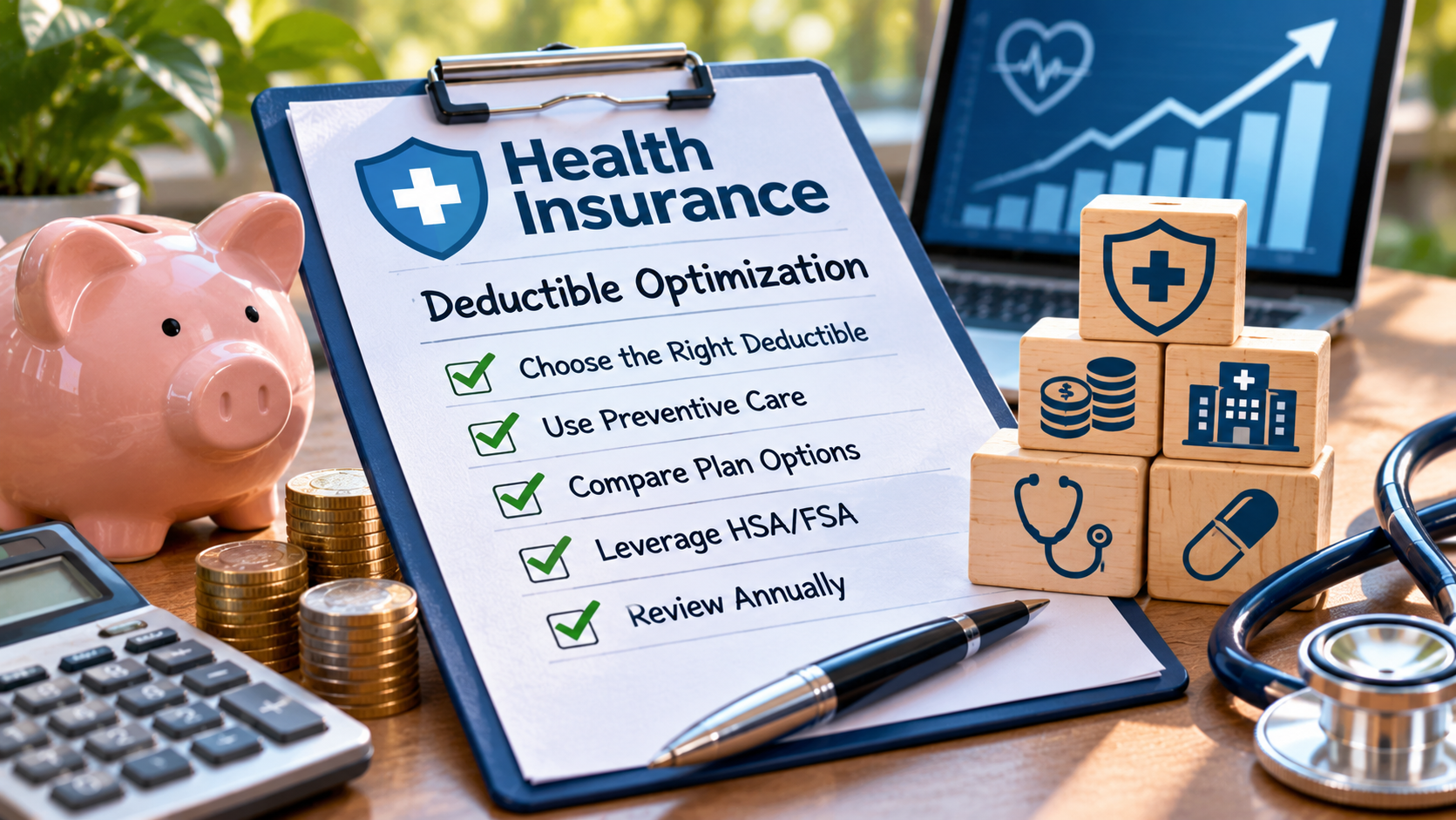
Health Insurance Deductible Optimization sets the stage for this enthralling narrative, offering readers a glimpse into a story that is rich in detail with casual formal language style and brimming with originality from the outset.
Diving into the world of health insurance deductibles, we explore how these essential components of health plans can significantly influence out-of-pocket costs for individuals and families. By understanding the fundamentals of deductibles, their variations, and the importance of optimizing them, you can make informed decisions that enhance your healthcare experience and financial well-being.
Understanding the Concept of Health Insurance Deductibles
Health insurance deductibles play a crucial role in determining out-of-pocket expenses for policyholders. They represent the amount an individual is required to pay for healthcare services before their insurance plan begins to cover costs. Understanding how deductibles work is essential for making informed decisions about health plans and managing healthcare expenses effectively.
The basic principle of a health insurance deductible is quite straightforward. When you have a deductible, you must pay that amount yourself for covered medical expenses before your health insurance provider starts contributing. For example, if your plan has a deductible of $1,000, you will need to pay the first $1,000 of your healthcare costs, after which your insurer pays a portion of the expenses. This system incentivizes individuals to be more mindful of their healthcare consumption and expenses.
How Deductibles Work in Various Health Insurance Policies
Health insurance policies differ significantly in how deductibles are applied, and it’s important to understand these variations. Below are examples of how deductibles function across different types of health plans:
- High Deductible Health Plans (HDHPs): Plans often have a deductible of at least $1,400 for individual coverage and $2,800 for family coverage. These plans are typically paired with Health Savings Accounts (HSAs), allowing individuals to save for healthcare expenses tax-free. While premiums are lower, out-of-pocket costs can be high before insurance coverage kicks in.
- Low Deductible Health Plans: These plans generally feature lower deductibles, ranging from $500 to $1,000. Although premiums are higher, the reduced upfront costs can provide peace of mind for individuals who anticipate needing medical care throughout the year.
- Coinsurance and Copayments: After meeting the deductible, most plans require coinsurance, where you pay a percentage of the cost for services, or a copayment, a fixed fee per visit. For instance, if your plan involves 20% coinsurance, after you meet your $1,000 deductible, you would pay 20% of the next $10,000 in medical bills, totaling an additional $2,000.
Differences Between High and Low Deductible Plans
Understanding the differences between high and low deductible plans is key to choosing the right health insurance policy. Each type has its own advantages and disadvantages that can impact your overall healthcare costs.
High deductible plans often come with lower monthly premiums, making them appealing for those who are generally healthy and do not anticipate frequent medical visits. These plans encourage individuals to take advantage of preventative care, as many HDHPs cover such services without requiring deductible payments. However, these plans pose a financial risk if unexpected medical issues arise, as high out-of-pocket costs can be burdensome.
On the other hand, low deductible plans offer a more predictable cost structure, which can be beneficial for families or individuals with chronic health conditions requiring regular treatment. With lower out-of-pocket expenses, these plans provide financial relief during times of increased medical needs. The trade-off is higher monthly premiums, which can strain budgets for individuals who are generally healthy.
The choice between high and low deductible plans ultimately depends on individual health needs, financial situations, and risk tolerance.
Importance of Optimizing Health Insurance Deductibles
Optimizing health insurance deductibles is essential for individuals and families seeking to manage their healthcare costs effectively. With the rising costs of medical care, understanding and strategically managing deductibles can lead to significant financial savings and improved access to necessary healthcare services.
Effective deductible optimization can influence both the financial and health outcomes for policyholders. When individuals carefully choose plans with appropriate deductible amounts based on their healthcare needs, it can minimize out-of-pocket expenses and maximize the benefits of their insurance coverage. A study from the Kaiser Family Foundation indicates that families with higher deductibles often face substantial barriers to accessing care, which can lead to worse health outcomes and increased long-term costs.
Financial Impact of Deductible Optimization
The financial implications of choosing the right deductible can be profound. Families that optimize their deductibles often see a decrease in overall healthcare costs.
A 2020 report from the Health Affairs journal found that individuals with a high-deductible health plan (HDHP) saved an average of $1,500 in annual healthcare costs compared to those with a traditional plan, provided they actively optimized their deductible choices. The difference lies in selecting plans that align with one’s healthcare usage—choosing a higher deductible for those who rarely need medical services can lower premium costs, while opting for a lower deductible may benefit those who expect frequent medical visits.
For families with children or chronic health issues, the impact is even more significant. According to the National Center for Health Statistics, families with one or more members requiring ongoing medical care can save up to 30% on their total healthcare costs when they select a plan that minimizes their deductible burden effectively.
Improved Healthcare Access and Utilization
Optimizing health insurance deductibles not only contributes to financial savings but also enhances access to essential healthcare services.
When deductibles are managed effectively, individuals are more likely to seek preventive care and timely medical attention, reducing the chances of escalating health issues. Research shows that insured individuals with lower financial barriers are nearly 50% more likely to engage in necessary preventive services, such as vaccinations and screenings.
– Compounded with the financial aspect, optimizing deductibles encourages regular checkups and early treatment, which can prevent more serious conditions that require costly interventions later.
– Furthermore, a well-structured deductible strategy can lead to improved overall health outcomes, as individuals who can afford necessary care are less likely to delay treatment due to financial constraints.
In summary, the importance of optimizing health insurance deductibles lies not only in financial savings but also in the broader implications for healthcare access and overall community health. By making informed deductible choices, families can enhance their well-being while also managing healthcare expenses more effectively.
Strategies for Effective Deductible Management
Managing health insurance deductibles can significantly impact your overall healthcare spending. By employing the right strategies, individuals can optimize their deductibles and reduce out-of-pocket costs. Effective deductible management not only helps in saving money but also ensures that you receive necessary medical care without undue financial stress.
Understanding how to navigate your deductible can make a substantial difference in your healthcare experience. Here are some key strategies that can assist individuals in optimizing their health insurance deductibles while avoiding common pitfalls.
Comprehensive Strategies for Deductible Optimization
Implementing well-thought-out strategies can enhance your ability to manage your health insurance deductibles effectively. The following strategies provide a comprehensive approach to optimizing deductibles:
- Review Your Plan Annually: Each year, take the time to review your health insurance plan. Look for changes in coverage, premiums, and deductibles. Understanding these factors can help you adjust your healthcare usage accordingly.
- Utilize Health Savings Accounts (HSAs): If eligible, contribute to an HSA to save pre-tax money that can be used for qualified medical expenses. This can help offset your deductible cost and provide tax benefits.
- Schedule Preventive Care: Preventive services often have no cost-sharing, which means they can be utilized without affecting your deductible. Regular check-ups, vaccinations, and screenings should be prioritized.
- Negotiate Medical Bills: Don’t hesitate to discuss payment options and negotiate bills with healthcare providers. Many are willing to offer discounts or payment plans to help manage costs.
- Stay In-Network: Using providers within your insurance network can often result in lower costs. Out-of-network services typically incur higher deductibles and additional out-of-pocket expenses, so stick to in-network providers when possible.
- Plan for Major Expenses: If you anticipate significant medical expenses, consider reaching out to your provider about options like payment plans. This planning can help you manage costs more effectively.
- Consider Telehealth Services: Utilizing telehealth options can be a cost-effective way to receive care without incurring high out-of-pocket expenses. Many telehealth consultations do not apply to deductibles.
Role of Preventive Care in Deductible Management
Preventive care plays a critical role in managing health insurance deductibles effectively. By taking advantage of preventive services, individuals can address health issues before they escalate, ultimately reducing the need for costly treatments that impact deductibles.
Preventive care typically includes routine check-ups, screenings (such as mammograms and colonoscopies), and vaccinations. These services are often covered at no additional cost, which means that they do not apply toward your deductible. Regular engagement with healthcare providers through preventive care can lead to early detection of potential health issues, enabling a proactive approach to treatment and management.
“Investing in preventive care today can save individuals from significant healthcare expenses tomorrow.”
Common Pitfalls to Avoid in Deductible Management
While optimizing your health insurance deductible, it’s important to be aware of common missteps that can lead to increased costs. Navigating these pitfalls successfully can enhance your overall healthcare experience.
Being informed about these challenges can prevent unnecessary financial strain:
- Ignoring the Fine Print: Always read your policy details carefully to understand what services are covered and any limitations on benefits to avoid unexpected costs.
- Delaying Care: Postponing necessary medical treatment can lead to a more serious health issue, which may result in higher costs and increased usage of your deductible.
- Overlooking Prescription Costs: Prescription medications can be a significant out-of-pocket expense. Always check if your medications are covered under your plan and explore generic alternatives when possible.
- Failure to Utilize Annual Maximums: Some plans have maximum limits on out-of-pocket expenses. Failing to understand these limits may lead to higher expenses than necessary.
- Not Keeping Track of Medical Expenses: Monitoring your medical expenses through the year can help you anticipate when you will reach your deductible, aiding in budget planning.
Understanding and implementing these strategies enhances your ability to manage health insurance deductibles effectively while avoiding common pitfalls. By taking proactive steps and utilizing available resources, you can navigate the complexities of your health insurance plan with confidence.
The Role of Health Savings Accounts in Deductible Optimization
Health Savings Accounts (HSAs) play a crucial role in optimizing health insurance deductibles and managing overall healthcare costs. By allowing individuals to set aside pre-tax money for qualified medical expenses, HSAs provide a strategic financial tool for those enrolled in high deductible health plans (HDHPs). This dual advantage not only eases the burden of meeting deductibles but also enhances the overall management of healthcare finances.
One of the standout features of HSAs is the significant tax benefits they offer. Contributions made to an HSA are tax-deductible, reducing taxable income for the year they are made. Additionally, the funds grow tax-free, and withdrawals for qualified medical expenses are also tax-exempt. This triple tax advantage makes HSAs an invaluable complement to high deductible health plans, where out-of-pocket expenses can be substantial. By utilizing HSAs effectively, individuals can mitigate the impact of high deductibles while simultaneously reaping tax benefits.
Guidelines for Effective HSA Usage
To maximize the advantages of HSAs in the context of deductible optimization, it is essential to follow specific guidelines. These practices ensure that individuals can leverage their HSAs to their fullest potential:
1. Contribute the Maximum Allowed: Each year, individuals should aim to contribute the maximum amount permitted by the IRS. For 2023, the contribution limit is $3,850 for individuals and $7,750 for families, with an additional $1,000 catch-up contribution for individuals aged 55 and older. Maximizing contributions helps accumulate funds for future healthcare expenses.
2. Invest HSA Funds: Many HSA providers offer investment options once the account balance exceeds a certain threshold. Investing HSA funds can lead to greater growth over time, similar to retirement accounts. This is particularly beneficial for those who may not need to use the funds immediately.
3. Keep Track of Qualified Expenses: Properly documenting and tracking qualified medical expenses is vital. This not only ensures compliance with IRS regulations but also allows for a clearer understanding of healthcare spending and the effective utilization of HSA funds.
4. Consider Employer Contributions: Some employers offer to contribute to employee HSAs as part of their benefits package. Taking full advantage of these contributions can significantly bolster the account balance and enhance overall savings.
5. Plan for Future Healthcare Needs: HSAs are not just for current expenses; they can also be a strategic tool for future healthcare costs. By saving and investing funds now, individuals can prepare for potential medical expenses in retirement, when healthcare costs often rise.
By following these guidelines, individuals can optimize their HSAs, effectively manage their healthcare costs, and ease the burden of high deductible plans. This proactive approach not only enhances financial stability but also promotes a healthier lifestyle through better access to necessary medical care.
Evaluating Health Insurance Plans for Deductible Efficiency
When exploring health insurance plans, understanding deductible efficiency is crucial for making informed choices. Deductible efficiency refers to how effectively a plan’s deductible can minimize overall out-of-pocket expenses. Evaluating health insurance plans involves several criteria that help identify which options provide the most financial benefit relative to individual healthcare needs.
To assess deductible efficiency, individuals should consider the following criteria:
– Deductible Amount: The initial amount you must pay before your insurance kicks in. A lower deductible may be attractive, but it often results in higher premiums.
– Out-of-Pocket Maximum: This is the cap on what you will have to pay for covered services in a policy year. Understanding this helps gauge the plan’s long-term affordability.
– Coverage Network: The providers and facilities that accept the plan. A broader network may reduce costs and improve access to care.
– Co-payments and Co-insurance: These are additional costs that arise after meeting the deductible. Comparing these amounts across plans is essential for understanding total expenses.
– Prescription Drug Coverage: Determine the cost-sharing structure for medications, especially if you have chronic conditions requiring regular prescriptions.
The following comparison table highlights key features of different health insurance plans focusing on their deductible structures:
| Plan Name | Annual Deductible | Out-of-Pocket Maximum | Co-payment for Primary Care | Co-insurance after Deductible | Prescription Drug Costs |
|---|---|---|---|---|---|
| Plan A | $1,500 | $5,000 | $30 | 20% | $10/Generic, $30/Brand |
| Plan B | $2,000 | $6,500 | $25 | 25% | $15/Generic, $45/Brand |
| Plan C | $1,000 | $4,500 | $20 | 15% | $5/Generic, $20/Brand |
Different demographic groups assess these plans differently based on their healthcare usage and financial situations. For instance, young, healthy individuals may prefer a plan with a higher deductible and lower premiums, anticipating minimal healthcare use. Conversely, families with children may favor a lower deductible to manage routine pediatric visits and unexpected emergencies more effectively.
Older adults or those with chronic conditions may prioritize plans with lower out-of-pocket maximums and comprehensive coverage for specialists, ensuring that the costs don’t exceed their budget. Understanding these differences enables individuals to choose plans that align with their unique needs and financial goals.
The Future of Health Insurance Deductibles in a Changing Healthcare Landscape
The landscape of health insurance is continuously evolving, and with it, the structures of deductibles are likely to shift significantly over the next decade. As consumers become more proactive about their health expenses and technology continues to advance, the way deductibles function will adapt to meet these new demands and expectations. This section explores potential trends, technological impacts, and policy changes that may redefine health insurance deductibles.
Trends in Health Insurance Deductible Structures
As we look to the future, several emerging trends are likely to shape health insurance deductible structures. The following points highlight the most significant developments that consumers should anticipate:
- Increased Cost-Sharing Among Consumers: As healthcare costs rise, insurers are likely to implement higher deductibles. This trend pushes consumers to become more mindful of their healthcare spending, encouraging them to seek value in their services.
- Focus on Preventive Care: Many insurance plans may begin to offer lower deductibles or no-deductible options for preventive services, making it easier for consumers to prioritize healthcare that prevents more severe conditions.
- Personalized Deductible Models: With advances in data analytics, insurers might start offering personalized deductible plans based on individual health profiles and risk assessments, tailoring coverage to ensure better alignment with consumers’ healthcare needs.
Impact of Technological Advancements on Deductible Management
Technological innovations are set to revolutionize the management and optimization of health insurance deductibles. Data-driven tools and applications are emerging to help consumers navigate their healthcare choices more effectively. The key areas of impact include:
- Mobile Health Applications: These apps can provide consumers with real-time information about their deductible status, out-of-pocket expenses, and provider costs. This transparency encourages informed decision-making regarding healthcare usage.
- Telemedicine Services: The expansion of telehealth options can lead to lower costs for consumers, as these services often have reduced or no deductibles. This shift allows patients to access care without facing high out-of-pocket expenses.
- Blockchain for Claims Processing: The integration of blockchain technology can streamline claims processing, potentially reducing administrative costs, which may lead to lower deductibles for consumers in the long run.
Policy Changes Affecting Deductibles
Health policy decisions also play a critical role in shaping the future of health insurance deductibles. Recent legislative trends suggest a few important changes that may impact consumers:
- Legislation Promoting Transparency: New laws aimed at increasing price transparency in healthcare could empower consumers to make better choices, ultimately influencing deductible structures and premium costs.
- Value-Based Care Initiatives: With a growing emphasis on value-based care, insurers may adjust deductible levels to encourage consumers to engage with high-quality providers, aligning incentives with health outcomes.
- Changes in Medicaid and Medicare Structures: Adjustments to government-funded healthcare programs could have a ripple effect on private insurance deductibles, potentially leading to revised frameworks that affect how individuals manage their health expenses.
“Anticipating changes in health insurance deductibles allows consumers to prepare for a more dynamic healthcare environment, leading to informed decision-making and better healthcare outcomes.”
Summary
In summary, optimizing health insurance deductibles is not just about numbers; it’s about making strategic choices that can lead to better health outcomes and financial savings. By utilizing the right strategies, understanding Health Savings Accounts, and evaluating plans efficiently, individuals can navigate the complexities of health insurance with confidence, ultimately paving the way for a healthier future.
FAQs
What is a health insurance deductible?
A health insurance deductible is the amount you pay out-of-pocket for healthcare services before your insurance begins to cover costs.
Why is optimizing my deductible important?
Optimizing your deductible can lower your overall healthcare costs and improve access to necessary medical services.
Can I change my deductible during the year?
Typically, deductibles can only be changed during the open enrollment period or if you experience a qualifying life event.
How do Health Savings Accounts help with deductibles?
Health Savings Accounts (HSAs) allow you to save money tax-free specifically for medical expenses, which can help cover your deductible costs.
Are high deductible plans always better?
Not necessarily; while they usually have lower premiums, high deductible plans can lead to higher out-of-pocket costs if you require extensive medical care.