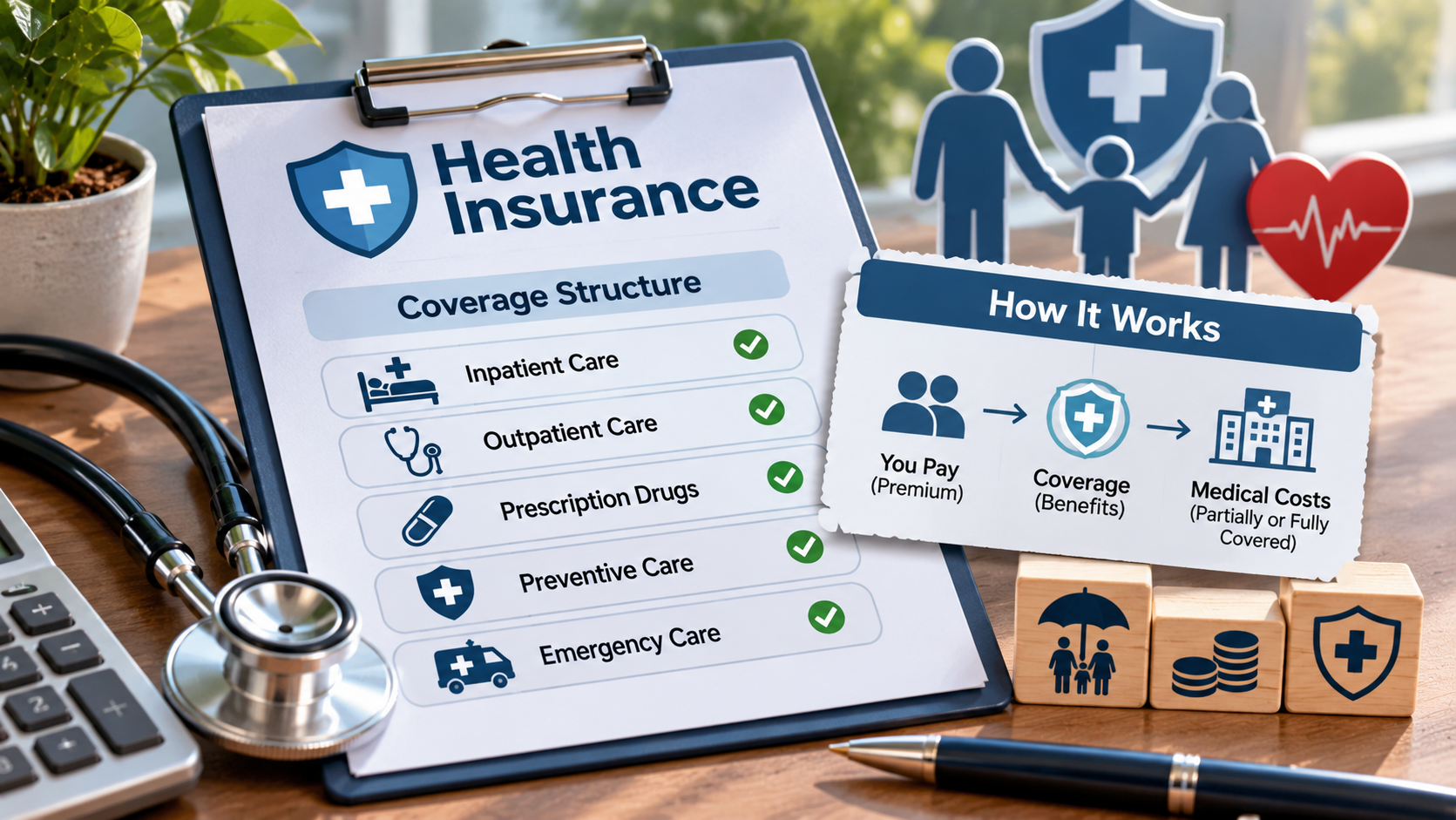
Understanding Health Insurance Coverage Structures serves as a crucial gateway to comprehending how we navigate healthcare today. With various plans and intricate details about premiums, deductibles, and copayments, it’s essential to get a grasp on these elements to make informed decisions.
This exploration delves into the types of health insurance plans available, their impact on access to healthcare services, and the cost implications for individuals. From employer-sponsored options to emerging trends in technology and value-based care, the landscape of health insurance is constantly evolving, affecting our choices and healthcare outcomes.
Understanding the Basics of Health Insurance Coverage Structures
Health insurance is a vital component of healthcare, providing financial support for medical expenses. Understanding the coverage structures is essential for making informed choices about health plans and maximizing benefits. This piece will delve into the fundamental components that define health insurance coverage, the various types of plans available, and the key terms that impact costs and care.
Fundamental Components of Health Insurance Coverage
Health insurance coverage structures consist of several key components that dictate how services are accessed and paid for. The most notable elements include premiums, deductibles, copayments, and out-of-pocket maximums. Each component plays a significant role in determining the overall cost of health care for the insured.
- Premiums: This is the amount paid, typically monthly, to maintain coverage. The premium is the first cost consumers encounter when enrolling in a health insurance plan. It does not reflect the actual cost of services but ensures access to the network of healthcare providers.
- Deductibles: This is the amount the insured must pay out-of-pocket for healthcare services before the insurance begins to cover costs. Higher deductibles often result in lower premiums, but they can lead to significant expenses before benefits kick in.
- Copayments: These are fixed amounts the insured pays for specific services at the time of care, such as visits to a doctor or prescriptions. Copayments can vary based on the type of service and whether the provider is in-network or out-of-network.
- Out-of-Pocket Maximums: This is the maximum amount an insured individual will pay for covered healthcare services in a plan year. Once this limit is reached, the insurer covers 100% of the costs for covered services for the rest of the year.
Types of Health Insurance Plans
Understanding the various types of health insurance plans is crucial for consumers seeking coverage. Each plan type has distinct features that cater to different needs and preferences. Here’s a brief overview of the most common types:
- Health Maintenance Organization (HMO): These plans require members to choose a primary care physician (PCP) and get referrals to see specialists. They typically have lower premiums and out-of-pocket costs but require members to use a network of doctors.
- Preferred Provider Organization (PPO): PPOs offer more flexibility in choosing healthcare providers. Members can see any doctor but will pay less if they use providers within the network. They do not require referrals to see specialists.
- Exclusive Provider Organization (EPO): EPOs are similar to PPOs but do not cover any out-of-network care except in emergencies. They offer lower premiums than PPOs and require no referrals.
- Point of Service (POS): These plans combine features of HMOs and PPOs. Members choose a primary care doctor, but they can also go outside the network for care, usually at a higher cost.
Impact of Key Financial Terms on Health Insurance
Understanding how premiums, deductibles, copayments, and out-of-pocket maximums interact can help consumers make better health insurance choices. These terms represent the basic framework for the financial aspects of health insurance.
The relationship between these components can significantly impact overall healthcare costs and access to necessary services.
In practical terms, a consumer with a high deductible plan may face substantial upfront costs before insurance benefits begin. Conversely, a plan with a higher premium but lower deductible might be more beneficial for those anticipating frequent healthcare needs. Choosing the right balance between these financial terms can lead to significant savings and better health outcomes.
The Impact of Health Insurance Coverage Structures on Healthcare Access
Health insurance coverage structures play a crucial role in determining how individuals access healthcare services. The design and specifics of a health insurance plan can either facilitate or hinder timely medical care, preventive services, and necessary treatments. Understanding these coverage structures is essential, as they directly impact the health outcomes of individuals and communities.
Different coverage structures come with varying levels of cost-sharing, provider networks, and benefit designs, each influencing access to healthcare services in unique ways. For instance, plans with high deductibles may deter patients from seeking necessary care due to upfront costs. Conversely, comprehensive plans that cover a wide range of services often lead to better health outcomes, as they encourage individuals to seek timely medical attention without financial strain. This relationship between coverage structures and healthcare access is evidenced by numerous studies highlighting the disparities in health outcomes based on insurance types.
Disparities in Health Outcomes Across Coverage Plans
The differences in health insurance plans can lead to significant disparities in health outcomes. When individuals are enrolled in plans with limited coverage, such as those that exclude specialty services or impose high copayments, they are less likely to receive necessary treatments. For example, individuals with low-income and Medicaid coverage often report challenges in accessing specialists compared to those with private insurance. This can result in delayed diagnoses and worsened health conditions.
Key factors contributing to these disparities include:
- Network Limitations: Many insurance plans operate through restricted networks, meaning patients must see specific providers. If these providers are not easily accessible or lack the necessary specialization, patients may forego care altogether.
- Cost Barriers: High out-of-pocket expenses associated with certain plans can discourage individuals from seeking care. For instance, those with high-deductible health plans may avoid preventive services, leading to late-stage diagnoses of diseases.
- Geographic Disparities: Some insurance plans may not provide adequate coverage in rural areas, where healthcare providers are scarce. This results in limited access to essential services and can exacerbate health issues among rural populations.
The correlation between health insurance coverage structures and the utilization of preventive care is significant. Individuals with comprehensive insurance plans are more likely to utilize preventive services such as vaccinations, screenings, and regular check-ups. This increased utilization can lead to early detection of illnesses, ultimately improving health outcomes and reducing the need for more extensive treatments later.
“Access to preventive care is not just a matter of health; it’s a matter of equity in health outcomes among different socio-economic groups.”
In conclusion, the structure of health insurance coverage directly influences healthcare access and can create disparities in health outcomes, particularly when considering the utilization of preventive services. Understanding these dynamics is essential for policymakers and healthcare providers as they work to improve health equity and access for all individuals.
Evaluating Different Models of Health Insurance Coverage
When it comes to health insurance, consumers have various models to choose from, each offering distinct advantages and disadvantages. Understanding these models is crucial for making informed decisions about healthcare coverage. This section evaluates three primary models: managed care plans, indemnity plans, and high-deductible health plans, focusing on their benefits, drawbacks, and implications for care delivery and patient satisfaction.
Comparison of Managed Care Plans, Indemnity Plans, and High-Deductible Health Plans
The choice of health insurance model significantly influences both the cost of care and the quality of services received. Below is a comparative analysis of the three models:
- Managed Care Plans: These plans, such as Health Maintenance Organizations (HMOs) and Preferred Provider Organizations (PPOs), typically require members to use a network of healthcare providers. The benefits include lower premiums and out-of-pocket costs, but they often limit choices of specialists and may require referrals for certain services. This structured approach can lead to improved management of chronic conditions and preventive care. However, the restrictions can frustrate patients seeking flexibility in their healthcare options.
- Indemnity Plans: Often referred to as fee-for-service plans, indemnity insurance allows members to choose any healthcare provider without network restrictions. This flexibility comes at a cost—higher premiums and out-of-pocket expenses. Indemnity plans may be beneficial for those who prefer a broader range of choices or require care from specialized providers not available in managed care networks. However, the lack of coordinated care may lead to increased healthcare spending and fragmented service delivery, potentially impacting patient satisfaction.
- High-Deductible Health Plans (HDHPs): These plans feature lower premiums but higher deductibles, meaning consumers pay more out-of-pocket before insurance coverage kicks in. HDHPs can be paired with Health Savings Accounts (HSAs), allowing individuals to save for medical expenses tax-free. While HDHPs may encourage consumers to shop for cost-effective care and use healthcare services judiciously, they can also create barriers to access, particularly for those who cannot afford high upfront costs. Patient satisfaction may vary, often depending on individuals’ financial situations and their understanding of the plan’s structure.
“Each health insurance model presents unique trade-offs between cost, access, and satisfaction, shaping the overall healthcare experience for consumers.”
Understanding these models aids consumers in navigating the complexities of health insurance coverage, ultimately influencing their healthcare decisions and satisfaction.
Regulatory Framework Governing Health Insurance Coverage
The regulatory framework for health insurance coverage is vital in shaping the accessibility and quality of healthcare services available to consumers. Governments worldwide establish regulations that influence how health insurance operates, ensuring that policies are fair and protective of consumer interests. Understanding these regulations can help individuals navigate their health insurance options more effectively and advocate for their rights.
Key regulations play a significant role in establishing health insurance coverage structures across different regions. In the United States, the Affordable Care Act (ACA) is a landmark piece of legislation that has had far-reaching implications for health insurance. The ACA introduced essential consumer protections and aimed to expand access to affordable coverage. At the same time, various state laws can introduce additional regulations, creating a complex landscape that varies widely from one area to another.
Key Regulations Shaping Health Insurance Coverage
Several critical regulations help define health insurance coverage structures. These include:
- The Affordable Care Act (ACA): This 2010 legislation expanded coverage to millions of Americans by establishing health insurance marketplaces and prohibiting insurers from denying coverage based on pre-existing conditions.
- Medicare and Medicaid: Federal programs that provide health coverage to eligible seniors and low-income individuals, influencing how private insurers design their products.
- The Employee Retirement Income Security Act (ERISA): Governs employer-sponsored health plans, setting standards for plan management and beneficiary protections.
The ACA has fundamentally reshaped the health insurance landscape in the U.S. One of its most significant features is the establishment of health insurance marketplaces, which allow consumers to compare plans and purchase coverage with potential subsidies. Additionally, the ACA mandates that insurers cover essential health benefits, including preventive services, maternity care, and mental health services.
Moreover, consumer protections under the ACA, such as prohibiting lifetime limits on coverage and ensuring that all individuals have access to coverage regardless of their health status, have significantly impacted how health insurance is marketed and sold.
State Laws and Their Impact on Health Insurance Regulation
State laws can differ markedly in their approach to health insurance regulation, reflecting local priorities and healthcare needs. These differences can affect the availability, cost, and comprehensiveness of health insurance coverage options.
- Variations in Coverage Mandates: Some states require insurance plans to cover additional services not mandated by federal law, such as acupuncture or chiropractic care.
- Rate Review Processes: States have different processes for reviewing and approving insurance premium rates, impacting how much consumers pay for their coverage.
- Consumer Protections: Certain states may implement stronger consumer protections related to claims processing, appeals, and coverage denials, enhancing patient rights.
Due to these regulatory differences, individuals seeking health insurance should be aware of their state’s specific laws and regulations. For example, states like California have enacted robust consumer protection measures, while others may have more lenient regulations, leading to variations in the quality and availability of health insurance options in those regions.
Understanding the regulatory landscape is crucial for consumers to navigate their health insurance options effectively and ensure they receive the protections they deserve.
The Role of Employers in Health Insurance Coverage Structures
Employer-sponsored health insurance plays a significant role in the overall healthcare landscape, influencing not only the choices available to employees but also the affordability and quality of care. Employers are pivotal in providing access to health insurance, often serving as the primary source for coverage. Understanding how these plans are structured and the options available can greatly impact employees’ health and financial wellbeing.
Employer-sponsored health insurance plans are typically structured as group plans, which allow employers to negotiate better rates and coverage terms with insurers due to the larger pool of participants. These plans often feature several options tailored to varying employee needs. Common offerings include:
Standard Plan Options
Employers usually provide a range of health insurance options that can include:
- Health Maintenance Organizations (HMOs): Require members to use a network of doctors and hospitals for care, emphasizing preventive services.
- Preferred Provider Organizations (PPOs): Allow more flexibility in choosing healthcare providers, with higher costs for out-of-network care.
- Exclusive Provider Organizations (EPOs): Combine features of HMOs and PPOs, requiring members to use a specific network of providers without the necessity for referrals.
- High Deductible Health Plans (HDHPs): Often paired with Health Savings Accounts (HSAs), these plans have lower premiums but higher deductibles, encouraging consumer-driven healthcare.
The employer’s contribution to the premiums significantly influences employee choices regarding health coverage. By contributing a portion of the premium costs, employers make health insurance more affordable for employees, which can lead to higher enrollment rates in offered plans. Typically, the extent of the employer’s contribution can sway employees toward selecting more comprehensive plans. When employers cover a larger percentage of the premium, it encourages employees to opt for plans with broader coverage, which can include additional benefits like wellness programs and mental health services.
Trends in Employer Health Benefits
The landscape of employer-provided health benefits is continually evolving, reflecting broader changes in the healthcare environment. Recent trends have shown:
- Increased Focus on Mental Health: Many employers are now prioritizing mental health coverage, providing resources such as Employee Assistance Programs (EAPs) and teletherapy options.
- Wellness Initiatives: Employers are integrating wellness programs into health benefits, which can include fitness memberships, smoking cessation programs, and health screenings, aimed at improving overall employee health and reducing costs.
- Telehealth Services: With the rise of digital health, many employers now offer telehealth services as part of their health benefits, enabling employees to access care easily, especially during times of crisis like the COVID-19 pandemic.
- Personalized Benefits: Customizable health plans are on the rise, allowing employees to select benefits that best suit their individual needs, promoting a sense of ownership over their healthcare decisions.
As these trends continue, they carry significant implications for workers, including increased access to comprehensive care and the potential for reduced healthcare costs. Employers who adapt to changing needs are likely to enhance employee satisfaction and retention while also contributing to a healthier workforce overall.
Future Trends in Health Insurance Coverage Structures
As the landscape of health insurance continues to evolve, several key trends are emerging that promise to reshape coverage structures and the overall approach to healthcare. These changes are influenced by advancements in technology, shifts in demographic needs, and a growing emphasis on value-based care. Understanding these trends can provide valuable insights for stakeholders within the healthcare system.
Value-Based Care
Value-based care represents a significant shift from traditional fee-for-service models, focusing instead on the quality of care provided rather than the quantity. Under this model, healthcare providers are incentivized to deliver better health outcomes for patients, which can have profound effects on insurance coverage structures.
The adoption of value-based care is expected to lead to:
- Enhanced Patient Outcomes: With a focus on quality, insurance plans are likely to cover services that improve long-term health, leading to reduced hospital readmissions and lower overall healthcare costs.
- Increased Provider Accountability: Insurers may implement stricter guidelines and accountability measures for healthcare providers, ensuring they meet certain quality benchmarks.
- Integration of Preventive Services: Coverage plans may increasingly include preventive measures, encouraging patients to engage in healthy behaviors and thereby reducing the need for more extensive treatments.
Technological Innovations
Technology is rapidly transforming the health insurance landscape, introducing new tools and platforms that enhance both efficiency and accessibility. Innovations such as telemedicine, artificial intelligence, and blockchain technology are poised to redefine health insurance coverage structures.
Key technological advancements include:
- Telemedicine Expansion: The widespread adoption of telehealth services allows patients to access care remotely, leading to more flexible insurance coverage options and reducing barriers to care.
- AI-Driven Analytics: Insurance companies are leveraging artificial intelligence to analyze patient data, which can enhance underwriting processes and improve risk assessment, leading to more personalized coverage options.
- Blockchain for Claims Processing: Blockchain technology can streamline claims processing, enhance security, and reduce fraud, resulting in more efficient claims management and cost savings for insurers.
Demographic Shifts
Demographic changes, such as an aging population and increasing diversity, are likely to alter health insurance needs and structures in significant ways. As the population ages, there will be a growing demand for comprehensive coverage that addresses chronic conditions and long-term care.
The implications of these demographic shifts include:
- Increased Need for Geriatric Care: Insurance plans will need to adapt to cover more services focused on elderly care, including specialized treatments and home health services.
- Diverse Health Needs: As the population becomes more diverse, insurers will need to consider cultural competency and specific healthcare needs, leading to tailored coverage options.
- Focus on Mental Health Services: With a rising awareness of mental health issues, insurance coverage structures will likely place greater emphasis on mental health services, integrating them more fully into overall health plans.
The Financial Implications of Different Health Insurance Coverage Structures
Understanding the financial implications of health insurance coverage structures is crucial for making informed decisions that can significantly impact household finances. The type of coverage chosen can lead to varying costs for premiums, deductibles, co-payments, and overall out-of-pocket expenses. Evaluating these factors helps consumers ascertain their healthcare spending and budget accordingly.
Cost Implications for Consumers
The financial burden of health insurance can differ widely depending on the plan selected. Premiums, which are monthly payments made for insurance coverage, can vary significantly. Plans with lower premiums often come with higher deductibles and out-of-pocket costs. Conversely, plans with higher premiums typically offer lower deductibles and co-pays. This dynamic can lead to different overall costs for consumers. For instance, a family may choose a high-deductible health plan (HDHP) due to its lower premium, but they may face significant out-of-pocket costs if unexpected medical events occur.
The average annual premium for employer-sponsored health insurance reached approximately $22,000 in 2021, reflecting a steady increase over the past decade.
When families evaluate their coverage options, they must also consider expected healthcare usage. Those with regular medical needs may find value in plans that have a higher monthly premium but lower out-of-pocket costs. For instance, families with ongoing prescription medication needs often benefit from plans that cover prescriptions effectively, despite higher upfront costs.
Impact on Overall Healthcare Spending
Different health insurance structures can have a lasting effect on overall healthcare spending for families. High deductible plans, which have gained popularity, may encourage consumers to be more judicious in their healthcare spending. While this can result in lower premiums, families might forgo necessary medical care due to high out-of-pocket costs, ultimately leading to higher expenses if conditions worsen.
In contrast, comprehensive coverage plans may provide peace of mind, but the higher premiums can strain monthly budgets. Finding the right balance between premium costs and healthcare needs is essential to minimize financial strain.
Research suggests that families with comprehensive health insurance plans are less likely to delay or skip care, potentially leading to better health outcomes over time.
For example, a family with a comprehensive plan may pay $600 a month in premiums but experience lower overall costs due to lower co-pays and no deductible for routine visits, compared to a high-deductible plan that requires out-of-pocket payments before coverage kicks in.
Financial Assistance Options
Various financial assistance options are available to individuals under different health insurance structures, which can significantly alleviate the cost burden. Programs such as Medicaid and the Children’s Health Insurance Program (CHIP) provide coverage for low-income families, allowing access to essential health services without overwhelming financial responsibility.
Eligibility for these programs often depends on income and family size, providing a safety net for those who might otherwise go uninsured. Furthermore, the Affordable Care Act (ACA) has established subsidies for marketplace insurance plans, making premiums more affordable for those who qualify.
Individuals earning between 100% and 400% of the federal poverty level may qualify for premium tax credits, potentially reducing their monthly costs significantly.
In addition to government assistance, many employers offer health benefits that may include contributions toward health savings accounts (HSAs), allowing employees to save tax-free for medical expenses. Understanding these options is vital for families to maximize their coverage and minimize financial strain.
Overall, the financial implications of health insurance coverage structures range from immediate costs like premiums to long-term expenses related to healthcare needs. Analyzing these factors helps consumers make informed decisions that align with their financial capabilities and health requirements.
Consumer Decision-Making in Health Insurance Coverage Selection
Choosing the right health insurance coverage is a significant decision that can impact both your financial stability and overall well-being. With the complexities involved in health insurance plans, it’s essential to understand the various factors that influence consumer choices and how to evaluate coverage options effectively based on personal health needs.
Several factors play a crucial role in shaping consumer decisions when selecting health insurance. These factors include personal health status, budget constraints, the availability of healthcare providers, and the specific features of insurance plans, such as premiums, deductibles, and copayments. Understanding these elements can help consumers make informed choices that align with their health needs and financial situations.
Factors Influencing Consumer Choices
The decision-making process for health insurance coverage can be overwhelming. Below are critical factors that consumers should consider when evaluating their options:
- Personal Health Needs: Individuals should assess their current health status, including any chronic conditions or anticipated medical needs, to determine the level of coverage required.
- Financial Considerations: Evaluating monthly premiums, out-of-pocket costs, and potential medical expenses is vital for selecting a plan that fits within one’s budget.
- Network of Providers: Checking if preferred doctors and hospitals are included in the plan’s network can influence the decision, as out-of-network services can lead to higher costs.
- Plan Types: Understanding different plan types such as HMOs, PPOs, and EPOs can help consumers choose a structure that matches their healthcare usage patterns.
- Prescription Drug Coverage: For those who regularly take prescriptions, ensuring the plan offers adequate medication coverage is crucial in decision-making.
Evaluating Health Insurance Plans Based on Personal Health Needs
When it comes to evaluating health insurance plans, a systematic approach is advisable. Here’s a detailed guide on how to effectively assess options based on individual health needs:
1. Review Health Needs: Start by listing any existing medical conditions, medications, and expected healthcare services.
2. Compare Plan Options: Collect information on various plans, focusing on benefits, coverage limits, and specific exclusions.
3. Analyze Costs: Look beyond just premiums. Assess deductibles, copays, and coinsurance rates to understand the total potential financial impact.
4. Check Provider Networks: Confirm that necessary healthcare providers are included in the network to avoid unexpected out-of-pocket expenses.
5. Examine Value-Added Services: Some plans offer wellness programs, telehealth services, or mental health support, which can enhance overall health management.
“Choosing a health insurance plan is not just about the cost; it’s about ensuring that your coverage aligns with your healthcare needs and financial situation.”
Strategies for Navigating Coverage Options
Navigating the world of health insurance can be made easier with effective strategies. Here are some practical tips for consumers:
- Utilize Online Tools: Use comparison websites to easily evaluate different health plans side by side based on coverage and costs.
- Read Reviews and Ratings: Investigate feedback from other consumers to gauge the quality of service and claims satisfaction for specific insurers.
- Consult with Experts: Speaking with insurance brokers or financial advisors can provide insights tailored to personal circumstances.
- Stay Informed: Regularly update your knowledge about changes in health insurance regulations and plan options to make informed decisions each enrollment period.
- Ask Questions: Don’t hesitate to reach out to insurance representatives to clarify any uncertainties about coverage details and policies.
Epilogue
In summary, Health Insurance Coverage Structures are not just a set of policies but a framework that influences our healthcare experiences and financial well-being. By understanding these structures, individuals can better navigate their options, ensuring they receive the care they need while managing their costs effectively. The future of health insurance will likely bring new innovations and trends that will further reshape this essential aspect of our lives.
FAQ Summary
What are the main components of health insurance?
The main components include premiums, deductibles, copayments, and out-of-pocket maximums, each playing a vital role in determining overall costs and coverage.
How does health insurance affect healthcare access?
Health insurance coverage influences access to healthcare services by determining what treatments are covered and the associated out-of-pocket costs for individuals.
What are managed care plans?
Managed care plans are health insurance plans that provide healthcare services through a network of providers, emphasizing preventive care and cost management.
What impact does the Affordable Care Act have on insurance coverage?
The Affordable Care Act expanded coverage options and consumer protections, making it easier for individuals to obtain health insurance and access necessary services.
How can consumers evaluate health insurance plans?
Consumers should assess plans based on premiums, coverage options, provider networks, and personal health needs to find the best fit for their situation.