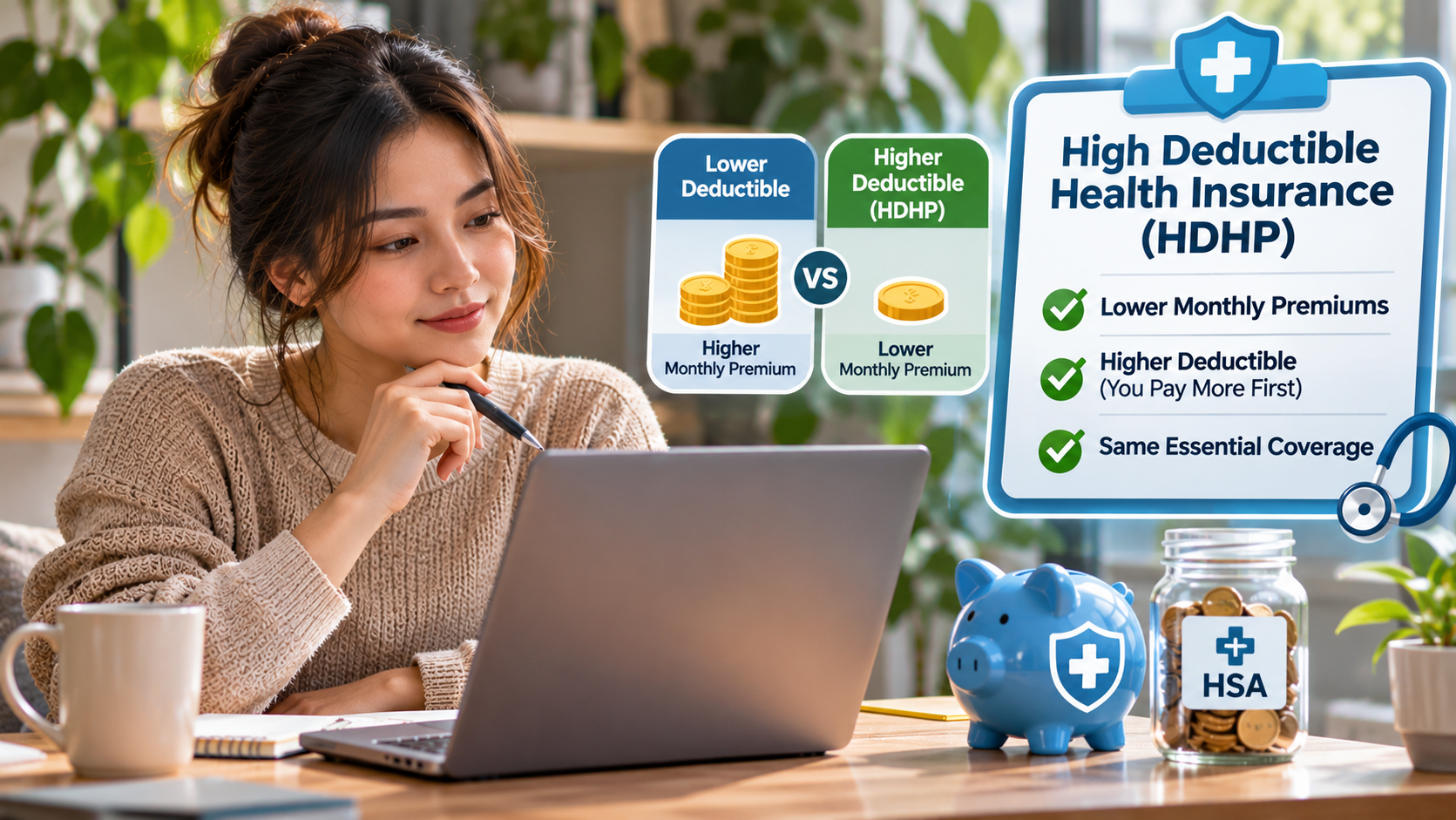
High Deductible Health Insurance Plans (HDHPs) are becoming increasingly popular among consumers seeking cost-effective health coverage. These plans often come with lower monthly premiums compared to traditional insurance, but with higher deductibles that policyholders must meet before insurance kicks in. Understanding how these plans work and their implications is crucial for anyone considering this option.
The increasing trend towards HDHPs reflects a shift in the healthcare landscape, pushing individuals to take charge of their health expenses while still maintaining access to necessary care. As healthcare costs continue to rise, more people are looking for ways to save on premiums and utilize health savings accounts (HSAs) effectively to manage their out-of-pocket expenses.
Understanding the Basics of High Deductible Health Insurance Plans
High Deductible Health Insurance Plans (HDHPs) are increasingly popular among consumers seeking to manage their healthcare costs. These plans are characterized by lower monthly premiums and higher deductibles compared to traditional health insurance policies. Understanding their fundamental features is crucial for anyone considering this type of coverage.
High Deductible Health Insurance Plans typically require policyholders to pay a significant amount out-of-pocket before the insurance coverage kicks in. The IRS defines a high deductible health plan for 2023 as one with a minimum deductible of $1,500 for individual coverage and $3,000 for family coverage. Once the deductible is met, the plan generally covers a substantial portion of healthcare costs. This setup contrasts with traditional insurance, where lower deductibles mean that the insurer starts paying for medical expenses sooner.
The implications of high deductibles on out-of-pocket costs are significant. While individuals enjoy lower premium payments, unexpected medical expenses can lead to higher overall costs. For example, if someone with an HDHP needs an emergency surgery costing $15,000, they will have to pay the full deductible amount before any insurance benefits apply. This scenario can be financially challenging, especially for individuals or families with limited savings.
Examples where high deductible health plans can be beneficial include:
Scenarios Benefitting from High Deductible Health Plans
In specific instances, HDHPs can offer substantial advantages, especially for those who are generally healthy and do not anticipate significant medical expenses. Here are some common scenarios:
- Young Adults: Typically in good health, young adults often benefit from lower monthly premiums, allowing them to allocate funds to other priorities.
- Health Savings Account (HSA) Usage: Many HDHPs pair with HSAs, enabling contributors to save pre-tax dollars for future medical expenses while also offering tax benefits.
- Preventive Care: Most HDHPs cover preventive services at no charge, encouraging regular check-ups and screenings without immediate costs.
By understanding these fundamental aspects and the unique scenarios where HDHPs can be advantageous, consumers can make informed decisions that align closely with their healthcare needs and financial situations.
Evaluating the Financial Impact of High Deductible Health Insurance Plans
High deductible health insurance plans (HDHPs) have gained popularity as a way to manage healthcare costs effectively. These plans typically feature lower monthly premiums compared to traditional plans with lower deductibles. While the out-of-pocket expenses may be higher, there are significant potential savings for policyholders who proactively manage their healthcare expenses. Understanding the financial implications of HDHPs can be essential for making informed choices in today’s healthcare landscape.
One of the most notable advantages of HDHPs is the potential savings on premium costs. Policyholders opting for these plans usually benefit from lower monthly premiums compared to those enrolled in plans with lower deductibles. For example, a typical HDHP might have a premium of $300 per month, while a traditional plan could charge $500. Over the course of a year, this difference translates to a saving of $2,400. However, it’s crucial to balance these premium savings against the higher deductible amounts, which can lead to significant out-of-pocket costs if unexpected medical incidents occur.
Several factors can influence the overall cost-effectiveness of high deductible plans, including premiums, deductibles, and the individual’s health status. For example, younger and healthier individuals might find HDHPs more appealing since they are less likely to need frequent medical care, allowing them to save significantly on premiums. In contrast, individuals with chronic conditions may face higher costs due to the high deductibles when seeking care. Additionally, the availability of Health Savings Accounts (HSAs) can play a critical role, as they allow individuals to set aside pre-tax dollars for qualified medical expenses, further enhancing the financial benefits of HDHPs.
To visualize the financial implications of different plans, here’s a comparison table showcasing various deductible plans and their financial impact based on income levels:
| Income Level | Plan Type | Monthly Premium | Annual Deductible | Out-of-Pocket Maximum |
|---|---|---|---|---|
| Low Income | HDHP | $200 | $1,500 | $5,000 |
| Middle Income | Traditional | $350 | $1,000 | $4,000 |
| High Income | HDHP | $300 | $2,500 | $6,000 |
The table illustrates how income levels and plan types can drastically alter the financial experience of policyholders. Understanding these details helps individuals determine which plan aligns best with their financial situations and healthcare needs. Evaluating the overall costs associated with both premiums and deductibles can empower policyholders to make educated decisions regarding their health insurance options.
Exploring the Role of Health Savings Accounts (HSAs) with High Deductible Plans
Health Savings Accounts (HSAs) have become an integral part of managing healthcare expenses, especially for individuals enrolled in high deductible health insurance plans. These accounts are designed to allow users to save money tax-free for medical expenses, providing a strategic financial advantage for those facing higher out-of-pocket costs due to their insurance plans.
HSAs work hand-in-hand with high deductible health insurance plans by empowering individuals to set aside funds specifically for qualifying medical expenses. With the growing prevalence of high deductible plans, which typically require higher out-of-pocket payments before insurance kicks in, HSAs offer a viable solution to help offset these costs. Contributions to HSAs can be made by individuals or their employers, and the funds can accumulate over time, which is beneficial for both short-term and long-term healthcare expenses.
Tax Benefits of Health Savings Accounts
The tax advantages of HSAs are a significant incentive for individuals considering high deductible health plans. Contributions made to an HSA are tax-deductible, meaning they reduce your taxable income for the year. Additionally, the money in the HSA grows tax-free, and withdrawals for qualified medical expenses are also tax-free. This triple tax advantage makes HSAs an attractive option for managing healthcare costs effectively.
Moreover, HSAs can help mitigate the financial burden associated with high deductibles in several ways. For instance, by using pre-tax dollars to pay for eligible healthcare costs, individuals effectively lower their overall tax liability while directly addressing their medical expenses. This can lead to significant savings over time, particularly for those who are proactive in managing their health care.
In addition to the tax benefits, HSAs are flexible and portable. Funds in the account roll over from year to year, meaning there is no “use it or lose it” rule as seen with some other types of accounts. This allows individuals to save for future medical needs, even if they switch jobs or insurance plans.
The following is a list of eligible expenses that can be paid for using HSA funds. Understanding these expenses can help individuals maximize the benefits of their HSAs:
- Doctor’s visits and copays
- Prescription medications
- Dental care expenses (e.g., cleanings, fillings)
- Vision care (e.g., glasses, contact lenses)
- Chiropractic services
- Acupuncture treatments
- Preventive care (e.g., vaccinations, screenings)
- Mental health services (e.g., therapy sessions)
- Medical equipment (e.g., crutches, bandages)
- Long-term care insurance premiums
- Over-the-counter medications (with a prescription)
By leveraging HSAs effectively, individuals with high deductible health plans can take charge of their healthcare finances. This strategic combination not only helps in managing current medical expenses but also supports financial stability in the face of unexpected health issues.
Analyzing the Advantages and Disadvantages of High Deductible Health Insurance Plans
High Deductible Health Insurance Plans (HDHPs) have become increasingly popular among individuals seeking affordable healthcare solutions. These plans typically feature lower monthly premiums alongside higher deductibles, which can provide significant cost savings for those who are generally healthy and do not anticipate frequent medical visits. However, understanding both the advantages and disadvantages of HDHPs is crucial for making informed decisions about your health coverage.
One of the primary benefits of opting for an HDHP is the substantial savings on monthly premiums. These plans often attract individuals looking to lower their overall healthcare expenses. For example, a traditional health insurance plan may require monthly premiums exceeding $400, while an HDHP could reduce that figure by as much as 30%, making it more budget-friendly for many families. Furthermore, HDHPs provide greater flexibility when it comes to healthcare spending, particularly since they are often paired with Health Savings Accounts (HSAs). These accounts allow individuals to set aside pre-tax dollars to pay for qualified medical expenses, thus creating a tax-advantaged way to save for future healthcare costs.
Challenges Faced by Individuals with High Deductibles
Despite the attractive lower premiums and flexibility, HDHPs come with notable challenges, particularly in emergency situations or for individuals with chronic health conditions. The high deductibles can lead to significant out-of-pocket expenses before insurance begins to cover costs, which can be financially daunting. For instance, in an emergency where immediate medical attention is needed, individuals may be forced to pay the full deductible upfront, which could range anywhere from $1,400 to $8,000 per year. This situation can create a barrier to accessing necessary care for those who may not have the available funds.
In addition to financial constraints, individuals may face difficulty in predicting their healthcare needs, leading to potential delays in seeking treatment. The fear of incurring high costs can deter individuals from visiting healthcare providers, which can exacerbate health issues over time.
“According to the Kaiser Family Foundation, more than 27 million people in the U.S. are enrolled in HDHPs, reflecting a growing trend as consumers opt for lower premiums despite the risks associated with high out-of-pocket costs.”
The choice of a high deductible health plan is a complex one, requiring careful consideration of both personal health needs and financial circumstances. While lower premiums and tax benefits can be appealing, the potential for significant out-of-pocket expenses in emergency situations remains a serious concern for many individuals.
Identifying Who Should Consider High Deductible Health Insurance Plans
High Deductible Health Insurance Plans (HDHPs) can be a valuable option for certain segments of the population. Understanding who might benefit most from these plans is crucial for making informed health insurance choices. Generally, individuals or families who are in good health, have a predictable income, and can afford to pay higher out-of-pocket costs may find HDHPs particularly advantageous.
Those who may benefit from HDHPs include younger individuals, healthy families, and individuals who do not frequent healthcare services. Young adults, typically under 30, often have less complex health needs and can take advantage of the lower premiums associated with HDHPs. Additionally, healthy families with minimal medical expenses can save on monthly premiums while using Health Savings Accounts (HSAs) to cover high deductibles.
Demographic Suitability for High Deductible Plans
When evaluating the demographic suitability of HDHPs, it is essential to consider their impact on families versus individuals. While both groups can potentially benefit, the dynamics of their healthcare needs and financial strategies may differ significantly.
Families often have more complex and varied healthcare requirements due to children and multiple dependents. However, if a family is healthy and does not have ongoing medical needs, an HDHP can help them save on premiums while providing a safety net for unexpected expenses. Conversely, individuals with chronic conditions or who require regular medical attention might find HDHPs less suitable, as they could face higher out-of-pocket costs.
The table below illustrates different profiles of potential enrollees and their respective needs for insurance:
| Profile | Insurance Needs | HDHP Suitability |
|---|---|---|
| Young Professionals | Minimal healthcare needs, regular check-ups | High |
| Healthy Families | Occasional doctor visits, preventive care | Moderate to High |
| Chronic Illness Patients | Frequent medical care and prescriptions | Low |
| Retirees | Increased medical needs, multiple prescriptions | Low to Moderate |
In summary, while HDHPs can serve as an effective solution for those with lower healthcare utilization, individuals and families with ongoing medical needs may find these plans less beneficial. The decision should be made considering personal health situations, risk tolerance, and financial capabilities.
Strategies for Managing Healthcare Costs with High Deductible Health Plans
High Deductible Health Plans (HDHPs) present both challenges and opportunities for managing healthcare costs. With higher out-of-pocket expenses, individuals need to adopt strategies that can help them navigate the complexities of their healthcare expenditures effectively. Proactive financial planning and informed decision-making are crucial in ensuring that healthcare costs remain manageable while still receiving necessary medical care.
One effective approach to managing costs under an HDHP is to take full advantage of preventive care services. Preventive care includes routine check-ups, vaccinations, screenings, and other proactive health measures that can catch potential health issues early. Regular visits to healthcare providers not only help in maintaining overall health but also serve to minimize unexpected medical expenses that might arise from untreated conditions. For example, a yearly health screening can identify high blood pressure or diabetes before they escalate into more serious and expensive health crises. By prioritizing preventive care, individuals can avoid higher treatment costs and hospitalizations down the line.
Resources and Tools for Managing Healthcare Expenses
To effectively track and manage healthcare expenses associated with an HDHP, individuals can utilize various resources and tools. These can aid in budgeting for medical costs, ensuring that policyholders are prepared for unexpected expenses. Below are some valuable resources:
- Health Savings Accounts (HSAs): HSAs allow individuals to set aside pre-tax money specifically for qualified medical expenses. Contributions, earnings, and withdrawals for eligible healthcare costs are tax-free, making HSAs an excellent way to save for high deductible expenses.
- Expense Tracking Apps: Utilizing apps such as Mint or YNAB (You Need A Budget) can help individuals keep track of their healthcare expenses, allowing for better budgeting and financial planning.
- Provider Cost Estimators: Many insurance providers offer online tools that estimate costs for various procedures and services. Using these tools can help individuals make informed decisions about their healthcare options and compare prices across different healthcare facilities.
- Wellness Programs: Many employers offer wellness programs that incentivize healthy behaviors. Engaging in these programs may lead to lower premiums or deductible costs, thus reducing overall healthcare expenses.
- Telehealth Services: Utilizing telehealth can provide access to healthcare professionals at a lower cost than in-person visits. Many insurance plans cover telehealth services, making it a convenient and budget-friendly option for non-emergency consultations.
Managing healthcare costs under a high deductible health plan requires proactive strategies and effective use of available resources. By focusing on preventive care and utilizing financial tools, individuals can navigate their healthcare expenses more effectively, ultimately leading to better health outcomes and financial well-being.
Navigating the Enrollment Process for High Deductible Health Insurance Plans
Enrolling in a high deductible health insurance plan (HDHP) can be a strategic move for individuals and families looking to manage their healthcare costs. Understanding the enrollment process is vital to ensure you make informed decisions that align with your health needs and financial situation. Here’s a step-by-step guide to help you navigate through the enrollment process effectively.
Step-by-Step Enrollment Guide
To successfully enroll in a high deductible health plan, you need to follow a structured process. Below are the key steps to guide you through:
- Research Available Plans: Begin by researching various high deductible health plans offered by insurers. Consider factors like premium costs, deductible amounts, and coverage options.
- Check Eligibility: Ensure you meet the eligibility criteria for the plans you’re interested in. This can include age, employment status, or income levels.
- Gather Required Documents: You will need specific documents and personal information such as your Social Security number, proof of income, and any existing health records.
- Compare and Contrast: Once you’ve gathered your documents, compare the plans side by side. Look for advantages like network size, out-of-pocket maximums, and copayment structures.
- Apply Online or via Phone: Fill out the application online on the insurer’s website or call their customer service to complete your enrollment. Make sure all information is accurate.
- Review Your Application: Before submitting, review your application carefully to avoid potential errors that could delay the process.
- Receive Confirmation: After applying, you will receive a confirmation email or letter. Keep this document for your records.
In the enrollment process, having the right documents is crucial for a smooth experience. Here’s a list of the necessary information:
- Personal identification (Social Security number or driver’s license)
- Income verification (pay stubs or tax returns)
- Existing health insurance information (if applicable)
- Dependent information (Social Security numbers for family members)
“Being prepared with the right documents can significantly reduce the chances of processing delays.”
Additionally, creating a flowchart can help visualize the enrollment process and highlight potential pitfalls to avoid. Imagine a simple diagram where the first step is “Research Plans,” leading to “Check Eligibility,” and so on, ultimately culminating in “Receive Confirmation.” This visualization helps identify critical transitions and common mistakes, such as not verifying eligibility or submitting incomplete information.
Understanding these steps can enhance your enrollment experience, making it a less daunting task. With careful planning and preparation, you can secure the right high deductible health plan that meets your health and financial needs.
Understanding Regulatory Considerations Related to High Deductible Health Plans
Navigating the regulatory landscape of high deductible health insurance plans (HDHPs) is essential for consumers looking to make informed choices about their health coverage. The regulations surrounding these plans have evolved significantly, particularly with the introduction of the Affordable Care Act (ACA), which aimed to enhance consumer protections and improve healthcare access. Understanding these regulations can empower consumers to choose plans that best fit their health and financial needs.
The regulatory environment of HDHPs is primarily shaped by federal laws, with the ACA playing a pivotal role. The ACA established minimum essential coverage standards, which HDHPs must meet to be considered qualified health plans. These plans are designed to provide lower premiums in exchange for higher deductibles, making them attractive to individuals who are generally healthy and do not anticipate high medical expenses.
Notably, the ACA mandates that all health plans, including HDHPs, must cover a set of essential health benefits without imposing cost-sharing for preventive services. This requirement ensures that consumers can access necessary preventive care, such as vaccinations and screenings, without facing substantial out-of-pocket costs. Additionally, the ACA prohibits lifetime and annual limits on essential health benefits, safeguarding consumers from unexpected financial burdens due to severe illnesses.
Recent Legislative Changes Impacting HDHP Consumers
Recent changes in legislation have also influenced consumer choices regarding HDHPs. For instance, the Consolidated Appropriations Act of 2021 introduced provisions aimed at increasing the affordability of health insurance, particularly for those opting for high deductible plans. One significant change was the enhancement of health savings accounts (HSAs), which allowed higher contribution limits and expanded eligibility for individuals enrolled in HDHPs. This enhancement enables consumers to set aside more pre-tax money for medical expenses, effectively lowering their overall healthcare costs.
Moreover, the Inflation Reduction Act of 2022 has implications for those on HDHPs, particularly concerning prescription drug coverage and out-of-pocket spending caps. These changes aim to create a more equitable healthcare system and reduce the financial strain on consumers.
Consumer protections available under these regulations are crucial for safeguarding health plan participants. These include:
- The right to access essential health benefits without annual or lifetime limits.
- Protection against denial of coverage based on pre-existing conditions.
- The right to appeal insurance company decisions regarding claims.
- Access to preventive services without cost-sharing.
- Transparency in pricing and the requirement for insurers to disclose out-of-pocket costs clearly.
Consumers should take advantage of these rights and protections when considering HDHPs, ensuring they make informed healthcare decisions that align with their financial and health needs.
End of Discussion
In summary, High Deductible Health Insurance Plans can be a beneficial choice for many individuals and families, particularly those who are financially savvy and prepared for potential healthcare costs. While they present unique challenges, the advantages of lower premiums and the ability to pair with HSAs make them an appealing option. Understanding how to navigate this type of insurance is essential in making informed decisions about health coverage.
Question & Answer Hub
What is a High Deductible Health Insurance Plan?
A High Deductible Health Insurance Plan is a type of health insurance that requires policyholders to pay a higher deductible before insurance coverage begins, generally offering lower monthly premiums.
Who should consider enrolling in an HDHP?
Individuals who are generally healthy, have minimal healthcare needs, or want to save on premiums while being able to contribute to an HSA may benefit the most from enrolling in an HDHP.
Can I use HSA funds for expenses other than medical bills?
Health Savings Account (HSA) funds can be used for a variety of qualified medical expenses, but they cannot be used for non-medical expenses without incurring taxes and penalties.
What happens if I don’t meet my deductible?
If you do not meet your deductible, you will be responsible for all of your healthcare costs, except for preventive services that are typically covered without requiring you to meet the deductible.
Are there annual limits on out-of-pocket expenses with HDHPs?
Yes, HDHPs are required to have annual out-of-pocket maximum limits, which cap the total amount you would pay in a calendar year for covered services.