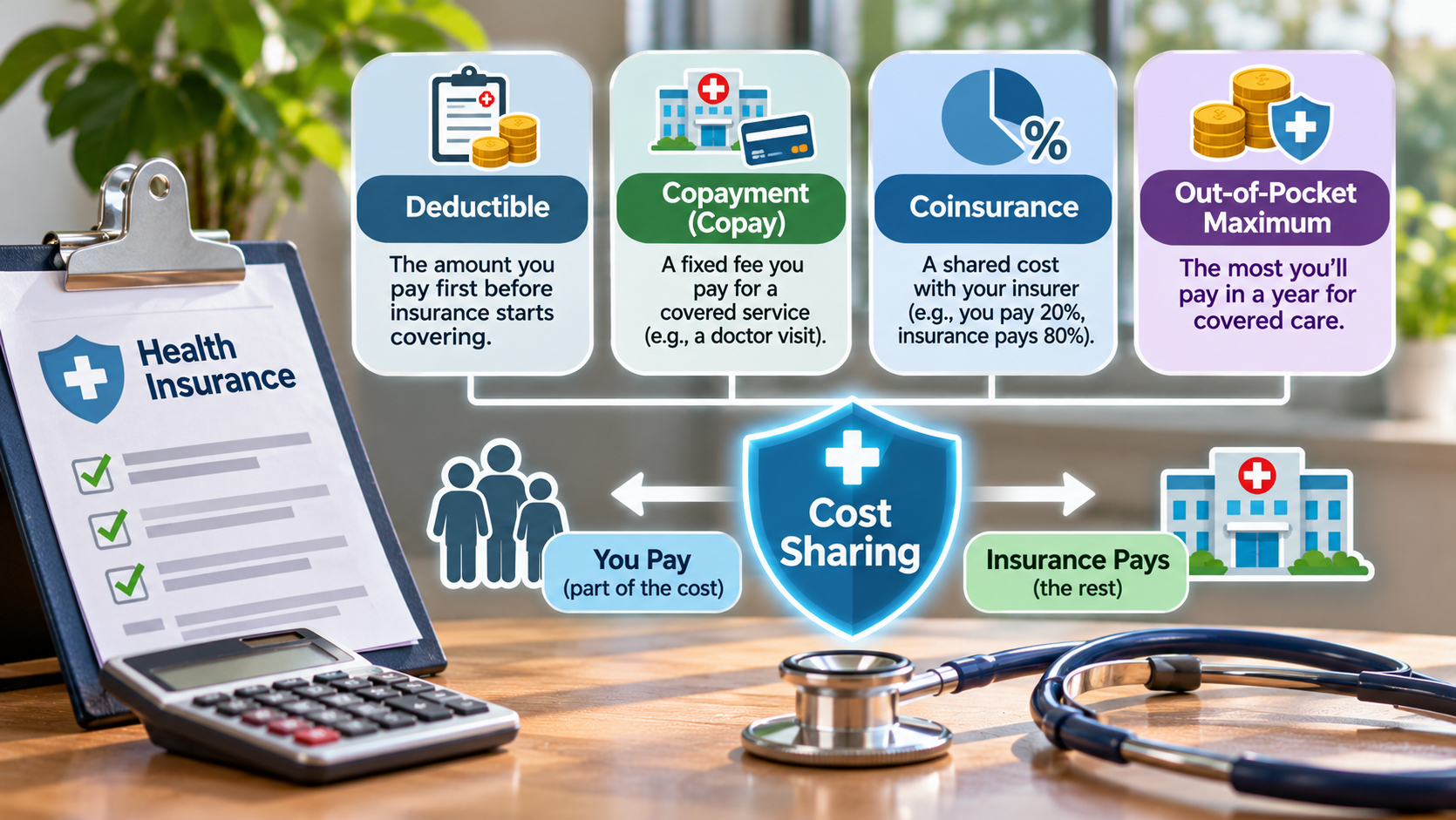
Health Insurance Cost Sharing Mechanisms entail various ways in which costs are divided between insurers and policyholders, shaping the financial landscape of healthcare. These mechanisms play a vital role in determining how much individuals pay out-of-pocket for medical services, impacting both access to care and overall health outcomes.
Understanding the fundamentals of these cost-sharing strategies, such as deductibles, copayments, and coinsurance, is essential for navigating the complexities of health insurance. As healthcare costs continue to rise, grasping how these mechanisms function can help consumers make informed decisions about their health plans and financial responsibilities.
Understanding the Fundamentals of Health Insurance Cost Sharing Mechanisms
Health insurance cost sharing mechanisms play a crucial role in determining how healthcare costs are distributed between insurers and policyholders. These mechanisms are designed to make healthcare more affordable while encouraging responsible use of medical services. By understanding the basic concepts and definitions surrounding cost sharing, individuals can better navigate their financial responsibilities when accessing healthcare services.
Cost sharing refers to the portion of healthcare expenses that insured individuals pay out-of-pocket, even when they have health insurance coverage. The key components of cost sharing include deductibles, copayments, and coinsurance. Each of these elements serves a distinct purpose within the healthcare system, influencing how costs are allocated and ultimately impacting the affordability of care.
Main Components of Health Insurance Cost Sharing Mechanisms
The main components of health insurance cost sharing mechanisms include:
- Deductibles: This is the amount that an insured individual must pay for healthcare services before their insurance coverage begins to contribute. For example, if a policy has a $1,000 deductible, the individual will be responsible for the first $1,000 of their medical expenses. This encourages consumers to be more mindful of their healthcare spending.
- Copayments: A copayment, or copay, is a fixed amount that an insured person pays for specific services, such as doctor visits or prescription medications. For instance, a plan may require a $20 copay for each visit to a primary care physician, making it easier for individuals to budget for routine healthcare needs.
- Coinsurance: This is the percentage of costs that an insured individual shares with their insurance provider after meeting the deductible. For example, if the coinsurance rate is 20%, the insured person pays 20% of the total medical bill, while the insurer covers the remaining 80%. This mechanism promotes shared responsibility for healthcare costs.
The importance of these cost sharing components cannot be overstated. They directly affect the financial responsibilities of insured individuals, influencing their decisions regarding healthcare utilization. High deductibles may deter some individuals from seeking necessary care, potentially leading to worse health outcomes. Conversely, lower out-of-pocket costs might encourage individuals to use healthcare services more freely.
Understanding these mechanisms is essential for effectively managing healthcare expenses and making informed choices about insurance plans.
Overall, health insurance cost sharing mechanisms are designed not only to distribute costs but also to foster a more efficient healthcare system by encouraging responsible use of services.
Types of Cost Sharing in Health Insurance Plans
Cost sharing is an essential aspect of health insurance plans that influences how much a patient pays out of pocket for healthcare services. Understanding the various types of cost sharing is crucial for managing healthcare expenses effectively. The primary forms of cost sharing include deductibles, copayments, and coinsurance. Each has distinct mechanisms and impacts on overall healthcare costs, which will be explored in detail below.
Deductibles
A deductible is the amount a policyholder must pay for healthcare services before their insurance begins to cover costs. This can significantly impact annual healthcare expenses, as higher deductibles generally mean lower premium costs but increased out-of-pocket expenses for care. For example, if you have a deductible of $1,000, you must pay that amount in healthcare costs before your insurance kicks in.
Many insurance plans cover preventive services, such as vaccinations and annual check-ups, without requiring the deductible to be met first. This encourages individuals to seek necessary preventive care. However, if an unexpected medical emergency arises, such as needing surgery, the patient must reach the deductible first, which can lead to substantial initial costs.
Understanding your deductible helps you budget for potential healthcare expenses effectively.
Copayments
Copayments, or copays, are fixed amounts that a patient pays for specific services at the time of care. This amount is typically Artikeld in the insurance policy and may vary based on the type of service received. For instance, a primary care visit may have a copay of $25, while a specialist visit could have a $50 copay.
Copayments serve as a form of cost sharing that provides patients with predictable, upfront costs for their healthcare services. For example, if you visit a specialist for a condition and have a $50 copay, this is the amount you’ll pay regardless of the total cost of the visit. While copays can provide a sense of financial security, they can also add up quickly, particularly if multiple visits or services are required within a short time frame.
Coinsurance
Coinsurance is a percentage of the costs of a healthcare service that the insured is responsible for paying after the deductible has been met. Unlike copayments, which are set amounts, coinsurance varies with the total cost of the service. For example, if your plan has a coinsurance rate of 20%, and you receive a $1,000 treatment, you would pay $200 after meeting your deductible.
This type of cost sharing can lead to significant variations in out-of-pocket expenses, especially for high-cost treatments or procedures. For instance, undergoing a major surgery could result in a considerable coinsurance payment, depending on the treatment’s total cost.
Coinsurance can lead to unexpected costs, making it essential to understand how your plan calculates these payments.
The implications of these cost-sharing mechanisms on overall healthcare expenses are profound. Patients must consider how each type of cost sharing affects their financial responsibility when accessing healthcare. By understanding deductibles, copayments, and coinsurance, individuals can make informed decisions about their healthcare and better prepare for potential expenses.
The Role of Employer-Sponsored Health Insurance in Cost Sharing
Employer-sponsored health insurance plays a crucial role in the American healthcare landscape, significantly influencing how cost-sharing mechanisms are structured. By providing health insurance benefits to employees, employers not only enhance employee satisfaction and retention but also help manage the financial burden associated with healthcare costs. This arrangement has become a cornerstone of the U.S. healthcare system, affecting both individual and organizational financial strategies.
One of the key contributions of employer-sponsored health insurance is the distribution of costs between employers and employees. Typically, employers will cover a substantial portion of premiums, which can lead to lower out-of-pocket expenses for employees when compared to individual health insurance plans. With individual plans, consumers often bear the full brunt of premium costs, leading to higher overall expenses. In contrast, employer-sponsored plans often feature tiered premiums where the employer pays a significant share, which can make the monthly cost more manageable for employees.
Differences in Cost Sharing Structures
The cost-sharing structures between employer-sponsored plans and individual plans vary significantly, impacting how employees manage their healthcare expenses. Here are some of the notable differences:
– Premium Contributions: In employer-sponsored plans, employers typically contribute a significant portion of the premium costs, often ranging from 60% to 80%. This contrasts with individual plans where the insured person is responsible for the entirety of the premium.
– Deductibles and Copayments: Employer-sponsored plans usually come with lower deductibles and copayments due to the pooling of risk among a larger group of employees. Individual plans may require higher deductibles, leading to greater out-of-pocket costs before insurance coverage kicks in.
– Network Access: Employer-sponsored plans often provide access to broader networks of healthcare providers, which can lead to reduced costs for members. Individual plans might restrict access to specific networks, resulting in higher costs if out-of-network services are utilized.
– Wellness Programs: Many employer-sponsored plans include wellness programs, incentives, and preventive care that can lower overall healthcare costs, whereas individual plans typically do not offer these benefits.
Employer contributions significantly influence cost-sharing responsibilities. When employers increase their contribution towards premiums, employees experience lower monthly payments and reduced financial stress related to out-of-pocket expenses. For example, a company that contributes 75% of the premium allows employees to retain a larger portion of their income for other expenses. Conversely, if employers reduce their contribution, employees may face increased financial burdens, potentially leading to higher rates of uninsured individuals or underinsurance.
Overall, employer-sponsored health insurance remains a vital mechanism in managing healthcare costs and fostering a healthier workforce.
Impact of Government Regulations on Health Insurance Cost Sharing
Government regulations play a pivotal role in shaping health insurance cost sharing mechanisms across various markets. These regulations are designed to ensure fairness, transparency, and accessibility in healthcare financing. They not only influence how costs are distributed between insurers and consumers but also set the framework within which insurance providers operate. By establishing guidelines for what constitutes essential health benefits and the maximum limits for out-of-pocket expenses, government policies significantly affect the financial dynamics of healthcare coverage.
One of the most notable pieces of legislation impacting health insurance cost sharing in recent years is the Affordable Care Act (ACA) enacted in 2010. This law introduced critical reforms aimed at expanding healthcare coverage and curbing rising costs. Key provisions include the requirement for insurers to cover a set of essential health benefits and limitations on out-of-pocket spending for consumers. These changes have fundamentally altered how cost sharing is structured, pushing for lower consumer costs and greater insurer accountability.
Another significant regulation is the Mental Health Parity and Addiction Equity Act (MHPAEA), which mandates that mental health and substance use disorder benefits be no less favorable than medical and surgical benefits. This legislation has encouraged insurers to reevaluate their cost-sharing structures, ensuring that consumers facing mental health challenges do not bear disproportionately high costs compared to other medical services.
The effects of these regulations are felt by both consumers and insurance providers. For consumers, the increased transparency and limitations on out-of-pocket expenses can lead to more predictable healthcare spending. Consumers are better able to plan for their healthcare costs, potentially increasing access to necessary services. However, these regulations can also result in higher premiums as insurers adjust to comply with the new rules.
Insurance providers are compelled to reassess their pricing models and benefit designs due to regulatory requirements. While this can lead to improved coverage options and consumer satisfaction, it may also create financial pressures that could lead to increased premiums or reduced provider networks.
Overall, government regulations play a crucial role in determining the balance between affordability for consumers and sustainable practices for insurance providers. They shape the landscape of health insurance cost sharing, ensuring that essential healthcare remains accessible while promoting accountability among insurers.
Consumer Behavior and Health Insurance Cost Sharing
Health insurance cost-sharing mechanisms, such as deductibles, copayments, and coinsurance, significantly influence consumer behavior regarding healthcare utilization. Understanding these mechanisms is essential to grasp how they shape decisions about seeking medical care. In general, higher out-of-pocket costs can lead consumers to delay or forgo necessary healthcare services, while lower costs may encourage more frequent healthcare visits.
Various psychological and financial factors play a role in shaping consumer choices related to healthcare. Financial constraints are often the most direct influence; when faced with high deductibles or significant copayments, consumers may evaluate the necessity of each medical visit based on their budget. For instance, a patient with a $5,000 deductible may postpone treatments or even skip routine check-ups to avoid immediate costs. Furthermore, the perception of value affects decisions. When consumers believe that a service will improve their quality of life or health significantly, they may be more willing to incur costs. Conversely, if the perceived benefit is low, they might choose to avoid the expense altogether.
The level of cost-sharing can lead to markedly different healthcare-seeking behaviors among patients. For example, a study by the Kaiser Family Foundation indicated that individuals with high-deductible health plans were more likely to defer care, particularly preventative services, due to the financial burden. This behavior is exacerbated among low-income individuals who already face economic hardships, leading to increased health disparities.
Another instance can be observed in the context of prescription medications. When patients encounter high copays, they may opt for generic alternatives or choose not to fill their prescriptions, which can ultimately compromise their health outcomes. The decision to prioritize or deprioritize care based on cost-sharing mechanisms illustrates a direct correlation between out-of-pocket expenses and consumer behavior.
Understanding consumer behavior in the context of health insurance cost sharing is crucial for creating policies that encourage appropriate healthcare utilization.
Using tiered copayment structures can also influence behavior. For instance, when patients are given lower copays for using in-network providers versus out-of-network ones, they are more likely to seek care from in-network facilities. This not only eases the financial burden on patients but also helps insurers manage costs more effectively.
In summary, the interplay between consumer behavior and health insurance cost-sharing mechanisms is complex, driven by both psychological factors such as perceived value and financial factors like out-of-pocket costs. Understanding these dynamics is key to promoting more effective healthcare utilization and addressing the challenges posed by rising healthcare costs.
The Future of Health Insurance Cost Sharing Mechanisms
As the healthcare landscape continues to evolve, the mechanisms for cost sharing in health insurance are also expected to adapt significantly. This evolution will likely be driven by changes in consumer behavior, advancements in technology, and a shifting public policy environment. The challenge will be to create a cost-sharing framework that maintains affordability while ensuring access to high-quality care.
One of the most noticeable trends in the future of health insurance cost sharing mechanisms will be the integration of technology. With the rise of telehealth and digital health platforms, consumers are increasingly taking control of their healthcare choices. This shift will push insurers to implement more flexible cost-sharing structures that cater to the preferences of tech-savvy consumers. For instance, utilizing artificial intelligence and data analytics, insurers can personalize plans based on individual health needs, leading to tailored cost-sharing models that reward healthy behaviors while managing risks more effectively.
Technological Advancements Impacting Cost Sharing Structures
Technological innovations are poised to reshape the way health insurance cost sharing is structured. The adoption of health tech solutions can lead to more transparent pricing and real-time data sharing between consumers and providers. Here are some key advancements that will likely influence cost-sharing mechanisms:
- Blockchain Technology: This technology can enhance transparency in healthcare transactions, ensuring that consumers have access to clear information regarding their costs and coverage options.
- Wearable Health Devices: Insurers may incorporate data from wearables in cost-sharing models, offering incentives for users who maintain healthy lifestyles, thus reducing overall healthcare costs.
- Telemedicine Integration: As telehealth services become more prevalent, insurers may lower co-pays for virtual consultations, making healthcare more accessible and cost-effective.
- Predictive Analytics: Advanced analytics can identify high-risk populations, allowing insurers to develop targeted interventions and cost-sharing models that address specific health needs efficiently.
In addition to technological changes, the future landscape of health insurance cost sharing will also be influenced by shifts in public policy. Legislative measures aimed at healthcare reform can drastically alter cost-sharing structures and how insurance companies operate. For example, mandates for greater transparency in pricing, such as the requirement for insurers to disclose actual costs to consumers before treatment, could reshape consumer expectations and behavior significantly.
Public policy initiatives that encourage value-based care models can further impact cost sharing. Under these models, healthcare providers are incentivized to deliver high-quality care rather than simply increasing the volume of services. Consequently, insurers might revise cost-sharing arrangements to favor preventive care and management of chronic diseases, thus fostering a healthier population and reducing overall expenses.
In conclusion, the future of health insurance cost sharing mechanisms will likely see a blend of technological innovation and responsive public policy. These changes will aim to create a more efficient, transparent, and consumer-friendly environment that prioritizes both health and affordability.
Global Perspectives on Health Insurance Cost Sharing
Health insurance cost sharing mechanisms vary significantly across the globe, reflecting each country’s unique healthcare system, cultural values, and economic conditions. These mechanisms, which typically include deductibles, copayments, and coinsurance, play a crucial role in balancing the financial responsibilities of healthcare between insurers and patients. Understanding these variations can provide insights into their effectiveness and the cultural perceptions that shape how these systems operate.
The effectiveness of health insurance cost sharing mechanisms is influenced by various factors, including the structure of the healthcare system, government involvement, and socio-economic conditions. For instance, in the United States, the employer-sponsored insurance model often includes high deductibles and substantial out-of-pocket costs, which can deter individuals from seeking necessary medical care. Conversely, in countries like the United Kingdom, where the National Health Service (NHS) operates, there is minimal cost sharing for most services, leading to higher utilization rates of healthcare services without the barrier of significant out-of-pocket costs.
Comparative Analysis of Cost Sharing Models
Exploring diverse cost-sharing models reveals the strengths and weaknesses inherent in different systems. Each model is shaped by the cultural context in which it exists, influencing public perception and effectiveness.
- Sweden: Known for its universal healthcare system, Sweden employs a low-cost sharing model. While patients pay a small fee for doctor visits and prescriptions, costs are capped annually, ensuring that no individual faces catastrophic healthcare expenses. This approach promotes access to healthcare services, reflecting the Swedish value of equity and collective responsibility.
- Germany: Germany utilizes a dual system of public and private insurance. Statutory health insurance includes modest cost sharing, such as a percentage of the cost for certain services. Cultural attitudes towards risk and individual responsibility shape the acceptance of cost sharing, as many Germans value the balance of solidarity and personal accountability in healthcare.
- Japan: Japan’s health insurance system requires individuals to share a portion of their medical costs, typically around 30% for outpatient services. However, the government ensures that low-income individuals receive exemptions or reduced fees. The cultural emphasis on health and longevity drives acceptance of this model, as citizens are encouraged to take personal responsibility for their health while still having access to affordable care.
- Australia: The Australian Healthcare system combines public and private options, with Medicare covering a significant portion of healthcare costs. While patients may incur some out-of-pocket expenses, the government regulates these fees to prevent excessive burden. Australians generally support cost sharing as a way to maintain high-quality services and ensure sustainability within the system.
Cultural differences significantly influence how cost sharing is perceived and implemented globally. In collectivist societies, such as those in Scandinavia and parts of Asia, there is often a strong belief in the government’s role in ensuring health equity, leading to lower levels of cost sharing. In contrast, individualistic cultures, like the United States, may favor personal responsibility and choice, resulting in higher cost-sharing requirements.
“The effectiveness of health insurance cost sharing is not merely a function of financial models but is deeply intertwined with cultural values and societal expectations.”
Successful cost-sharing models often demonstrate a blend of equity and efficiency, ensuring that healthcare remains accessible while encouraging responsible utilization. Countries that achieve this balance tend to foster a more positive perception of cost-sharing mechanisms among their populations, ultimately leading to better health outcomes and increased satisfaction within the healthcare system.
Closure
In summary, Health Insurance Cost Sharing Mechanisms are pivotal in balancing the financial responsibilities of insurers and insured individuals. As we move towards a more complex healthcare environment, recognizing the implications of these mechanisms will empower consumers to better manage their health expenses and advocate for their needs.
FAQ Section
What is cost sharing in health insurance?
Cost sharing refers to the portion of healthcare costs that insured individuals are responsible for paying out-of-pocket, including deductibles, copayments, and coinsurance.
How do deductibles work?
A deductible is the amount an insured individual must pay for healthcare services before their insurance begins to cover costs. For example, if your deductible is $1,000, you pay for the first $1,000 of your medical expenses.
Are copayments and coinsurance the same?
No, a copayment is a fixed amount paid for a specific service, like $20 for a doctor’s visit, while coinsurance is a percentage of the total cost, such as 20% of a hospital bill.
Can cost sharing affect my healthcare choices?
Yes, higher costs due to cost sharing can deter individuals from seeking necessary medical care or lead them to delay treatment, which can have negative health outcomes.
What role do employers play in cost sharing?
Employers often sponsor health insurance plans that define the cost-sharing structure, which can include contributions toward premiums, deductibles, and out-of-pocket maximums, significantly affecting employee healthcare expenses.