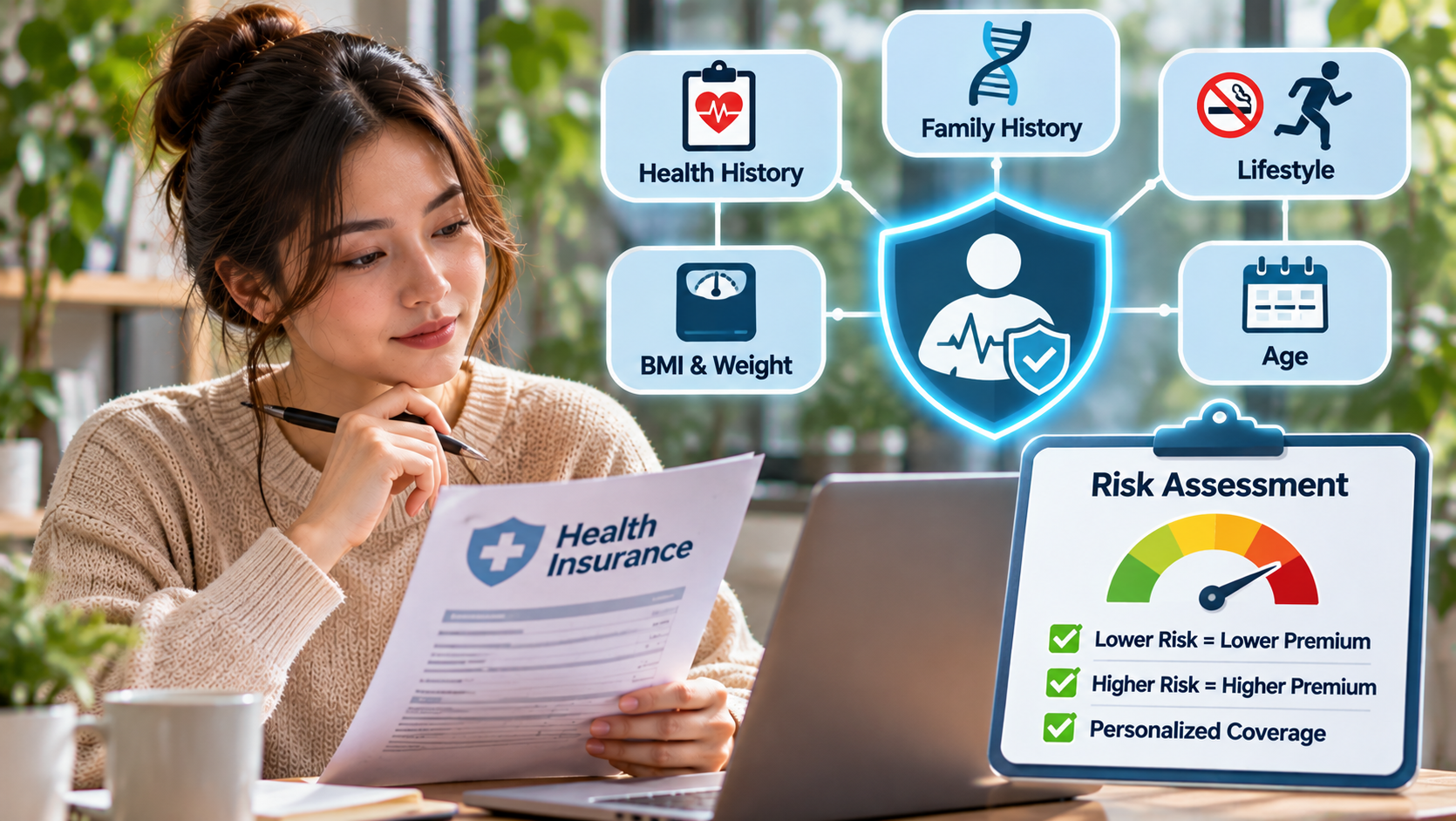
Individual Health Insurance Risk Assessment serves as the foundation for understanding how personal health attributes influence insurance decisions. By examining various risk factors, both insurers and applicants can engage in a more informed process that reflects individual health realities. This exploration highlights the significance of accurately assessing risks to align insurance coverage with the unique needs of each person.
The risk assessment process involves critical evaluations of health histories, lifestyle choices, and genetic predispositions. These elements not only help insurers determine premiums but also ensure that policyholders receive the appropriate care and coverage tailored to their personal health status.
Understanding the Fundamentals of Individual Health Insurance Risk Assessment
In the realm of individual health insurance, risk assessment plays a pivotal role in determining premium rates, coverage options, and overall policy conditions. Understanding the fundamental concepts behind this process is essential for both consumers and providers. Risk assessment helps insurance companies evaluate and quantify the likelihood of an individual requiring medical care, which in turn influences how policies are structured and priced.
At the heart of individual health insurance risk assessment lies the evaluation of various risk factors associated with a potential policyholder. Insurance providers typically analyze a combination of demographic information, medical history, and lifestyle choices. This comprehensive evaluation allows insurers to predict potential healthcare costs and establish a risk profile for each applicant. For instance, factors such as age, gender, pre-existing health conditions, and lifestyle choices, such as smoking or physical activity level, are considered during the assessment process.
Importance of Risk Assessment in Individual Health Insurance Policies
Risk assessment significantly impacts the insurance landscape by ensuring that premiums reflect the actual risk posed by each insured individual. By accurately assessing risk, insurers can maintain financial stability while offering competitive rates to low-risk applicants. This process is crucial in promoting fairness in the insurance system, as it prevents low-risk individuals from subsidizing the costs associated with high-risk members.
For example, a 45-year-old male smoker with a history of heart disease will likely face higher premiums compared to a 30-year-old female non-smoker with no significant medical history. Insurance providers utilize data analytics and statistical models to determine these risk factors and their potential financial implications.
To further understand how risk factors are evaluated, consider the following categories commonly assessed by insurance providers:
- Demographic Information: Age and gender significantly influence health risk. Younger individuals generally pose less risk compared to older individuals.
- Medical History: A detailed review of previous medical conditions, surgeries, and ongoing treatments helps in predicting future healthcare needs.
- Lifestyle Choices: Factors like smoking, alcohol consumption, diet, and exercise habits are critical in determining an applicant’s health risk profile.
- Family Medical History: A family background of certain diseases can indicate potential risks for genetic conditions that may affect an individual’s health.
Effective risk assessment not only helps in setting premiums but also ensures that individuals receive appropriate coverage options that align with their unique health profiles.
Insurance companies may also employ additional tools, such as predictive modeling and telemedicine, to enhance their risk assessment efforts. These tools help in gathering real-time data, which can be invaluable for obtaining a more accurate picture of an individual’s health status and potential risks. By leveraging technology and data analytics, insurers can refine their assessment processes, ultimately leading to more personalized and equitable health insurance solutions.
Identifying Risk Factors in Health Insurance
When it comes to individual health insurance, understanding the risk factors involved is crucial for both insurers and policyholders. Insurers assess various elements of a person’s health and lifestyle to determine the likelihood of future medical expenses. These risk factors help insurance companies price their premiums and make coverage decisions.
A comprehensive evaluation of risk factors typically includes age, health history, lifestyle choices, and genetic predispositions. Each of these elements plays a significant role in how insurers perceive individual health risks. For instance, older individuals may face higher risks due to age-related health issues, while those with pre-existing conditions may present a different set of challenges.
Common Risk Factors Considered in Health Insurance
Understanding the various risk factors can help individuals comprehend how their health and lifestyle choices impact their insurance options. Below are the most common risk factors that play a significant role in health insurance assessments:
- Age: Older age groups often encounter an increase in health-related risks, leading to higher premiums.
- Health History: A personal or family history of chronic illnesses, such as diabetes, heart disease, or cancer, can heighten perceived risk.
- Lifestyle Choices: Factors like smoking, alcohol consumption, and physical activity levels are critical. Unhealthy habits can increase risk significantly.
- Genetic Predispositions: Genetic markers or family history of certain health conditions can indicate potential future health risks.
- Body Mass Index (BMI): A higher BMI may correlate with increased risks of various health conditions, which insurers take into account.
- Medication Usage: Ongoing treatments and medications may indicate underlying health issues that affect risk assessment.
- Occupational Risks: Jobs with higher exposure to health risks (e.g., hazardous materials) can lead to increased premiums.
Medical exams and questionnaires are essential tools in the risk assessment process. Insurers often require these assessments to gather detailed information about an individual’s health status. Typical components include:
“Evaluations through medical exams and questionnaires provide insurers with a clearer picture of an individual’s health, allowing for more accurate risk assessments.”
Medical exams may consist of blood tests, physical exams, and other diagnostic procedures that offer quantitative data on an applicant’s health. Meanwhile, questionnaires facilitate a qualitative understanding by asking about medical history, lifestyle choices, and family health background. This dual approach allows insurers to paint a comprehensive picture of potential health risks, ensuring that both the insurer and the insured have a fair understanding of the coverage needed.
The Process of Risk Assessment in Individual Health Insurance
The risk assessment process in individual health insurance is a critical component that determines the eligibility and premium rates for applicants. This process allows insurance companies to evaluate the likelihood of insuring an individual based on their health risks. Understanding this process helps applicants grasp how their health status influences their insurance costs.
The assessment typically follows a structured approach that includes several key stages. Each stage plays a vital role in gathering information and making informed decisions about coverage and premium pricing. Below is a detailed overview of the stages involved in the risk assessment process:
Stages of Risk Assessment
The risk assessment process consists of distinct stages, each crucial for determining the overall risk associated with an applicant. The following chart Artikels these stages:
| Stage | Description |
|---|---|
| Application Submission | The applicant provides personal information, including health history and lifestyle choices. |
| Initial Review | The insurer conducts a preliminary review of the application to identify any obvious risks. |
| Medical Underwriting | In-depth health evaluations are performed, often requiring medical records or exams. |
| Risk Classification | Applicants are categorized into risk groups based on the information collected. |
| Premium Calculation | Based on the risk classification, premiums are calculated to reflect the assessed risk level. |
| Policy Issuance | If approved, the insurance policy is issued, detailing coverage terms and premium amounts. |
Each stage provides essential insights into the applicant’s health and potential risks. The process is not only systematic but also emphasizes the significance of underwriting in determining premiums.
“Underwriting is the backbone of risk assessment, as it involves evaluating applicants to set appropriate premium rates based on their health risks.”
Underwriting is pivotal in the risk assessment process, as it helps insurers quantify and manage the risks they take on by providing coverage. A thorough underwriting process enables insurance companies to determine premium rates that accurately reflect the likelihood of claims being made. For instance, individuals with pre-existing conditions, such as diabetes or heart disease, may be classified into higher risk categories, leading to higher premiums compared to healthier applicants. Conversely, applicants with a clean bill of health may benefit from lower premiums.
By understanding the detailed steps involved in the risk assessment process, applicants can better appreciate how their health and lifestyle choices impact their insurance options and costs.
The Role of Technology in Health Insurance Risk Assessment
The integration of technology into health insurance risk assessment has significantly reshaped how insurers evaluate potential risks associated with individual applicants. With the advent of sophisticated data analytics and innovative software solutions, health insurers are better equipped to make informed decisions, streamline their processes, and enhance customer experiences. This technological evolution has paved the way for more accurate assessments and improved risk management strategies.
The impact of data analytics and technology on the risk assessment process in health insurance is profound. By leveraging vast amounts of data—from medical history and lifestyle choices to genetic information—insurers can build comprehensive profiles of applicants. Advanced algorithms analyze these data points to identify patterns and predict future health risks more accurately than traditional methods. This not only enables insurers to assess the likelihood of claims but also helps in tailoring policies to individual needs, promoting personalized coverage options.
Innovative Tools and Software Transforming Assessment Methods
Innovative tools and software are revolutionizing traditional health insurance assessment methods, making them more efficient and precise. These technologies streamline the underwriting process, allowing for quicker decision-making and enhanced accuracy in risk evaluation. Some key advancements include:
- Predictive Analytics Platforms: These tools utilize machine learning algorithms to predict health outcomes based on historical data, allowing insurers to assess risks proactively. For instance, companies like Oscar Health have implemented predictive analytics to improve their underwriting processes, resulting in more tailored health plans for their members.
- Telemedicine and Remote Monitoring: With the rise of telehealth services, insurers can gather real-time health data from patients through wearable devices and mobile apps. This ongoing monitoring helps insurers adjust risk assessments dynamically, providing a more accurate picture of an individual’s health status over time.
- Health Risk Assessment Software: Customized software solutions facilitate direct assessments by guiding applicants through questionnaires that evaluate their health status and lifestyle habits. Tools like Aetna’s Health Assessment enable users to receive personalized feedback, helping insurers gather necessary data efficiently.
Successful technology implementations in individual health insurance risk assessment have shown remarkable results, showcasing the power of integrating technology with traditional practices. One notable example is the use of IBM Watson in health insurance. This technology analyzes vast datasets to offer insights into patient care and risk prediction, empowering insurers to make data-driven decisions. Similarly, companies like Anthem have embraced artificial intelligence to refine their underwriting processes, leading to reduced processing times and enhanced customer satisfaction. These instances highlight how technology not only improves risk assessments but also fosters innovation within the health insurance industry.
Legal and Ethical Considerations in Risk Assessment
The landscape of individual health insurance is intricately linked with various legal and ethical frameworks that shape risk assessment practices. Insurers must navigate a complex web of regulations while considering the ethical implications of their decisions. This section delves into the legal statutes governing risk assessments and the ethical dilemmas insurers face, emphasizing the need for transparency and fairness.
Legal Frameworks Governing Risk Assessment Practices
A diverse array of legal frameworks regulates individual health insurance risk assessment practices. These frameworks are designed to protect consumers, promote fair competition, and ensure that insurers assess risks in a standardized manner. Key pieces of legislation include:
- Health Insurance Portability and Accountability Act (HIPAA): This U.S. law establishes standards for protecting sensitive patient information and governs how insurers collect and use health data during the risk assessment process.
- Affordable Care Act (ACA): This legislation prohibits discrimination based on pre-existing conditions, requiring insurers to assess risk without penalizing individuals for their health history.
- State Insurance Regulations: Each state has its own laws and regulations that guide how insurers can assess risk and set premiums, ensuring local compliance and consumer protection.
The legal obligations in these frameworks necessitate that insurers conduct thorough and fair assessments while safeguarding personal health information.
Ethical Dilemmas in Risk Assessment
Insurers frequently encounter ethical dilemmas during the risk assessment process, which can impact their decision-making and overall public perception. Some common ethical challenges include:
- Information Asymmetry: Insurers often possess more information about the risk assessment process than applicants, which can lead to potential exploitation or misunderstandings.
- Discrimination Concerns: The potential for unintentional discrimination against individuals with certain health conditions or demographic characteristics can arise, challenging the ethical integrity of the assessment process.
- Balancing Profit and Responsibility: Insurers face the challenge of managing profitability while also ensuring that they provide coverage to those in need, particularly high-risk individuals.
Addressing these dilemmas requires a thoughtful approach that prioritizes ethical considerations alongside financial viability.
Importance of Transparency and Fairness in Assessment Practices
Transparency and fairness are vital components of ethical risk assessment practices. Insurers that prioritize these principles not only enhance their reputation but also build trust with consumers. The significance of transparency and fairness can be summarized as follows:
Transparency fosters trust, while fairness ensures equity in access to health coverage.
Key aspects that underscore the importance of these principles include:
- Clear Communication: Insurers should clearly communicate the criteria and processes used for risk assessment, ensuring applicants understand how their information will be utilized.
- Equitable Treatment: All applicants should be assessed based on the same criteria, minimizing biases that could disadvantage certain groups.
- Access to Information: Providing applicants with access to their own health data and the rationale behind underwriting decisions can enhance transparency.
Incorporating these principles into risk assessment practices not only helps insurers comply with legal requirements but also promotes a fairer and more equitable health insurance landscape.
The Future of Individual Health Insurance Risk Assessment
As the landscape of healthcare continues to evolve, the methods employed in individual health insurance risk assessment must also adapt. The rise of technology, changes in consumer behavior, and an increasing emphasis on personalized healthcare are set to reshape how risk assessments are conducted. This evolution is not just about improving efficiency but also about enhancing the accuracy of assessments and ultimately benefiting both consumers and insurers.
One significant trend in the health insurance industry is the integration of technology into the risk assessment process. As insurers look to improve their analytical capabilities, new advancements are emerging. These changes promise to streamline operations, enhance the understanding of individual risk profiles, and provide a more tailored insurance product.
Anticipated Technological Advancements in Risk Assessment
The future of individual health insurance risk assessment will be heavily influenced by various technological advancements. Below is a structured overview of these anticipated changes:
- Artificial Intelligence (AI) and Machine Learning: AI algorithms can analyze vast datasets to identify patterns and trends that human analysts might miss. This can lead to more accurate risk assessments based on individualized health data.
- Wearable Technology: Devices such as smartwatches and fitness trackers provide real-time health monitoring. Insurers can leverage this data to better understand the health behaviors of their clients, refining risk profiles accordingly.
- Telemedicine: The rise of virtual consultations allows insurers to gather health information that may not be captured in traditional assessments, providing a more holistic view of an individual’s health.
- Big Data Analytics: The ability to process and analyze large volumes of data will enable insurance companies to enhance their predictive modeling, leading to more accurate risk evaluations based on comprehensive health metrics.
- Blockchain Technology: By utilizing blockchain for secure patient data sharing, insurers can ensure that the information used in risk assessments is accurate and up-to-date, enhancing trust and reliability in the process.
The implications of these technological advancements for consumers and insurance providers are profound. For consumers, the integration of wearable technology and telemedicine means that they can expect more personalized insurance products that consider their unique health profiles. This could result in more competitive premiums for healthier individuals and those who actively monitor their health.
On the other hand, insurance providers can benefit from enhanced risk assessment accuracy, leading to better underwriting practices and potentially reduced losses. Improved data analytics also allows for more targeted marketing strategies, helping insurers to better serve their existing clients and attract new ones.
As we look to the future, it’s clear that the health insurance landscape will undergo significant transformation, driven by technology and changing consumer expectations.
“The integration of technology into health insurance risk assessment will not only increase accuracy but also foster a more personalized insurance experience.”
Comparative Analysis of Risk Assessment Methods
The landscape of individual health insurance risk assessment has evolved significantly over the years. Traditional methods often relied on basic demographic and health information, while modern techniques incorporate advanced data analytics, machine learning, and broader datasets. This evolution has led to a need for a comparative analysis of these two approaches to understand their respective strengths and weaknesses.
The comparison between traditional and modern risk assessment methods showcases how far the industry has come and highlights opportunities for improvement. While traditional methods focus primarily on past health history and demographic data, modern approaches leverage technology, providing insurers with more complete risk profiles. Below is a detailed analysis of each method, organized into a table for clarity.
Strengths and Weaknesses of Risk Assessment Methods
The following table summarizes the strengths and weaknesses of both traditional and modern risk assessment methods, emphasizing their implications for insurers and applicants alike.
| Method | Strengths | Weaknesses |
|---|---|---|
| Traditional Methods |
|
|
| Modern Methods |
|
|
The combination of both traditional and modern risk assessment methods can enhance the overall effectiveness of the process. By integrating the straightforward and established frameworks of traditional methods with the sophisticated analytics of modern techniques, insurers can create a more balanced approach. This hybrid strategy allows for comprehensive risk evaluations, ensuring that both sides – insurers and applicants – benefit from the strengths of each method.
For instance, traditional methods can serve as a foundational step to collect initial health information, while modern methods can refine this data through advanced analytics, resulting in a nuanced risk profile. Insurers could leverage traditional assessments for basic eligibility, while employing modern techniques to adjust premiums based on more precise risk evaluations. This comprehensive approach can result in improved outcomes, fostering trust and transparency in the insurance process.
Ultimate Conclusion
In conclusion, the landscape of Individual Health Insurance Risk Assessment is evolving to embrace technology and ethical considerations, paving the way for a more transparent and effective evaluation process. As we look towards the future, adapting to emerging trends will be essential for both consumers and insurers alike, ensuring that health insurance continues to meet the dynamic needs of individual policyholders.
FAQ
What is the purpose of risk assessment in health insurance?
The purpose of risk assessment is to evaluate an individual’s health status and determine the appropriate insurance coverage and premiums based on that assessment.
How do insurers use medical exams in risk assessment?
Insurers use medical exams to gather comprehensive health information that helps identify risk factors and determine the applicant’s eligibility and premium rates.
Can lifestyle changes impact my insurance premiums?
Yes, lifestyle changes such as improved diet, exercise, or quitting smoking can positively affect your risk profile and potentially lower your premiums.
Are there any ethical concerns in the risk assessment process?
Yes, ethical concerns include ensuring fairness, transparency, and avoiding discrimination based on health status, age, or genetic information during the assessment process.
What role does technology play in risk assessment?
Technology enhances risk assessment by improving data analytics, streamlining processes, and allowing for more accurate evaluations of individual health risks.