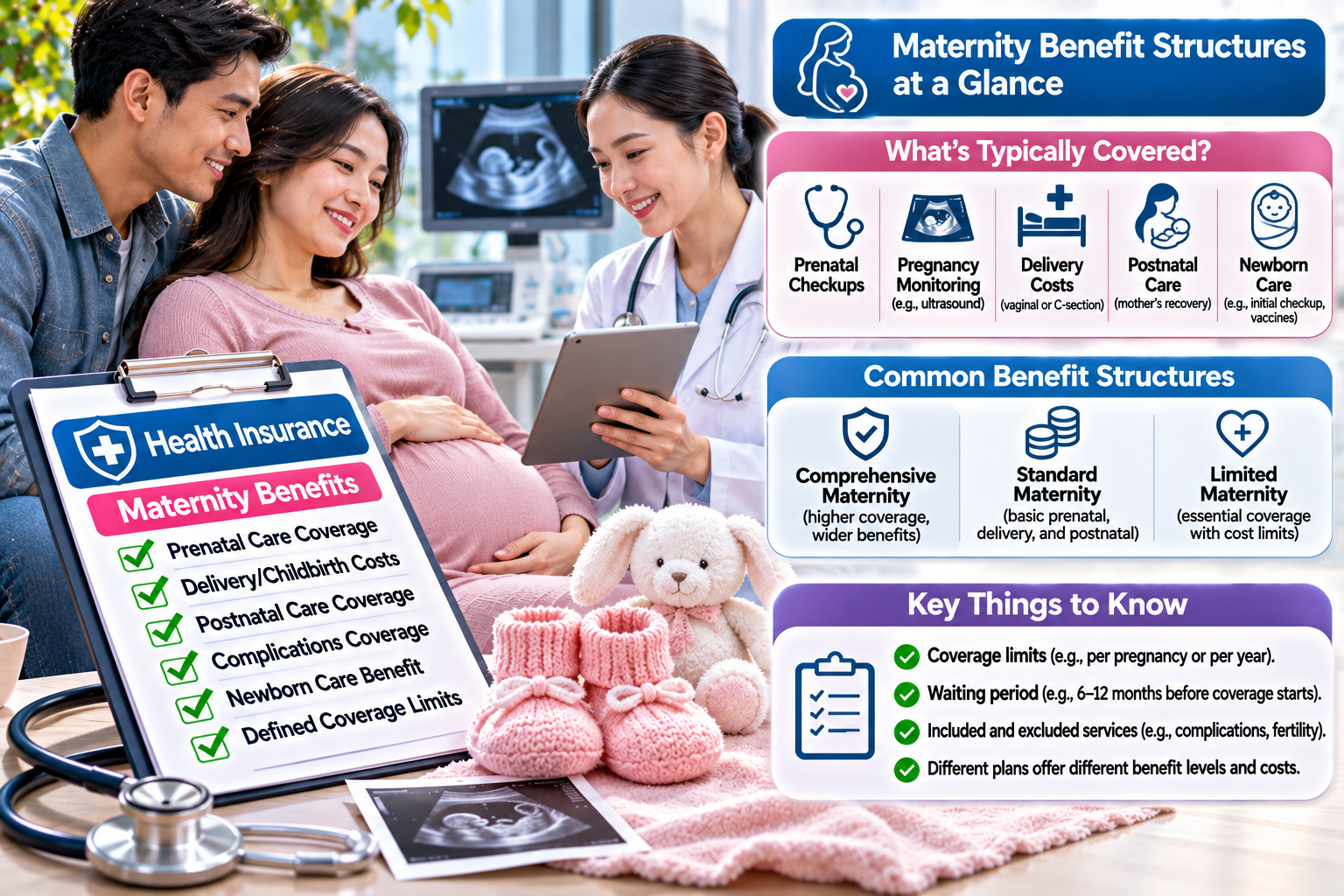
Health Insurance Maternity Benefit Structures play a crucial role in ensuring that expectant parents receive the support they need during one of life’s most significant transitions. With a myriad of health insurance plans available, understanding the various maternity benefits can feel overwhelming. From coverage duration to government regulations, this topic is ripe for exploration, offering valuable insights for parents-to-be.
This discussion will delve into the foundational components of maternity benefits, explore the influence of regulations, compare offerings across different plans, and highlight common exclusions and optional enhancements. As we navigate through these complexities, expectant parents will be better equipped to make informed decisions about their maternity coverage.
Understanding the Basic Framework of Maternity Benefits in Health Insurance
Maternity benefits in health insurance are an essential component for expectant parents, providing financial support during one of life’s most significant transitions. These benefits help cover the costs associated with pregnancy, childbirth, and postpartum care, ensuring that families can focus on welcoming their new addition without overwhelming financial stress. The structure of these benefits can vary greatly between different health insurance providers, but there are fundamental components that typically define maternity coverage.
The basic framework of maternity benefits generally includes several key components. Most health insurance plans that offer maternity coverage will encompass prenatal care, delivery expenses, and postpartum care. Each aspect plays a crucial role in ensuring the health of both mother and child throughout the pregnancy journey.
Coverage Duration and Types of Expenses Covered
The coverage duration for maternity benefits usually extends from the prenatal period through the postpartum phase. Typically, this duration may include:
- Prenatal Care: Regular check-ups and screenings during pregnancy, which often begins as early as eight weeks into gestation and can last until delivery.
- Delivery Expenses: Costs associated with the childbirth process, including hospital stays, delivery room charges, and anesthesia, which can vary based on the type of delivery (vaginal or cesarean).
- Postpartum Care: Follow-up visits and care for the mother following childbirth, as well as care for the newborn during their initial days and weeks.
In terms of expenses, health insurance plans typically cover a wide range of costs, such as:
- Routine blood tests and imaging scans.
- Medications prescribed during pregnancy.
- Hospital stays related to childbirth.
- Emergency medical services, if complications arise.
It is important to note the variations in maternity benefits offered by different health insurance providers. Some may cover comprehensive packages, while others might offer limited benefits. Certain providers include additional perks, such as lactation consultations or maternity education classes, enhancing the support available to new parents.
Furthermore, the waiting period before maternity benefits become active can differ widely among insurers, ranging from no waiting period to several months. For example, while some plans might initiate coverage immediately upon enrollment, others may require a waiting period of 12 months before maternity benefits are available.
Understanding these fundamental components allows individuals to make informed choices when selecting a health insurance plan that best suits their maternity needs.
The Role of Government Regulations in Maternity Coverage
Government regulations play a crucial role in shaping the maternity benefit structures of health insurance. These regulations ensure that maternity care is accessible, equitable, and comprehensive for all expecting parents. By setting standards and guidelines, the government influences how insurance companies design their maternity coverage, impacting everything from the scope of benefits offered to eligibility criteria for claims.
Government policies directly affect maternity benefits by stipulating minimum requirements that health insurers must adhere to. For instance, the Affordable Care Act (ACA) established essential health benefits, including maternity and newborn care, which mandates that all health plans cover prenatal and postnatal care, labor and delivery services, and any necessary maternity-related complications. This has expanded access to maternity care for millions of women across the country. Additionally, regulations often include provisions for coverage of mental health services related to pregnancy, recognizing the importance of holistic care during this critical period.
Recent Legislative Changes Affecting Maternity Coverage Policies
Several legislative changes have recently impacted maternity coverage policies, further ensuring that expecting parents receive necessary support. A notable example is the recent expansions to paid family leave laws in various states, which allow parents to take time off work to care for their newborns without the risk of losing income. These changes highlight a growing recognition of the importance of supporting families during and after maternity.
Moreover, some states have implemented specific mandates regarding maternity coverage. For instance, California’s law requires health insurers to provide coverage for comprehensive maternity care, including prenatal vitamins and screening for gestational diabetes. This progressive stance sets a precedent for other states to follow, showcasing the influence of local government regulations on maternity benefit structures.
Another significant example is the New York State policy that mandates insurers to cover the costs of doula services, recognizing the positive impact that continuous support during labor can have on maternal and infant health outcomes. This reflects a broader trend towards integrating alternative support systems into traditional maternity care, ensuring that expecting parents have access to a variety of resources.
Overall, the interaction between government regulations and maternity coverage continues to evolve, aiming to create a more supportive environment for families navigating maternity care. By closely monitoring these changes, stakeholders can better understand the landscape of maternity benefits and advocate for necessary enhancements that address the needs of all expecting parents.
Comparing Maternity Benefit Structures Across Different Health Insurance Plans
Understanding the maternity benefits provided by various health insurance plans is vital for expectant parents. With a variety of options available, comparing these benefits can help families make informed decisions that align with their needs and circumstances. This comparison is especially important as maternity care can be a significant financial commitment.
Different health insurance plans, particularly private and public options, offer varying levels of maternity coverage. Private health insurance typically provides more comprehensive benefits, including prenatal care, labor and delivery, and postnatal care. In contrast, public health insurance plans may have more limited coverage and eligibility requirements, which can affect the overall experience for expectant parents.
Coverage Options, Costs, and Eligibility Requirements
When considering maternity insurance, it’s essential to look closely at the specifics of coverage, costs, and eligibility. The following table summarizes the differences in these aspects across selected health insurance plans:
| Plan Type | Coverage Options | Average Costs | Eligibility Requirements |
|---|---|---|---|
| Private Insurance Plan A | Full prenatal, delivery, and postnatal care with added options for lactation consulting | $300/month premium, $1,000 deductible | Must apply before pregnancy; pre-existing conditions may affect coverage |
| Private Insurance Plan B | Comprehensive maternity care with in-home care options | $350/month premium, $1,500 deductible | Open enrollment period; no waiting period if previously insured |
| Public Insurance Plan C | Basic maternity care including prenatal checks and hospital delivery | $200/month premium, no deductible | Income eligibility limits; must be a resident |
| Public Insurance Plan D | Limited coverage; could require out-of-pocket expenses for additional services | $150/month premium, $500 deductible | Eligibility based on state guidelines; must apply during designated periods |
It is crucial for expectant parents to recognize that these differences can significantly impact the quality of care received and the overall cost of pregnancy and childbirth. For instance, a plan with a lower monthly premium might lead to higher out-of-pocket expenses during delivery. Conversely, a more expensive plan could offer a broader range of services that ease the financial burden during pregnancy.
Understanding these distinctions not only helps in selecting the right plan but also prepares parents for the financial implications of maternity care, ensuring a smoother transition into parenthood.
The Impact of Employer-Sponsored Health Insurance on Maternity Benefits
Employer-sponsored health insurance can significantly influence the maternity benefits structures available to employees. These plans often provide a level of coverage that may not be achievable through individual policies, leading to enhanced support for expectant parents. The maternity benefits included in employer-sponsored plans can determine the extent of medical care, leave policies, and financial assistance that employees receive during pregnancy and childbirth.
When comparing employer-sponsored health insurance to individual plans, several advantages and disadvantages emerge. One key advantage of employer-sponsored plans is the potential for lower premiums, as employers often subsidize a portion of the health insurance costs. Additionally, these plans may offer more comprehensive maternity benefits, including prenatal care, labor and delivery coverage, and postpartum support. However, there are also downsides. Employees may face limited choices in terms of providers and plans, and plans can vary widely in coverage and quality depending on the employer’s offerings. Moreover, if an employee transitions to a new job or experiences a layoff, they may lose their health coverage and associated maternity benefits.
Several companies are recognized for their comprehensive maternity benefits, setting benchmarks in the industry. For instance, Google provides significant paid parental leave, allowing both new mothers and fathers to spend quality time with their newborns. Another notable example is Netflix, which offers an unlimited paid parental leave policy for up to a year, enabling parents to return to work at their own pace. Such companies exemplify how robust employer-sponsored health insurance can enhance maternity benefits, supporting employees’ well-being during critical life events.
Analyzing Common Exclusions and Limitations in Maternity Benefit Policies
Maternity benefit policies play a crucial role in ensuring financial support during pregnancy and childbirth. However, consumers must be aware of various exclusions and limitations that can significantly impact their maternity experience. Understanding these factors can help families prepare better and avoid unexpected financial burdens.
Maternity benefit policies often come with certain exclusions that limit the scope of coverage offered to policyholders. These exclusions can vary from one insurance provider to another, but some common ones include:
- Pre-existing Conditions: Many policies exclude any maternity-related claims if the mother has pre-existing medical conditions, such as infertility or previous pregnancy complications. This can leave families without essential support if complications arise during pregnancy.
- Waiting Periods: Some policies implement waiting periods, sometimes up to 12 months, before maternity benefits become effective. This means that coverage for prenatal care and delivery may not be available until a specified time has passed since the policy’s activation.
- Home Births and Alternative Treatments: Insurance plans typically do not cover home births or alternative birthing methods, such as water births or midwife-assisted deliveries. Families opting for these choices may incur significant out-of-pocket expenses.
- Limitations on Duration of Coverage: Policies may restrict the duration of coverage for maternity benefits, often only providing coverage for vaginal deliveries or limiting hospitalization days for cesarean sections.
- Exclusions for Specific Procedures: Certain maternity-related procedures, such as elective cesarean sections or fertility treatments, may be excluded from coverage altogether. This can lead to unexpected costs for families seeking these options.
These exclusions can lead to significant implications for families expecting a child. For instance, if a mother requires specialized care due to a pre-existing condition, she may find herself facing substantial medical bills that her insurance won’t cover. Similarly, the financial pressure of managing an unexpected waiting period could lead to stress and anxiety during what should be a joyous time.
To mitigate the effects of these exclusions, consumers can take several strategic steps. First, it’s essential to thoroughly read and understand the policy details before purchasing a maternity benefit plan. Speaking with an insurance advisor can provide clarity on any ambiguous terms and help identify any potential pitfalls. Additionally, families should consider setting up an emergency savings fund specifically for maternity-related expenses. This fund can serve as a financial buffer for any out-of-pocket costs that arise due to policy exclusions.
Furthermore, exploring different insurance providers and comparing their maternity benefit offerings can lead to better coverage options. Some insurers may offer more comprehensive plans that include additional benefits or fewer exclusions. By being proactive and informed, consumers can better navigate the complexities of maternity benefit policies and ensure a smoother maternity experience.
Exploring Optional Add-Ons for Enhanced Maternity Coverage
In today’s health insurance landscape, many plans offer optional add-ons that provide additional maternity coverage, helping expectant parents feel more at ease. These add-ons can significantly enhance the overall maternity experience, covering extra expenses that may not be included in standard policies. Understanding the different options available can help families choose the best coverage for their needs.
Several popular optional add-ons can enhance maternity coverage, providing various benefits suited to different family situations. Below is a list of some of these add-ons, along with their benefits and potential costs.
Popular Optional Add-Ons and Their Benefits
These add-ons can offer peace of mind and financial support during the maternity journey:
- Postnatal Care Coverage: Many plans do not fully cover postnatal check-ups. This add-on can cover multiple visits to healthcare providers, including lactation consultations, which can cost around $100 to $300 per visit.
- Extended Hospital Stay: This add-on offers additional days in the hospital if complications arise, ensuring both mother and baby receive adequate care. The cost can vary but is often around $250 per day.
- Home Healthcare Services: For families desiring help post-delivery, this add-on covers at-home visits from nurses or midwives. Charges for these services can range from $50 to $150 per visit, depending on the care needed.
- Doula Services: Doulas can provide emotional and physical support during labor. This add-on may cost between $800 to $2,500, depending on the service package selected.
- Fertility Treatments: For those considering future pregnancies, this add-on can cover treatments such as IVF. Costs can vary widely, often ranging from $12,000 to $15,000 per cycle, but can be essential for families facing fertility challenges.
Based on user experiences, many families find these add-ons to be a worthwhile investment. Enhanced coverage can alleviate the financial burden and stress of unexpected expenses, allowing parents to focus on welcoming their new child into the world. Positive reviews often highlight the increased comfort and care provided by these additional services, validating the value they bring during such a significant life event.
Understanding the Claims Process for Maternity Benefits
Navigating the claims process for maternity benefits can seem daunting for expectant parents. However, understanding the requirements and steps involved can simplify the experience, ensuring you receive the support you need during this exciting time. This section will Artikel the essential documentation required, common challenges faced, and best practices to ensure a smooth claims process.
The claims process for maternity benefits typically involves several steps that require proper documentation. To initiate the claim, the following documents are generally required:
- Claim Form: Complete the specific claim form provided by your health insurance provider, ensuring all details are accurate.
- Proof of Pregnancy: Documentation such as ultrasound reports or a doctor’s confirmation of pregnancy is essential.
- Hospital Bills: Include itemized bills from the hospital or healthcare facility where delivery occurs.
- Discharge Summary: A summary from the hospital outlining the care provided during the stay.
- Identity Proof: A copy of government-issued ID for both parents may be required.
Providing complete and accurate documentation is crucial for a swift claims process. Incomplete submissions can lead to delays or rejections, which can be frustrating at a time when stress may already be high.
Challenges Faced During the Claims Process
While the claims process is designed to be straightforward, several common challenges can arise, potentially complicating matters for expectant parents.
One significant hurdle is the rejection of claims due to incomplete or incorrect documentation. Insurance providers often require extensive information, and a small oversight can result in a claim being denied. To tackle this, carefully review all submission guidelines provided by your insurer and ensure that all necessary documents are included.
Another common issue is the timing of the claim submission. Claims should generally be filed shortly after the delivery, but waiting too long can lead to complications. Monitoring deadlines is essential to avoid any lapse in coverage. Keeping a checklist of important dates and required documents can help manage this aspect effectively.
Best Practices for a Smooth Claims Experience
To enhance the likelihood of a successful claims experience, consider implementing the following best practices:
- Stay Organized: Maintain all related documents in one place, including forms, medical records, and receipts. This will streamline the submission process.
- Double-Check Documentation: Before submitting, ensure all forms are filled out correctly and all required documents are attached.
- Communicate with Your Insurer: Don’t hesitate to reach out to your health insurance provider for clarification on any aspect of the claims process or to confirm that your submission has been received and is being processed.
- Keep Copies: Always make copies of everything you submit. This will serve as a reference in case any follow-up is required.
- Track Your Claim: Monitor the status of your claim through your insurer’s online portal or customer service channels to ensure timely processing.
By following these practices and understanding the claims process, expectant parents can navigate the maternity benefits landscape more confidently, ensuring they receive the necessary financial support during this crucial time.
The Future of Maternity Benefit Structures in Health Insurance
As the landscape of health insurance evolves, so too do the maternity benefit structures that support expecting families. The future of these structures is shaped by emerging trends in healthcare, technological innovations, and shifting societal norms. The focus on maternal health is gaining momentum, with a collective understanding that investment in maternity benefits not only supports families but also strengthens societies and economies.
One of the most notable trends is the increasing emphasis on personalized healthcare. Tailored maternity plans that consider the unique needs of each family are becoming more prevalent. This shift towards customization is influenced by advancements in data analytics and telemedicine. Insurers are beginning to utilize big data to predict and plan for maternity-related healthcare costs more accurately. For instance, predictive analytics can identify which expectant mothers may be at higher risk for complications, allowing for targeted interventions that could improve both maternal and neonatal outcomes.
Innovations in Healthcare and Societal Norms Impacting Maternity Coverage
The integration of technology into healthcare is transforming maternity benefit structures in several significant ways, which include but are not limited to the following:
1. Telemedicine Services: Virtual consultations are becoming standard practice, making prenatal care more accessible for women, especially those in remote areas. These services can reduce travel costs and time, making healthcare more efficient and convenient.
2. Wearable Health Devices: The rise of wearable technology allows expectant mothers to monitor their health metrics in real-time. This can provide valuable data to healthcare providers, leading to timely interventions when necessary. For example, smartwatches that track heart rate and activity levels can alert users to potential health issues.
3. Mental Health Support: There is a growing recognition of the importance of mental health during pregnancy. Health insurers are likely to expand maternity coverage to include mental health services such as counseling and therapy, reflecting a more holistic approach to maternal care.
4. Inclusive Policies: As society progresses towards greater inclusivity, maternity benefits are expected to adapt to accommodate diverse family structures. This includes recognizing the needs of single parents, same-sex couples, and adoptive families, ensuring equitable access to maternity benefits.
5. Enhanced Parental Leave Policies: Future maternity benefits may also extend beyond traditional coverage to include comprehensive parental leave policies that support both mothers and fathers. This shift acknowledges the role partners play in child-rearing and the importance of family bonding time.
“The future of maternity benefit structures will hinge on a more personalized, inclusive, and technologically integrated approach to healthcare.”
As we look ahead, it is essential to consider how these innovations and shifting norms will reshape maternity benefit structures. Industry experts predict that insurers who adapt to these changes will not only meet the demands of modern families but also foster loyalty among their members. For example, companies that offer flexible and comprehensive maternity care options may attract a larger customer base, as families increasingly seek plans that align with their values and lifestyle.
Overall, the future of maternity benefit structures in health insurance is poised for significant transformation. By embracing innovations in healthcare technology and responding to societal changes, insurers can build more effective, inclusive, and supportive maternity benefit programs that cater to the evolving needs of families today and in the years to come.
Last Word
In summary, navigating the landscape of Health Insurance Maternity Benefit Structures is essential for expecting families to ensure they receive adequate support and coverage during pregnancy. By understanding the various components, regulations, and potential enhancements, parents can make informed choices that best suit their needs. As the healthcare landscape continues to evolve, staying informed will empower families to adapt and find the best maternity benefits available.
Answers to Common Questions
What are the typical expenses covered under maternity benefits?
Typical expenses include prenatal care, childbirth, and postpartum care, along with certain diagnostic tests and medications.
How do I know if my plan covers maternity benefits?
Check your health insurance policy documents or contact your insurer directly to confirm maternity coverage.
Are there waiting periods for maternity benefits?
Many plans have waiting periods before maternity benefits kick in, often ranging from 10 to 12 months.
Can I purchase maternity coverage separately?
In some cases, yes, but it depends on the specific health insurance provider and plan options available.
How can I appeal a denied maternity claim?
You can appeal by gathering relevant documentation and submitting a formal request for reconsideration to your insurer.