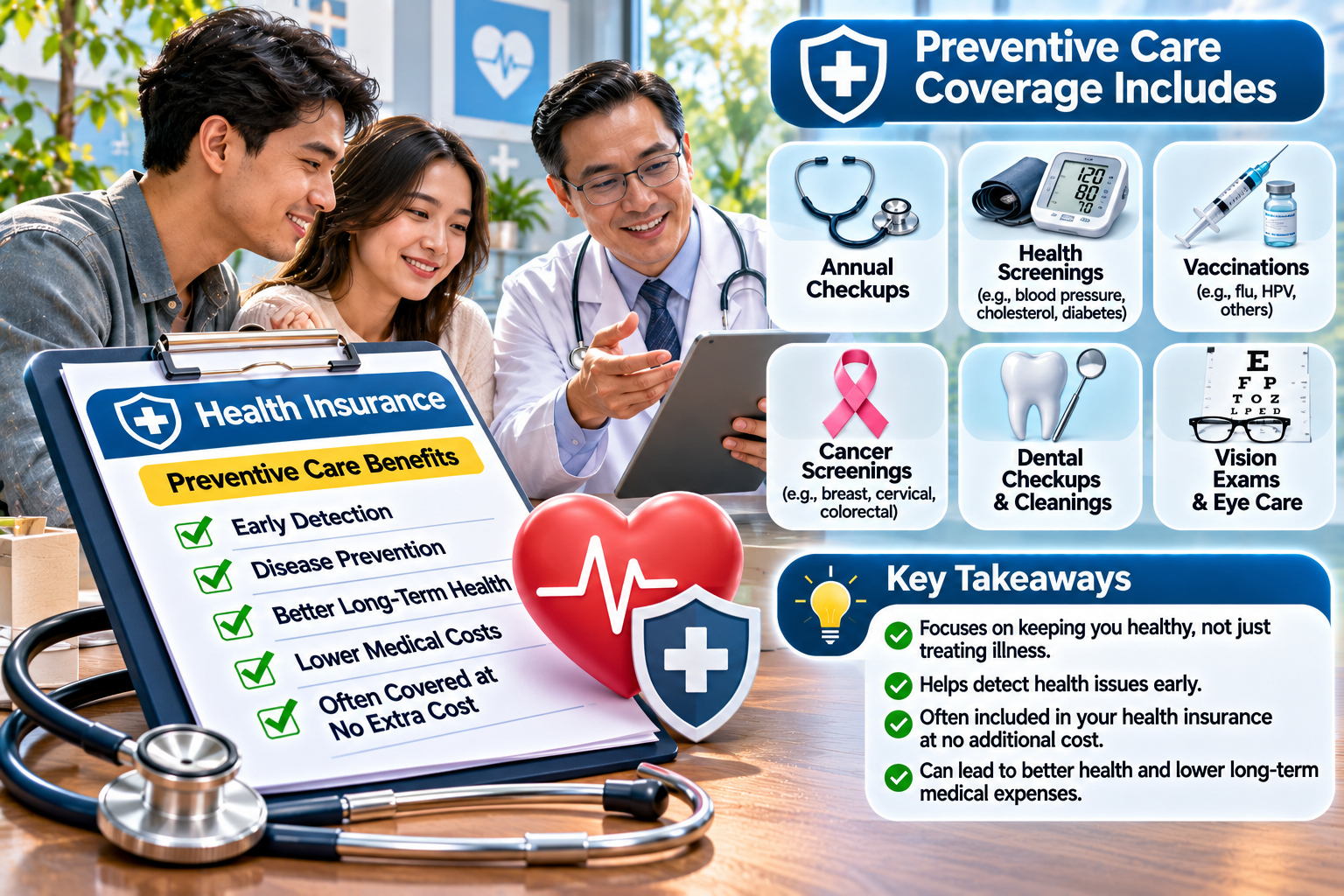
Health Insurance Preventive Care Benefits are essential for maintaining overall well-being and avoiding serious health issues down the line. Preventive care encompasses a range of services designed to detect potential health problems before they become significant concerns. By utilizing these benefits, individuals not only enhance their health but also contribute to the efficiency of healthcare systems. This overview will delve into the various types of preventive services covered by health insurance, their long-term advantages, and the crucial role they play in promoting healthier lifestyles.
Understanding the nuances of preventive care is vital in today’s health landscape. From routine screenings and vaccinations to wellness visits, these services aim to identify health risks early, allowing for timely intervention and treatment. With many insurance plans covering these services at little to no cost, the importance of taking advantage of preventive care cannot be overstated. By doing so, individuals can enjoy a healthier life while simultaneously reducing future healthcare expenses.
Understanding the Importance of Preventive Care Benefits in Health Insurance
Preventive care benefits are a vital component of health insurance that not only help maintain individual health but also contribute to the overall well-being of communities. By focusing on prevention rather than treatment, these benefits encourage proactive health management, ultimately leading to a healthier population and reduced healthcare costs.
Preventive care plays an integral role in maintaining health by enabling early detection and intervention for potential health issues. Regular screenings, vaccinations, and health assessments can identify risks before they escalate into more serious conditions. For example, a simple cholesterol test can reveal high levels that may lead to heart disease if not monitored. Preventive measures can effectively manage chronic diseases, allowing individuals to lead healthier lives with fewer complications. It also encourages individuals to take charge of their health, fostering healthier lifestyle choices that can have a lasting impact on their overall well-being.
Types of Preventive Services Covered by Health Insurance
Health insurance plans typically cover a range of preventive services aimed at various age groups and health needs. Understanding these services can empower individuals and families to utilize their health benefits effectively. Some common preventive care services include:
- Routine Check-ups: Annual physicals that assess overall health and identify any emerging health issues.
- Vaccinations: Immunizations against infectious diseases such as influenza, measles, and hepatitis.
- Screenings: Tests for specific conditions such as mammograms for breast cancer, colonoscopies for colorectal cancer, and blood pressure checks.
- Wellness Visits: Dedicated appointments for discussing health goals, lifestyle changes, and preventive measures with healthcare providers.
- Dental and Vision Check-ups: Regular examinations that help maintain oral and eye health, which can also affect overall health.
The long-term health benefits of preventive care are profound, not only enhancing the quality of life but also significantly reducing long-term healthcare costs. By catching diseases early, individuals can avoid more complicated treatments and hospitalizations, which are typically much more expensive. For instance, a study by the American Journal of Preventive Medicine found that comprehensive preventive care can save approximately $70 billion annually in healthcare costs in the United States.
In addition, preventive care fosters a culture of health and wellness within families, leading to healthier habits that can be passed down through generations. Regular engagement with healthcare providers enables families to stay informed about health risks and management strategies, ultimately contributing to a healthier future for all members. The emphasis on preventive care presents a win-win scenario for both individuals and healthcare systems, making it an essential aspect of health insurance benefits.
Key Preventive Services Typically Covered by Health Insurance
Preventive care is essential for maintaining good health and detecting potential health issues early. Health insurance plans commonly cover a range of preventive services designed to keep individuals healthy and reduce the risk of more severe health problems down the line. These services can include screenings, vaccinations, and wellness visits, which are often provided at little to no cost to the insured. Below, we explore the most common preventive services that health insurance plans typically cover, along with their associated benefits.
Common Preventive Services
Preventive services are critical in identifying health risks before they develop into major issues. Here’s a closer look at the various screenings, vaccinations, and wellness visits that are usually included in health insurance plans:
| Service | Description | Benefits |
|---|---|---|
| Annual Wellness Visit | A comprehensive checkup designed to assess overall health. | Early detection of health issues, personalized health plan, and discussions about preventive care options. |
| Blood Pressure Screening | Regular checks to monitor blood pressure levels. | Identifying hypertension early can prevent heart disease and stroke. |
| Cholesterol Screening | Tests to measure cholesterol levels in the blood. | Helps assess risk for heart disease and guides lifestyle changes. |
| Cancer Screenings | Includes mammograms, Pap smears, and colonoscopies. | Early detection of cancer significantly improves treatment success rates. |
| Vaccinations | Immunizations such as flu shots, HPV, and hepatitis vaccines. | Prevention of infectious diseases, leading to lower healthcare costs and improved public health. |
| Diabetes Screening | Tests to identify prediabetes or diabetes. | Early intervention can prevent complications associated with diabetes. |
| Vision and Hearing Tests | Routine screenings for eye and ear health. | Early detection of conditions like glaucoma or hearing loss can enhance quality of life. |
Preventive services not only help in maintaining health but also reduce long-term healthcare costs by catching issues early.
The Financial Impact of Preventive Care on Health Outcomes
Preventive care is a crucial aspect of healthcare that involves measures taken to prevent diseases rather than treating them after they occur. This proactive approach to health not only improves individual well-being but also has significant financial implications for both individuals and healthcare systems. By investing in preventive services, the overall costs associated with healthcare can be drastically reduced, leading to a healthier population and a more sustainable healthcare system.
Research consistently shows that preventive care leads to substantial cost savings. According to the Centers for Disease Control and Prevention (CDC), every dollar spent on preventive care can save the healthcare system about $3 in the future. This is primarily due to the reduction in the need for more expensive emergency care and chronic disease management. Preventive measures, such as vaccinations, screenings, and wellness check-ups, enable early detection and treatment of potential health issues, which can mitigate the progression of diseases.
Statistics Highlighting Financial Benefits
To illustrate the financial impact of preventive care, several studies and statistics provide compelling insights. For instance, a study published in the American Journal of Preventive Medicine found that increasing the use of preventive services like screenings and vaccinations could result in savings of approximately $100 billion annually. This statistic emphasizes the financial burden that chronic diseases impose on healthcare systems, where preventive care could serve as a major relief.
Moreover, a case study involving the Medicare program demonstrated that beneficiaries who utilized preventive services had lower overall healthcare costs compared to those who did not. Specifically, Medicare beneficiaries who received an annual wellness visit had lower hospital admission rates, leading to a 20% reduction in hospitalization costs. Such findings highlight the direct correlation between preventive care utilization and reduced healthcare expenses over time.
In addition to these examples, the World Health Organization (WHO) estimates that preventing diseases through vaccination could save up to $44 billion in healthcare costs globally. This emphasizes the universal relevance of preventive care and its potential to transform healthcare funding and accessibility.
The financial benefits of preventive care extend beyond immediate savings; they also contribute to long-term economic stability in healthcare. By prioritizing preventive measures, healthcare systems can allocate resources more efficiently, ultimately leading to a healthier population and reduced financial strain on both individuals and society as a whole.
Barriers to Accessing Preventive Care in Health Insurance
Preventive care is essential for maintaining health and well-being, yet many individuals face significant obstacles when trying to access these services. Understanding these barriers is crucial for improving healthcare accessibility and ensuring that everyone can benefit from preventive measures that may avert serious health issues down the line.
A variety of factors hinder access to preventive care, some of which stem from the complexities of the healthcare system. Cost remains a primary barrier; many individuals may have high deductibles or co-pays that make preventive services financially prohibitive. Insurance plans often have varying coverage policies, which can lead to confusion and deter patients from seeking necessary care. Alongside financial constraints, geographical location plays a significant role in accessibility. Rural areas, for example, may lack adequate healthcare facilities or providers offering preventive services, leaving residents with little to no options.
Socio-Economic Factors Influencing Accessibility
Socio-economic factors significantly influence access to preventive care services. Individuals from lower-income families are disproportionately affected by barriers such as lack of transportation, limited health literacy, and inadequate access to information about available services. Many may not be aware of the preventive care benefits included in their health insurance plans, leading to missed opportunities for early intervention.
This situation can be further exacerbated by systemic issues, including discrimination and social inequalities, which can contribute to a lack of trust in the healthcare system. Factors such as education level and job stability can also impact an individual’s ability to prioritize preventive care; those who are struggling economically may prioritize immediate needs over preventive health measures.
To address these barriers, healthcare systems must implement strategies focused on enhancing accessibility. Community outreach programs that educate individuals about preventive care benefits can help raise awareness. Providing transportation services or telehealth options can also mitigate geographical obstacles, allowing more people to access essential services. Additionally, simplifying health insurance information and coverage details can empower individuals to make informed decisions about their care.
“Access to preventive care is not just a matter of health; it’s a matter of equity.”
Healthcare providers should collaborate with community organizations to create programs tailored to the unique needs of underserved populations, ensuring that everyone has the opportunity to take advantage of preventive care services. By addressing these barriers head-on, we can move towards a more equitable healthcare system.
The Role of Health Insurance Providers in Promoting Preventive Care
Health insurance providers play a crucial role in encouraging their members to utilize preventive care services. By integrating preventive care into their coverage plans, insurance companies not only help individuals maintain better health but also work towards reducing overall healthcare costs. Preventive services can include routine check-ups, vaccinations, screenings, and wellness programs, which are essential for early detection and management of potential health issues.
To effectively promote these services, many insurance providers implement various programs and incentives aimed at motivating their members. These can include:
Examples of Programs and Incentives
Insurance companies often adopt strategies that encourage preventive care utilization, such as:
- No-Cost Preventive Services: Many plans cover routine preventive services at little to no out-of-pocket cost. This makes it easier for members to access necessary screenings and vaccinations without financial barriers.
- Wellness Programs: Initiatives like weight management programs, smoking cessation support, and fitness challenges can incentivize members to adopt healthier lifestyles. For instance, some insurers offer discounts on gym memberships or rewards for participating in health challenges.
- Telehealth Services: By providing virtual consultations, insurance providers make it more convenient for members to discuss preventive care options with healthcare professionals, especially during times when access to in-person visits might be limited.
- Cash Incentives: Some plans offer cash rewards or gift cards for completing preventive screenings, such as annual physicals or mammograms, which can significantly boost participation rates.
These initiatives not only promote individual health but also contribute to improved public health outcomes by facilitating early diagnosis and treatment of diseases, thus reducing the need for more complex and costly interventions later on. By engaging members in their health management, insurance providers can foster a culture of prevention that benefits both individuals and the wider community.
Future Trends in Preventive Care Benefits within Health Insurance Policies
The landscape of health insurance is continuously evolving, particularly in the realm of preventive care benefits. As awareness of health maintenance and disease prevention grows, insurance policies are increasingly adapting to incorporate comprehensive preventive services. This shift is not just a response to consumer demand but also a proactive approach to enhance overall public health and reduce long-term healthcare costs. Future trends in this area will likely focus on integrating technology, personalizing care, and expanding coverage options to meet the needs of diverse populations.
Emerging technologies are poised to significantly influence preventive care within insurance plans. Innovations in telemedicine, wearable health devices, and artificial intelligence (AI) are leading the charge in making preventive care more accessible and effective. These technologies not only facilitate early diagnosis and proactive health management but also support real-time engagement between patients and healthcare providers.
Impact of Technology on Preventive Care
The integration of technology into preventive care practices is transforming how individuals engage with their health. Key technological advancements include:
- Telemedicine: The rise of telehealth services allows patients to consult healthcare professionals remotely, making it easier to access preventive care services such as screenings and health check-ups. This has been especially important during the pandemic when in-person visits were limited.
- Wearable Devices: Gadgets like smartwatches and fitness trackers enable users to monitor their health metrics, such as heart rate and activity levels, encouraging proactive management of health conditions before they escalate.
- Machine Learning and AI: AI algorithms can analyze vast amounts of health data to identify trends and predict potential health risks, enabling early interventions tailored to individual needs. This predictive capability can enhance personalized care plans, making preventive measures more effective.
- Health Apps: Mobile applications provide users with information on health risks, reminders for preventive screenings, and tools for tracking lifestyle changes. These platforms encourage user engagement in their health journey.
The transition from traditional preventive care to a technology-driven approach can enhance overall healthcare outcomes. Current practices, which often involve periodic check-ups and screenings based on age or risk factors, are likely to evolve into more individualized strategies. By leveraging data analytics and patient history, insurers can offer tailored recommendations for preventive services, aligning healthcare provisions with personal health profiles.
The shift towards value-based care models is another significant trend in preventive care benefits. Insurers are increasingly focusing on rewarding healthy behaviors rather than merely paying for services after treatment is required. This can include incentivizing routine health assessments, vaccinations, or lifestyle modifications. As insurers embrace these models, they create opportunities for members to take charge of their health through various wellness programs.
“Investing in preventive care not only leads to better health outcomes but also significantly reduces long-term healthcare costs.”
As we look to the future, the evolution of preventive care benefits in health insurance will likely reflect broader societal trends towards health consciousness and technological integration. The result will be a more patient-centric approach that empowers individuals to take proactive steps in managing their health, ultimately leading to healthier populations and reduced healthcare expenditure.
Closure
In summary, Health Insurance Preventive Care Benefits offer invaluable support in the quest for a healthier future. By emphasizing the significance of preventive services, we can better appreciate how they contribute not only to individual health but also to the broader community. With advancements in healthcare and a growing awareness of the importance of early intervention, the role of preventive care is set to become even more prominent. As we move forward, embracing these benefits will be crucial in paving the way for improved health outcomes and reduced healthcare costs.
Q&A
What are preventive care benefits?
Preventive care benefits are services covered by health insurance that aim to prevent illnesses or detect them early, such as screenings, immunizations, and wellness check-ups.
Are preventive services free with health insurance?
Many health insurance plans cover preventive services at no cost to the patient, as long as these services are provided by in-network providers.
How often should I utilize preventive care services?
The frequency of preventive care services varies by age and risk factors, but generally, annual check-ups and regular screenings as recommended by healthcare providers are advised.
What happens if I skip preventive care?
Skipping preventive care may lead to undetected health issues that can worsen over time, potentially resulting in more serious health problems and higher treatment costs.
Can I access preventive services without a primary care doctor?
While it’s advisable to have a primary care doctor for continuity, many preventive services can be accessed through urgent care clinics or specialized health fairs.