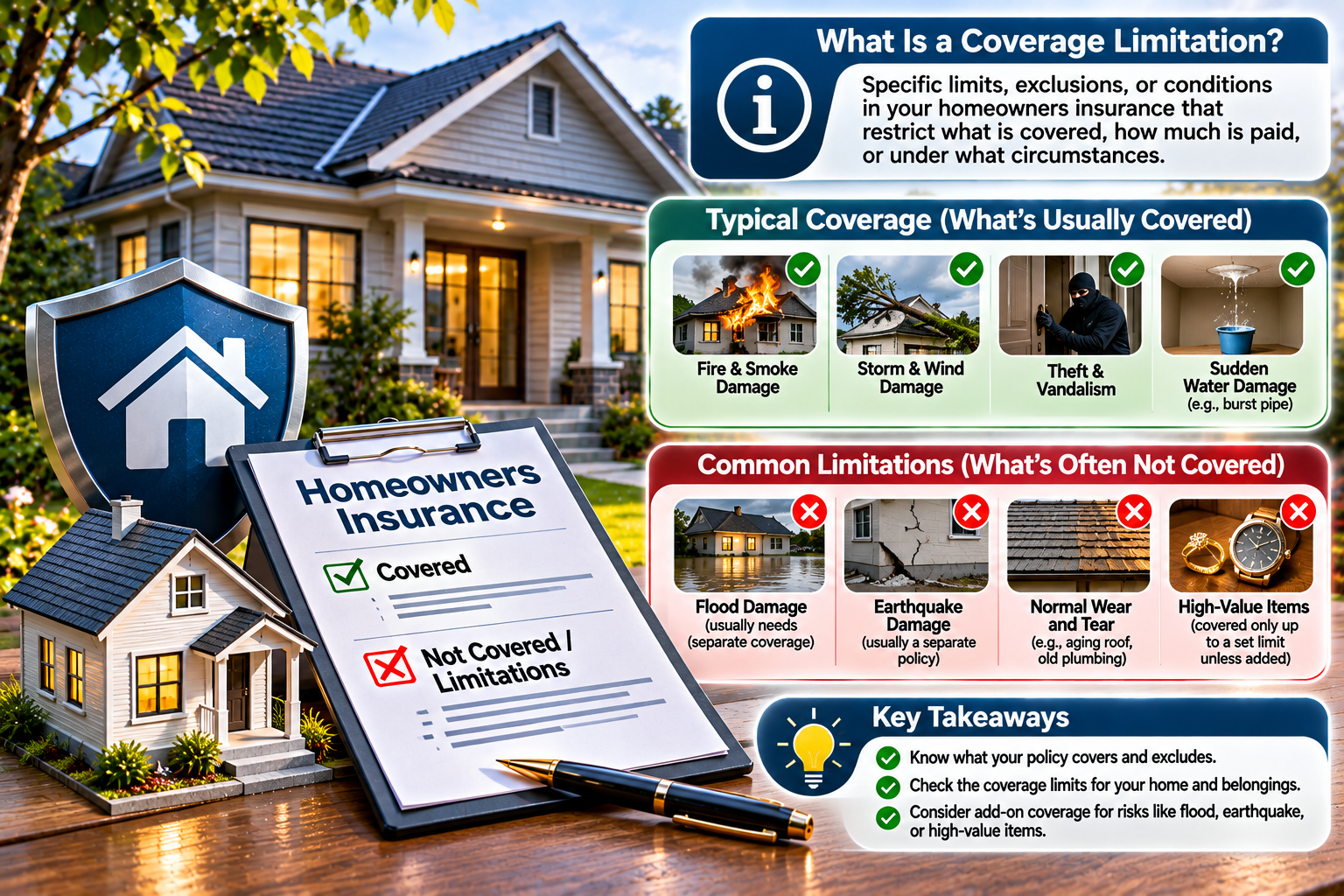
Understanding the nuances of Homeowners Insurance Coverage Limitations can significantly impact your experience as a policyholder. These limitations may seem like minor details at first glance, but they can lead to substantial consequences when filing a claim. From natural disasters to personal property exclusions, being informed can save you from unexpected financial burdens down the line.
It’s vital to grasp these limitations before purchasing a policy, as they dictate the extent of your protection. Familiarizing yourself with common exclusions and the implications they carry can empower you to make informed decisions and tailor your coverage effectively. This insight is not only strategic but essential for safeguarding your home and belongings.
Homeowners Insurance Coverage Limitations Overview
Homeowners insurance is often seen as a safety net, providing crucial financial protection against unforeseen events. However, understanding the specific limitations of coverage is vital for policyholders. These limitations can significantly impact a homeowner’s financial security and peace of mind, especially in the wake of a loss or damage to their property. It’s essential to delve into these limitations to ensure that when a disaster strikes, homeowners are not left in a vulnerable position.
Coverage limitations can dictate the extent to which a policyholder is protected. Many standard homeowners insurance policies Artikel specific exclusions or caps on various types of damages, which can leave homeowners underinsured in critical situations. For instance, a common limitation is the cap on personal property coverage, which may only provide reimbursement up to a certain dollar amount. If a homeowner has expensive belongings, like high-end electronics or collectibles, they may find themselves financially responsible for any losses exceeding the policy limit.
Additionally, certain perils may be excluded entirely from coverage. For example, damages caused by floods or earthquakes are often not included in standard policies. Homeowners residing in areas prone to these events might find themselves needing additional coverage, such as flood or earthquake insurance, to protect their investment adequately.
Another frequent limitation involves liability coverage. Homeowners might assume their policy covers all injuries that occur on their property, but there are often exclusions based on the nature of the injury or the circumstances. For instance, injuries related to certain recreational activities, such as swimming pool accidents or dog bites, may not be covered.
In summary, understanding these limitations is not just about knowing what is covered but also about recognizing the potential financial risks associated with gaps in coverage. When homeowners are aware of these constraints, they can make informed decisions about additional policies necessary to protect their homes fully. The following examples illustrate some of the common limitations found in homeowners insurance:
Common Limitations in Homeowners Insurance Coverage
Policies can vary greatly, but several limitations frequently appear across many standard homeowners insurance agreements. Being aware of these can help homeowners choose better coverage options that suit their needs:
- Personal Property Limits: Coverage may be limited to a specific amount, typically around 50-70% of the dwelling amount, which may not cover high-value items.
- Excluded Perils: Events like floods, earthquakes, and mold damage are often not covered, requiring separate policies for full protection.
- Liability Exclusions: Certain liabilities, such as injuries caused by specific dog breeds or accidents involving pools, may not be included.
- Replacement Cost vs. Actual Cash Value: Some policies only pay the depreciated value of damaged items rather than the full cost to replace them.
- Deductibles: High deductibles can result in significant out-of-pocket costs before coverage kicks in, affecting the affordability of claims.
By familiarizing themselves with these limitations, homeowners can better prepare for the unexpected and ensure they have adequate coverage to safeguard their assets.
Common Exclusions in Homeowners Insurance Policies
Homeowners insurance is designed to provide financial protection against various risks associated with homeownership. However, many policies have exclusions that can impact coverage during critical times. Understanding these exclusions is vital for homeowners to avoid unpleasant surprises when filing a claim.
One of the most significant aspects of homeowners insurance policies is the exclusions that can limit coverage. These exclusions can lead to substantial out-of-pocket costs for homeowners if not properly understood. Below are three major exclusions commonly found in homeowners insurance policies:
Major Exclusions in Homeowners Insurance
It’s essential for homeowners to be aware of the following exclusions that are frequently included in their insurance policies:
- Flood Damage: Most homeowners insurance policies do not cover damages caused by flooding. Homeowners in flood-prone areas may need to purchase a separate flood insurance policy through the National Flood Insurance Program (NFIP). This exclusion can leave homeowners vulnerable to significant financial loss in the event of a flood.
- Earthquake Damage: Similar to flood damage, earthquake damage is often excluded from standard homeowners insurance policies. Homeowners living in seismically active regions may need to secure additional earthquake insurance. The implications of this exclusion can be severe, as the cost of repairs from earthquake damage can be exorbitant.
- Maintenance Issues: Homeowners insurance typically does not cover damages due to neglect or lack of maintenance. Issues like mold growth, pest infestations, and roof leaks that stem from insufficient upkeep usually fall outside the scope of coverage. This exclusion can lead to homeowners facing costly repairs that they believed would be covered by their policy.
Homeowners should be mindful of these exclusions as they can substantially impact the claims process. For example, a homeowner living in a flood-prone area who suffers water damage may find their claim denied if they do not have flood insurance in place, potentially leading to thousands of dollars in damage without compensation.
In another scenario, a homeowner in California faces extensive structural damage after an earthquake. If they only hold a standard homeowners policy, they may discover that their insurance does not cover the damages, forcing them to pay for repairs out of pocket.
Lastly, consider a homeowner who has allowed their roof to fall into disrepair over several years. When a storm causes a leak that damages the interior of the house, the claim may be denied due to the maintenance exclusion, leaving the homeowner to shoulder the financial burden.
Understanding these exclusions is crucial to adequately prepare for unexpected events and ensure that sufficient coverage is in place. Homeowners should review their policies and consider purchasing additional coverage where necessary to protect their investments and peace of mind.
How Coverage Limits Affect Claims
When it comes to homeowners insurance, understanding how coverage limits interact with claims is crucial for ensuring you’re adequately protected. Coverage limits determine the maximum amount an insurance company will pay in the event of a loss or damage to your home or belongings. This distinction plays a significant role in the actual payout when you file a claim, which is often influenced by factors such as depreciation and replacement costs. Knowing these details can help you navigate the claims process more effectively and ensure that your financial interests are safeguarded.
Coverage limits and actual cash value (ACV) are two critical concepts that affect the outcome of insurance claims. Coverage limits refer to the maximum amount your insurance policy will cover for specific types of losses, whereas actual cash value is the amount you might receive after a claim is processed, taking into account depreciation. For instance, if a storm damages your roof and your coverage limit for that type of damage is $20,000, you will not receive more than that amount regardless of the repair costs. However, if your roof’s actual cash value at the time of the damage is only $15,000 due to its age and wear, that’s the amount your insurer would pay out, not the full $20,000 limit.
Comparison of Typical Coverage Limits and Claim Payouts
It’s essential to understand how different coverage limits can influence your claim payouts. Below is a comparison table that Artikels common coverage limits and their potential effects on claim payouts:
| Coverage Type | Typical Limit | Effect on Claim Payout |
|---|---|---|
| Dwelling Coverage | $250,000 | Pays up to the full limit for covered repairs or rebuilding after a total loss. |
| Personal Property Coverage | $100,000 | Pays up to the limit for personal belongings lost or damaged; ACV may apply. |
| Liability Coverage | $300,000 | Covers legal costs and settlements up to the limit if you’re found liable for damages. |
| Additional Living Expenses | $50,000 | Covers temporary living costs if your home is uninhabitable due to a covered loss. |
Reviewing and adjusting your coverage limits periodically is crucial to ensure they align with the current value of your home and belongings. As property values rise and your personal assets grow, your initial coverage limits may no longer be sufficient. It’s advisable to reassess your policy every few years or after significant life changes, such as renovations, major purchases, or increases in market value. This proactive approach helps prevent coverage gaps that could leave you financially vulnerable in the event of a claim.
Regularly reviewing your homeowners insurance policy can help safeguard your assets and ensure adequate coverage.
Special Considerations for High-Value Items
When it comes to homeowners insurance, not all possessions hold the same value. High-value items often require special attention and coverage considerations, as standard policies may not provide adequate protection. Understanding how your homeowners insurance addresses these items can help you avoid unexpected financial pitfalls.
Homeowners insurance typically covers personal property, but it might impose limits on high-value items such as jewelry, art, and collectibles. This means that if these items exceed certain dollar amounts, you may face a coverage gap in the event of a loss. For peace of mind, it’s crucial to assess which of your possessions fall into this category and what additional steps you might need to take to ensure they are sufficiently covered.
High-Value Items Requiring Additional Coverage
Certain possessions often exceed the standard coverage limits of homeowners insurance. To ensure you are fully protected, consider the following list of high-value items that may need extra coverage:
- Jewelry: Engagement rings, necklaces, and other fine jewelry can quickly surpass typical policy limits.
- Artworks: Paintings, sculptures, and other collectibles may appreciate in value and require appraisal.
- Antiques: Vintage furniture and unique items often hold significant value that needs special consideration.
- Collectibles: Items such as rare coins, stamps, or sports memorabilia require adequate documentation and coverage.
- Musical Instruments: High-end instruments, especially vintage ones, can be quite valuable and need specialized coverage.
- High-End Electronics: Advanced technology and premium devices may not be covered fully under standard policies.
- Furs and Designer Clothing: Luxury fashion items often have price tags that exceed normal limits.
- Guns and Firearms: Collectible firearms may need separate endorsements or policies for full protection.
To ensure adequate coverage for your valuable possessions, consider the following tips:
1. Get an Appraisal: For items like artwork and jewelry, obtaining a professional appraisal can help determine their current market value. This information is crucial when discussing coverage with your insurance provider.
2. Schedule Valuable Items: Many insurance companies offer a rider or endorsement that allows you to specifically schedule high-value items. This means they will be covered for their full appraised value, even if it exceeds the standard policy limits.
3. Keep Documentation: Store receipts, appraisals, and photographs of your high-value items. This documentation can be vital when filing a claim.
4. Review Your Policy Regularly: As your possessions increase in value, ensure your policy reflects these changes. Regularly reviewing your coverage can prevent lapses in protection.
5. Consider Specialized Insurance: For particularly valuable collections, look into specialized insurance policies tailored for high-value items. These policies often provide broader coverage and fewer limitations compared to standard homeowners insurance.
By taking these steps, you can protect your high-value possessions and ensure that you have the coverage necessary to replace them in case of loss or damage.
The Role of Deductibles in Coverage Limitations
Understanding deductibles is crucial for homeowners when navigating their insurance policies. A deductible is the amount you must pay out-of-pocket before your insurance kicks in. This figure can greatly influence your coverage limitations and the overall costs associated with your homeowners insurance.
The choice of deductible directly impacts your premium and the amount you’ll receive in the event of a claim. A higher deductible typically results in lower monthly premiums, while a lower deductible generally means higher premiums. However, this decision isn’t solely about initial costs; it can have significant implications on your financial planning during unforeseen events.
Impact of Deductibles on Claim Settlements
The deductible chosen can substantially affect the amount you receive when filing a claim. Here are some key points to consider regarding the impact of deductibles on claim settlements:
- A higher deductible means you’ll be responsible for more of the initial costs when making a claim. For example, if your home sustains damage costing $10,000 to repair and your deductible is $2,000, you’ll need to pay that amount first, leaving you with a $8,000 settlement from your insurance company.
- Conversely, a lower deductible results in less out-of-pocket payment during a claim. Using the previous example, if your deductible is only $500, your insurance coverage would provide $9,500 after you cover your deductible.
- Choosing a higher deductible could save you money in premium costs, which may be appealing if you do not anticipate needing to file claims often. However, if a major incident occurs, the higher deductible can strain your finances as you must cover a larger expense upfront.
- On the other hand, a lower deductible can provide peace of mind since you would pay less out-of-pocket in the event of a claim, but this often comes at the cost of higher monthly premiums. Families or individuals with tighter budgets may find this option preferable for immediate financial relief.
“Your deductible is not just a number; it’s a key factor in your financial strategy and how you handle potential losses.”
In essence, the choice of deductible plays a pivotal role in shaping the financial dynamics of your homeowners insurance. Homeowners must weigh their immediate budget against potential future expenses to determine the most suitable deductible for their circumstances.
Regional Differences in Coverage Limitations
Regions across the country experience unique environmental factors and risks that significantly affect homeowners insurance coverage limitations. Understanding these regional differences is crucial for homeowners to make informed decisions about their insurance policies. Coverage limitations are often dictated by local laws, climate, and the prevalence of certain natural disasters, which can vary dramatically from one area to another.
Natural disasters play a pivotal role in shaping homeowners insurance coverage. Areas prone to specific disasters, such as hurricanes or earthquakes, typically face more stringent coverage limitations. Insurers may exclude certain types of damages or require higher deductibles in these regions to mitigate their risk. For instance, coastal areas are often at a higher risk for hurricane damage, leading insurers to impose restrictions on coverage for wind and flood damages unless additional policies are purchased.
Factors Influencing Coverage Limitations
Two major regional factors that influence homeowners insurance coverage limitations are:
- Climate and Weather Patterns: Regions that experience frequent extreme weather conditions, such as heavy snowfall or torrential rains, often see restrictions in coverage for related damages. For example, states in the Midwest may have limited coverage for ice dam damages on roofs due to the climate’s winter conditions.
- Natural Disaster Frequency: Areas that are prone to earthquakes or wildfires face unique challenges in obtaining comprehensive homeowners insurance. Insurers may require homeowners to add separate earthquake or fire insurance policies, often with high premiums and deductibles. For instance, California homeowners frequently encounter high premiums due to the risk of wildfires, with some policies specifically excluding fire damage unless additional coverage is secured.
Statistics further illustrate the variance in coverage limitations based on geographical location. According to the Insurance Information Institute, homeowners in hurricane-prone states like Florida and Texas may pay up to 50% more for their insurance compared to homeowners in less vulnerable states. Similarly, in California, over 1 million homes are estimated to be at high risk for wildfire, which has led to insurers limiting coverage options or even refusing to insure certain properties altogether.
“Homeowners in disaster-prone areas may find themselves with limited insurance options, potentially exposing them to significant financial risk.”
The Importance of Reviewing Policy Terms Regularly
Regularly reviewing your homeowners insurance policy is essential to ensure that you are adequately protected against potential risks. Life is ever-changing, and so are the circumstances that may affect your coverage needs. By staying informed about your policy terms, you can make necessary adjustments that could save you from significant financial losses in the event of a disaster.
Personal circumstances, such as changes in family size, renovations, or the acquisition of valuable possessions, can greatly influence your insurance coverage requirements. For example, if you’ve recently added a new member to your household or purchased expensive electronics, your existing policy may not provide sufficient coverage. Therefore, it’s important to keep your policy aligned with your current situation.
Checklist for Reviewing Policy Terms
To effectively review your homeowners insurance policy, consider the following checklist. This guide can help ensure that you cover all essential aspects and identify areas where adjustments may be needed:
- Assess Current Coverage Limits: Confirm that your coverage limits are adequate for your home’s current value and contents. Consider recent home renovations or purchases that may increase your home’s worth.
- Evaluate Personal Circumstances: Reflect on any life changes, such as marriage, divorce, or the arrival of children, which could alter your insurance needs.
- Review Policy Exclusions: Familiarize yourself with the exclusions in your policy. Understanding what is not covered can help you make informed decisions about additional coverage.
- Check for Discounts: Inquire about any potential discounts for security systems, multi-policy bundles, or upgrades that you may be eligible for, which can lower your premiums.
- Keep Contact Information Updated: Ensure that your insurance provider has your current contact information for timely communication regarding policy updates or changes.
- Consult with Your Agent: Schedule an annual review with your insurance agent to discuss any concerns or changes in your circumstances and to explore potential policy adjustments.
“A proactive approach to reviewing your homeowners insurance policy can safeguard your financial stability against unforeseen events.”
Strategies for Mitigating Coverage Limitations
Homeowners insurance is essential for protecting your property and belongings, but its limitations can be a source of concern. Fortunately, there are proactive strategies that homeowners can implement to navigate these coverage gaps effectively. By understanding your policy and considering additional options, you can enhance your protection and secure peace of mind.
One effective approach to mitigating coverage limitations is to explore endorsements and riders that can be added to your policy. These additions can help cover specific items or situations that standard policies often exclude. Below is a table highlighting some recommended endorsements and riders that can enhance your homeowners insurance coverage.
| Endorsement/Rider | Description |
|---|---|
| Personal Property Replacement Cost | Covers the cost of replacing personal belongings at current market value without depreciation. |
| Earthquake Insurance | Provides coverage for damages resulting from earthquakes, which are often excluded from standard policies. |
| Water Backup Coverage | Protects against damages from sewer or drain backups, which are typically not covered by standard policies. |
| Scheduled Personal Property | Offers additional coverage for high-value items, such as jewelry or collectibles, beyond standard limits. |
| Identity Theft Protection | Covers expenses related to restoring your identity and repairing credit issues resulting from theft. |
Consulting an insurance agent can provide significant advantages in understanding coverage limitations and exploring tailored solutions. These professionals possess in-depth knowledge of the insurance landscape and can evaluate your unique circumstances to recommend the most suitable options. An agent can help identify coverage gaps in your existing policy and suggest specific endorsements or riders that align with your needs. Additionally, they can clarify complex terms and conditions, ensuring you fully understand your policy and its limitations.
Ultimately, taking proactive steps and seeking personalized advice can empower homeowners to mitigate coverage limitations effectively, ensuring comprehensive protection for their properties and assets.
Conclusion
In conclusion, navigating the landscape of Homeowners Insurance Coverage Limitations requires diligence and awareness. By understanding the exclusions and limitations inherent in your policy, you position yourself to better manage your risk and ensure adequate protection for your most valuable assets. Regularly reviewing your policy and consulting with an insurance professional can further enhance your understanding, helping you to secure peace of mind in your home insurance journey.
Commonly Asked Questions
What is the difference between coverage limits and deductibles?
Coverage limits determine the maximum amount an insurance company will pay for a covered loss, while deductibles are the amount you pay out of pocket before your insurance kicks in.
Are all types of damage covered by homeowners insurance?
No, homeowners insurance typically excludes certain types of damage, such as flood or earthquake damage. It’s essential to review your policy for specifics.
How often should I review my homeowners insurance policy?
It’s advisable to review your policy annually or whenever you experience a significant life change, such as a renovation or acquiring high-value items.
Can I add coverage for specific high-value items?
Yes, many policies allow you to add endorsements for high-value items like jewelry or art to ensure they’re adequately covered.
What should I do if I have a unique property that may not be fully covered?
Consult your insurance agent about specialized coverage options or endorsements tailored to your unique property needs.