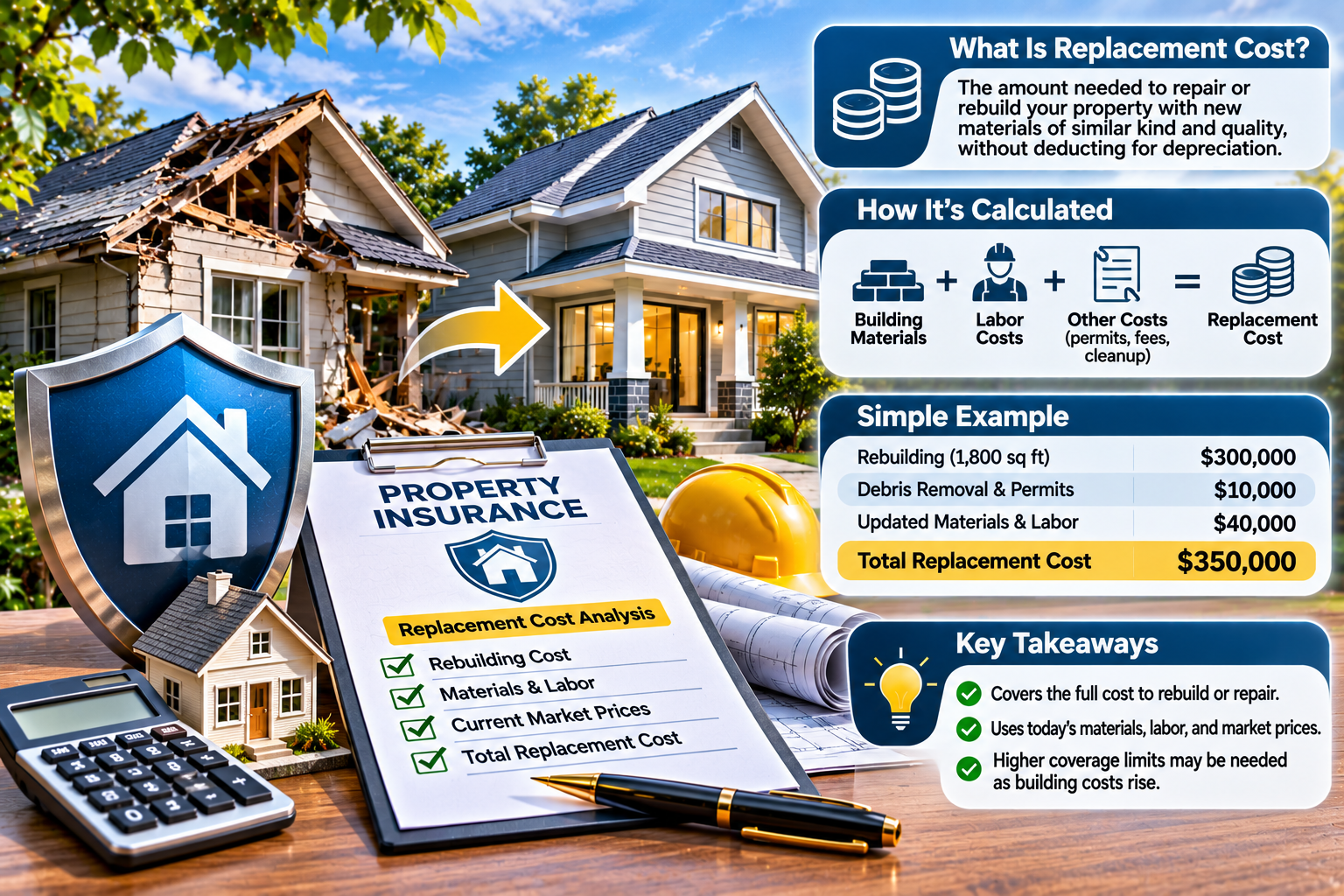
Property Insurance Replacement Cost Analysis is a crucial topic for homeowners and property investors alike. It delves into how insurance policies determine the cost to replace or repair damaged properties, ensuring that policyholders are adequately protected. Understanding this concept not only helps in making informed insurance decisions but also reveals the complexities behind valuation methods and market influences.
This analysis explores the intricacies of replacement cost coverage, comparing it to actual cash value and emphasizing its importance in the claims process. By breaking down the various factors that affect replacement costs and outlining effective methodologies for assessments, readers will gain insights into how technology and market trends shape insurance estimates. Moreover, it highlights common pitfalls in the estimation process and the necessity for regular updates to stay aligned with current market conditions.
Understanding the Fundamentals of Property Insurance Replacement Cost
Property insurance is essential for safeguarding one’s investments against unforeseen damages. A crucial element within this domain is the concept of replacement cost, which refers to the amount needed to replace or repair property with materials of similar kind and quality, without accounting for depreciation. Understanding replacement cost is vital for policyholders, as it significantly influences the amount they may receive during a claim.
Replacement cost coverage ensures that homeowners can restore their property to its original state, regardless of its current market value. This coverage is particularly important in areas prone to natural disasters, where the cost of rebuilding may exceed the property’s assessed value. It provides peace of mind, knowing that in the event of a loss, one can afford to rebuild or replace their home and belongings without being financially burdened.
Differences Between Actual Cash Value and Replacement Cost Coverage
Understanding the distinction between actual cash value (ACV) and replacement cost coverage is essential for policyholders during the insurance process. While both terms relate to property insurance claims, they reflect different valuation methods that can significantly impact the payout a policyholder receives.
Actual cash value is calculated by taking the replacement cost of an item and then subtracting depreciation. This means that the older the item, the less it is worth in an insurance claim. For instance, if a ten-year-old roof needs to be replaced, the actual cash value may only cover a fraction of the new roof’s cost due to its reduced value.
In contrast, replacement cost coverage does not account for depreciation, meaning the policyholder will receive the full cost of replacing damaged or destroyed items. This is particularly beneficial when substantial damages occur, such as in a natural disaster.
To illustrate, consider a homeowner who has a fire in their kitchen. If the cabinets cost $10,000 to install five years ago, the actual cash value calculation might deduct significant depreciation, perhaps only awarding the homeowner $6,000. However, under replacement cost coverage, the homeowner would receive the full $10,000 needed to replace the cabinets.
In summary, while actual cash value may seem appealing due to lower premiums, replacement cost coverage provides a more comprehensive safety net, ensuring policyholders can fully restore their property after a loss.
Factors Influencing Replacement Cost Calculation
The calculation of replacement costs for property insurance is not a straightforward task; it involves a myriad of elements that can affect the final figures. Understanding these factors is essential for accurate property valuation, ensuring that both insurers and property owners are on the same page regarding coverage. This discussion delves into the key components that influence replacement cost calculations, highlighting how they shape the financial landscape of property insurance.
Construction Materials
The type and quality of construction materials play a pivotal role in determining replacement costs. High-quality materials typically yield a higher replacement cost due to their durability and longevity. For instance, using granite countertops versus laminate can substantially elevate the overall property value. The ongoing demand for certain materials can also drive their costs up, further impacting replacement valuations.
- Durability: Materials with a longer lifespan tend to be more expensive upfront but can save costs in the long run.
- Market Trends: The popularity of green building materials may increase their costs, influencing replacement values.
- Supply Chain Factors: Disruptions in the supply chain can lead to material shortages, causing price hikes.
Labor Costs
Labor costs significantly influence replacement cost calculations, reflecting the local job market and skill availability. Areas with a high demand for skilled labor often see elevated costs, which can directly impact the total replacement figure.
- Wage Rates: Fluctuations in local wage rates can affect overall project costs, especially in urban areas.
- Contractor Availability: A shortage of qualified contractors can lead to increased labor costs due to competitive bidding.
- Project Complexity: More complex projects that require specialized skills will naturally incur higher labor costs.
Local Market Conditions
The local real estate market serves as a critical backdrop for replacement cost evaluations. Economic indicators, housing demands, and market trends can all affect property values and subsequently the costs associated with replacement.
- Real Estate Trends: A booming local market often signifies increased property values, leading to higher replacement costs.
- Economic Factors: Changes in the economy, such as inflation, can raise costs across the board, impacting replacement calculations.
- Local Regulations: Changes in building codes or zoning laws can necessitate updated construction methods that influence costs.
“The interplay of materials, labor, and local market dynamics forms the foundation of a property’s replacement cost analysis.”
Real-world examples illustrate how these factors converge in practice. For instance, a case study in a rapidly developing urban area showed that construction costs had risen by over 20% within two years due to increased demand for housing and skilled labor, alongside rising material prices. This led to significant adjustments in replacement cost calculations for multiple properties in the region. Understanding these nuances allows stakeholders to make informed decisions regarding insurance coverage and property valuations.
Methodologies for Conducting Replacement Cost Assessments
Conducting replacement cost assessments is essential for property insurance, ensuring property owners understand the financial implications of rebuilding or repairing their properties. This process is not only crucial for effective insurance coverage but also for strategic planning and asset management. Various methodologies exist to aid appraisers in establishing accurate replacement costs, each with its unique approach and considerations.
Systematic Approach to Performing Replacement Cost Assessments
A systematic approach to conducting replacement cost assessments involves several critical steps:
1. Property Identification: Determine the specific property type and its unique characteristics, including size, design, and materials used.
2. Data Collection: Gather relevant data such as building codes, current material costs, labor rates, and market conditions that affect property values.
3. Selection of Methodology: Choose the appropriate methodology based on the property type and the available data.
4. Cost Calculation: Calculate the costs associated with materials, labor, and any additional expenses required for the replacement.
5. Documentation and Reporting: Prepare a comprehensive report detailing the methodology used, calculations made, and the final assessed value.
This structured approach ensures a thorough examination of all factors that influence the replacement costs, leading to more accurate assessments.
Comparison of Methodologies
Several methodologies can be employed for replacement cost assessments, each with its advantages and disadvantages. The primary methodologies include the Cost Approach, Sales Comparison Approach, and Income Approach. Understanding these methodologies allows for informed decision-making based on the specific needs of the property owner.
| Methodology | Pros | Cons |
|---|---|---|
| Cost Approach |
|
|
| Sales Comparison Approach |
|
|
| Income Approach |
|
|
Each methodology has its place in the assessment process, and the choice largely depends on the property type, the purpose of the assessment, and the data available. A combination of these methods may be employed to arrive at a more comprehensive view of replacement costs, enhancing the accuracy and reliability of the assessment.
The Role of Technology in Replacement Cost Estimation
Advancements in technology have significantly transformed the landscape of property insurance and replacement cost estimation. These innovations have introduced a level of precision and efficiency that was previously unattainable, allowing insurers to provide more accurate assessments of replacement costs.
Modern software tools and digital platforms are at the forefront of this transformation, streamlining the entire assessment process. By utilizing advanced algorithms and data analytics, these technologies enable professionals to quickly and accurately gather the necessary information for replacement cost analysis. This not only saves time but also enhances the quality of the estimates provided to policyholders.
Software Tools and Digital Platforms in Replacement Cost Estimation
The integration of specific software solutions in replacement cost estimation is crucial for improving accuracy and efficiency. These tools come equipped with comprehensive databases, real-time data analytics, and automated reporting features that aid in delivering precise estimates. Some of the notable tools used in the industry include:
- Xactimate: Known for its extensive database of building materials and labor costs, Xactimate allows adjusters to create detailed estimates quickly. Its user-friendly interface and mobile capabilities facilitate on-site assessments, making it a favorite among insurance professionals.
- Symbility: This cloud-based platform promotes collaboration among stakeholders by providing real-time data access. Symbility’s innovative technology streamlines the workflow, enhancing communication between insurers and clients.
- CoreLogic’s Recon: This tool leverages advanced data analytics and artificial intelligence to deliver comprehensive property intelligence. Recon offers detailed insights into local market trends and materials costs, ensuring accurate replacement cost assessments.
The ability of these platforms to integrate with existing systems further enhances their utility. Their reliance on current market data ensures that estimates reflect the most up-to-date information available, which is vital in a rapidly changing marketplace.
“Accurate replacement cost estimation is not just a regulatory requirement, but a commitment to our policyholders.”
Furthermore, the use of drones and 3D modeling technology is revolutionizing how inspections are conducted. Drones provide aerial views of properties, capturing detailed images that can be analyzed for damage assessments. 3D modeling software allows for virtual walkthroughs of properties, enabling adjusters to evaluate the scope of required repairs without needing to be physically present.
In summary, the role of technology in replacement cost estimation is pivotal. The advancements in software tools and digital platforms not only enhance the accuracy of estimates but also improve the overall efficiency of the assessment process, ultimately benefiting both insurers and policyholders alike.
Common Mistakes in Property Insurance Replacement Cost Estimation
Estimating the replacement cost of property insurance is a crucial aspect of ensuring adequate coverage and financial protection. However, several common mistakes can lead to significant gaps in coverage and unexpected financial burdens. Identifying these pitfalls is essential for property owners and estimators alike.
Accurate replacement cost estimation requires attention to detail and a comprehensive understanding of various influencing factors. Unfortunately, many estimators overlook important elements, leading to errors in their assessments. Understanding these common mistakes can assist in refining the estimation process and ensuring that property owners have the coverage they need in case of loss.
Frequent Errors in Estimation
Several mistakes frequently occur during the replacement cost estimation process, impacting the accuracy and reliability of the assessments. These errors can result in either underinsurance or overinsurance, both of which carry their own risks and consequences.
- Ignoring Local Construction Costs: Estimators often fail to consider the regional variations in construction costs, which can lead to miscalculations. Each area has its own pricing based on labor and materials, and overlooking this can skew the estimates.
- Neglecting Building Codes and Regulations: Local building codes may dictate specific construction standards that could affect replacement costs. Ignoring these can lead to estimates that don’t account for necessary upgrades or adjustments required by law.
- Underestimating Soft Costs: Many estimators focus solely on hard costs, such as materials and labor, neglecting soft costs like permits, fees, and administrative expenses that can significantly impact total replacement costs.
- Using Outdated Data: Relying on historical data without adjusting for current market conditions is a common mistake. The construction industry is prone to fluctuations, and using outdated figures can lead to inaccurate estimates.
- Failing to Consider Unique Property Features: Distinct architectural elements, luxury finishes, or custom features can substantially alter the cost of rebuilding. Estimators must ensure these unique aspects are factored into their calculations.
To counter these pitfalls, estimators should adhere to best practices that enhance the accuracy of their replacement cost assessments. Implementing the following strategies can lead to more reliable estimations.
- Conduct thorough research on local construction costs and trends to ensure current and relevant data is used.
- Incorporate knowledge of applicable building codes and ensure compliance is reflected in costs.
- Include all potential soft costs in the estimates, providing a comprehensive view of total expenses involved in replacements.
- Regularly update databases and resources used for estimating to reflect the most accurate market conditions.
- Account for unique property features and characteristics that may affect rebuilding costs, ensuring a tailored approach to each estimation.
“Accurate estimations are critical for ensuring that property owners are neither underinsured nor overinsured, providing peace of mind in uncertain times.”
The Impact of Market Trends on Replacement Costs
The real estate market is a dynamic landscape influenced by a variety of factors that play a significant role in determining replacement costs for property insurance. As market trends fluctuate, they can directly affect the value of properties and the associated costs of rebuilding or repairing them. Understanding these trends is essential for both property owners and insurance professionals, allowing for better forecasting and risk management.
Fluctuating market trends can lead to varying replacement costs over time, often influenced by supply and demand, labor costs, and the availability of construction materials. For instance, during an economic boom, increased demand for construction services can drive up costs, while a downturn may lead to reduced demand and lower prices. Furthermore, the implications of economic factors such as inflation can significantly impact property insurance. As inflation rises, the cost of materials and labor tends to increase, necessitating higher replacement cost estimates to ensure coverage remains adequate.
Economic Factors Influencing Replacement Costs
Several economic factors shape the landscape of property insurance replacement costs. Understanding these influences can help property owners anticipate changes and adjust their insurance coverage accordingly.
- Inflation: As inflation rises, the cost of materials and labor increases. For example, a rise in inflation from 2% to 4% can result in a significant increase in rebuilding costs, leading to a reassessment of insurance policies.
- Supply Chain Disruptions: Events such as natural disasters or global pandemics can interrupt the supply chain, causing shortages in materials. This scenario can lead to increased costs and delays in construction projects, impacting replacement cost estimates.
- Interest Rates: Changes in interest rates can affect the real estate market and construction financing. Higher interest rates may dampen new construction projects, leading to a tighter market for labor and materials, subsequently driving up costs.
- Market Demand: A surge in housing demand can lead to increased competition for construction services. For instance, if a city experiences an influx of new residents, this can boost local demand for housing, resulting in higher replacement costs due to increased labor and material prices.
“The relationship between market trends and replacement costs serves as a vital consideration for property insurance, highlighting the necessity for regular policy evaluations.”
Illustrating these factors with hypothetical scenarios can provide a clearer understanding of their impact. For example, consider a property owner in a metropolitan area experiencing rapid growth due to tech industry expansion. As new businesses move in, the demand for housing skyrockets, resulting in increased construction activity and higher labor costs. Consequently, the replacement cost of existing properties in the vicinity may rise significantly, necessitating a review of insurance coverage to ensure adequate protection.
Conversely, in a rural area where population decline leads to reduced demand for housing, property values may stagnate or even decrease. In such a case, the replacement costs might not reflect the historical values, prompting insurance companies to adjust their policies accordingly.
Recognizing and adapting to these market dynamics is crucial for property owners and insurance professionals, ensuring that they remain adequately covered in an ever-changing economic landscape.
Understanding the Claims Process Related to Replacement Costs
When a property is damaged or destroyed, navigating the claims process for replacement cost coverage in property insurance can feel overwhelming. Understanding each step and the necessary documentation can make the process smoother and less stressful for policyholders.
The claims process typically involves several stages, starting from the initial reporting of the claim to the final resolution and payment. Familiarizing yourself with these steps can provide clarity and ensure that you are adequately prepared to handle your claim efficiently.
Steps Involved in the Claims Process
The claims process is structured to guide policyholders through their journey from reporting a loss to receiving compensation. Each step is crucial for ensuring that your claim is processed effectively. The following Artikels the key steps involved:
- Claim Reporting: Inform your insurance company about the loss as soon as possible. This typically involves calling their claims hotline or submitting an online claim form.
- Claim Assignment: After reporting, an adjuster will be assigned to your case. They will assess the damage and determine the validity of your claim.
- Inspection and Assessment: The adjuster will schedule an inspection of the damaged property. It’s essential to be present during this inspection to provide necessary information and access.
- Documentation Review: The adjuster will review all documentation related to your claim, including photographs, repair estimates, and receipts.
- Claim Decision: After the assessment, the insurance company will determine whether to approve or deny the claim, and you will be notified of their decision.
- Payment Processing: If approved, the payment for the replacement cost will be processed, and you will receive the compensation as per the coverage terms.
Documentation Required for Submitting a Replacement Cost Claim
Proper documentation plays a critical role in substantiating your claim and ensuring a timely resolution. Below is a list of key documents often required when submitting a replacement cost claim:
“Thorough documentation can significantly expedite the claims process and support the validity of your claim.”
- Proof of Ownership: Receipts, invoices, or any documents establishing ownership of the damaged property.
- Photographic Evidence: Clear images of the damage taken before any repairs are made.
- Repair Estimates: Detailed estimates from contractors outlining the costs of repairs or replacement of the damaged property.
- Policy Information: A copy of your insurance policy, highlighting relevant coverage details.
- Claim Form: A completed claims form provided by your insurance company, with accurate and detailed information.
Visualizing the Claims Process
To further clarify the claims process, consider the following flowchart description that captures the sequence from claim initiation to resolution:
– Start: Claim is reported.
– Claim Assigned: An adjuster is assigned.
– Inspection Scheduled: Adjuster inspects the damage.
– Documentation Collected: Collect receipts, photos, and estimates.
– Assessment Completed: Adjuster reviews all documentation.
– Claim Decision Issued: Claim is either approved or denied.
– Payment Processed: Payment is issued if the claim is approved.
– End: Claim is resolved, with policyholder receiving compensation.
This flowchart serves as a practical tool, allowing policyholders to visualize each step and ensuring nothing is overlooked during the claims process.
The Importance of Regular Updates to Replacement Cost Estimates
Regular updates to replacement cost estimates are vital for property owners to ensure their insurance coverage aligns with current market and property conditions. As various factors influence the valuation of properties, failing to keep these estimates updated can lead to underinsurance or overinsurance, both of which can have significant financial repercussions.
Changes in property conditions, market dynamics, and construction costs necessitate regular updates to replacement cost estimates. For instance, if a property undergoes renovations or if local building codes change, the value of the property can shift considerably. Additionally, fluctuations in material prices or labor costs can affect the overall replacement cost. Keeping estimates current helps property owners avoid unexpected out-of-pocket expenses in the event of a claim.
Strategies for Maintaining Accurate Replacement Cost Information
There are several effective strategies property owners can adopt to ensure their replacement cost estimates remain accurate and relevant. Implementing these strategies can provide peace of mind and financial security, safeguarding against potential losses.
1. Conduct Regular Property Assessments: Schedule periodic evaluations of your property to assess any changes in conditions or improvements made. This will provide an updated basis for replacement cost calculations.
2. Engage Professional Appraisers: Consider hiring certified appraisers or insurance adjusters to perform detailed assessments. Their expertise can yield more accurate estimates, taking into account local market trends and building practices.
3. Monitor Local Market Trends: Stay informed about changes in the real estate and construction markets. Fluctuations in material and labor costs can significantly influence replacement costs, so being proactive can help adjust estimates accordingly.
4. Review Insurance Policies Annually: Regularly review your insurance coverage and consult with your insurance provider to ensure that coverage limits reflect the current replacement costs. Insurers may provide tools or resources to assist in this evaluation.
5. Utilize Technology Tools: Leverage software or online tools designed for property valuation and replacement cost estimation. Many platforms provide updated data and help streamline the assessment process.
Regular updates to replacement cost estimates are not just a good practice; they are essential for effective risk management in property ownership.
By implementing these strategies, property owners can maintain a clear understanding of their property’s value and ensure they are adequately protected against potential losses that may arise from unforeseen circumstances.
Closing Notes
In conclusion, the Property Insurance Replacement Cost Analysis serves as a valuable resource for understanding the significant role that accurate replacement cost estimations play in property insurance. By navigating through the complexities of valuation, methodologies, and market influences, property owners can make better-informed decisions, ensuring they are adequately covered. Staying updated with current trends and avoiding common mistakes will further enhance their insurance experience, ultimately leading to peace of mind in property ownership.
FAQ Compilation
What is the difference between replacement cost and actual cash value?
Replacement cost is the amount needed to replace a property without deducting for depreciation, while actual cash value considers depreciation and provides a lower payout.
How often should replacement cost estimates be updated?
Replacement cost estimates should be updated at least annually or whenever significant changes are made to the property or local market conditions.
What factors can lead to an increase in replacement costs?
Increased labor costs, rising prices of construction materials, and changes in building codes or local regulations can all contribute to higher replacement costs.
Can homeowners influence their replacement cost?
Yes, homeowners can influence replacement costs by maintaining their property, making upgrades, and ensuring their insurance reflects the current property value.
What role does technology play in replacement cost assessment?
Technology streamlines the assessment process through software tools that enhance accuracy, allowing for quicker and more reliable estimates of replacement costs.