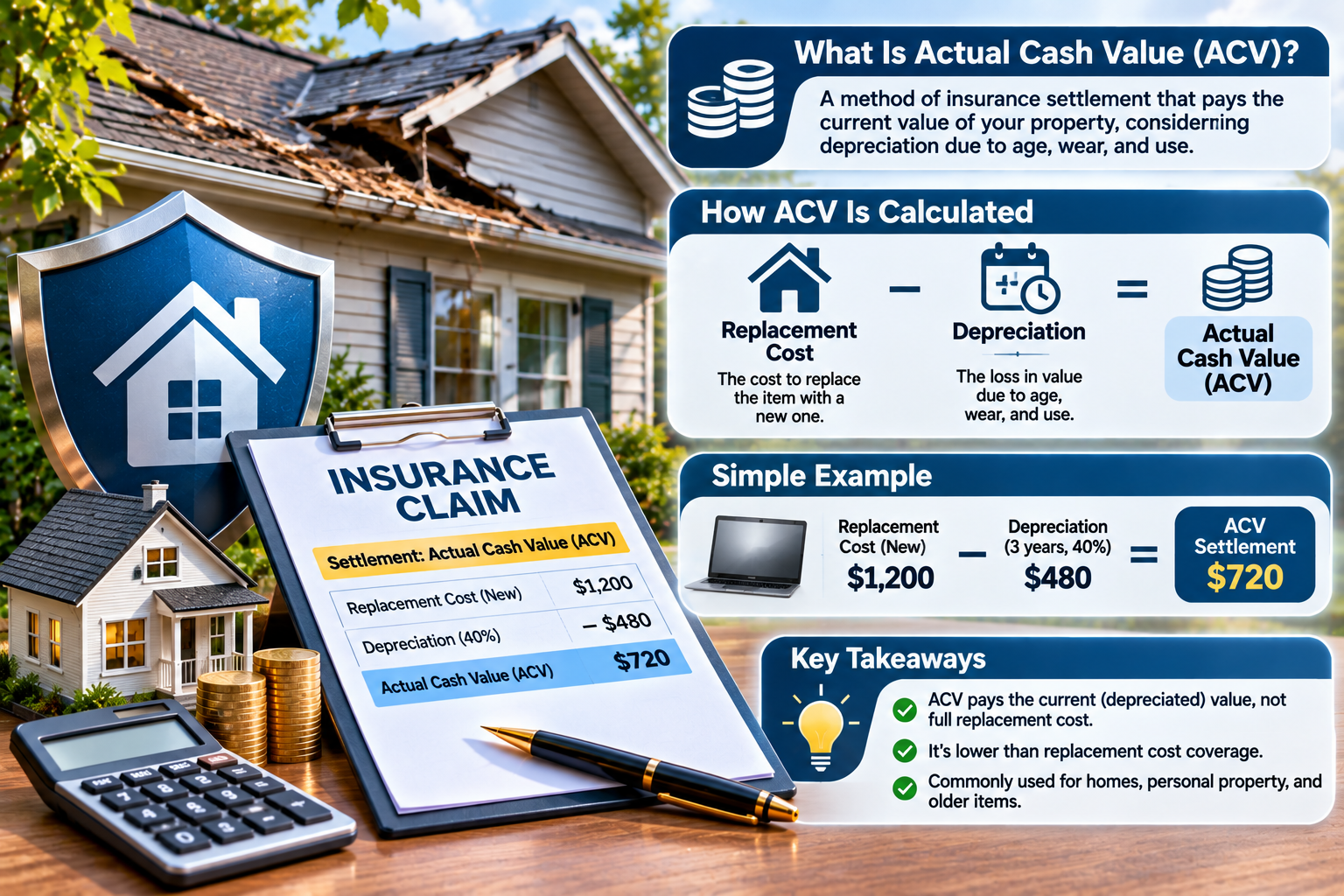
Actual Cash Value Insurance Settlements represent a pivotal aspect of the insurance landscape, where understanding the nuances can make a significant difference in the claims process. These settlements aim to provide policyholders with a fair compensation that reflects the depreciated value of their insured property at the time of loss. By grasping the intricacies of Actual Cash Value, individuals can navigate claims more effectively, ensuring they receive what they rightfully deserve.
Throughout this discussion, we will explore the definition of Actual Cash Value, how it is assessed, the challenges claimants face during negotiations, and the implications of choosing this settlement method over others. This comprehensive overview will shed light on the vital role Actual Cash Value plays in insurance claims and how policyholders can leverage their knowledge for better outcomes.
Understanding Actual Cash Value Insurance Settlements requires a clear definition of the term.
Understanding Actual Cash Value (ACV) in the context of insurance is pivotal for policyholders navigating settlement processes. ACV reflects a property’s value at the time of a loss, factoring in depreciation and wear. This method stands in stark contrast to other valuation approaches, such as Replacement Cost Value (RCV), which covers the cost to replace the item without depreciation considerations.
Definition and Distinctions of Actual Cash Value
Actual Cash Value is defined as the amount that an insured item could be sold for in the current market, minus depreciation. It’s crucial for policyholders to recognize how this valuation impacts insurance settlements. Unlike Replacement Cost Value, which would reimburse the insured for the full cost of replacing a damaged item, ACV accounts for the depreciation of that item over time.
For instance, if you owned a ten-year-old roof that cost $20,000 to install, its ACV may be significantly lower due to wear and tear and local market conditions. If a storm damaged the roof, your insurance settlement based on ACV might only be $10,000, whereas an RCV approach could offer the full $20,000 for roof replacement.
Examples of Actual Cash Value Applications
Several scenarios illustrate the application of Actual Cash Value in insurance settlements. These examples highlight the practical implications of ACV for various types of property and the resulting financial outcomes.
1. Vehicle Damage: Consider a four-year-old car valued at $25,000 when new. Due to depreciation, its ACV at the time of an accident might be assessed at $15,000. The insured will receive this amount rather than the cost to replace the car with a new one.
2. Homeowners Insurance: A homeowner experiences a fire that damages their kitchen. The cost to replace the kitchen with new fixtures and cabinetry is estimated at $30,000. However, given the age of the items and their condition before the fire, the insurance company calculates the ACV at $18,000, resulting in a lower payout.
3. Business Equipment: A small business owns machinery valued at $100,000. After five years of use, the equipment’s ACV is determined to be $60,000 due to wear and depreciation. In the event of a loss, the business would receive the ACV rather than the full replacement cost.
These examples emphasize the importance of understanding Actual Cash Value and its implications for insurance settlements, illustrating how depreciation can significantly affect the amount received during a claim.
The process of determining Actual Cash Value during an insurance claim is crucial for policyholders.
Determining the Actual Cash Value (ACV) of a claim is a pivotal process that affects the financial recovery a policyholder can expect after a loss. The calculation of ACV directly influences the settlement amount a policyholder receives and understanding this process empowers individuals to navigate their claims more effectively.
Insurance adjusters employ various methods to calculate Actual Cash Value, ensuring that the assessment reflects the fair market value of the damaged property at the time of loss. The most common methods include:
Methods Used by Insurance Adjusters to Calculate Actual Cash Value
The calculation of Actual Cash Value can vary based on the type of property and circumstances surrounding the loss. Here are some prevalent ways adjusters arrive at an ACV figure:
- Replacement Cost Minus Depreciation: This is the most commonly used method where the current replacement cost of the item is determined, and then depreciation is deducted. The formula used here can be summarized as:
ACV = Replacement Cost – Depreciation
- Market Value Approach: Adjusters may also consider the market value, which is how much the property would sell for in its current condition. This involves analyzing recent sales of similar items and their condition.
- Income Approach: This method might be employed for property that generates income, such as rental homes or commercial properties. It estimates ACV based on the income it produces, factoring in expenses and expected returns.
Several factors can significantly influence the calculation of Actual Cash Value. Understanding these factors can help policyholders prepare for discussions with their adjusters. Key factors include:
Factors Influencing Actual Cash Value Calculation
Each factor contributes to how an adjuster evaluates the worth of the property. Here are the primary factors at play:
- Age of the Property: The older the property, the more depreciation typically applies, leading to a lower ACV.
- Condition: The physical condition of the property at the time of loss plays a major role. Well-maintained items often retain higher values.
- Market Trends: Fluctuations in the local real estate market can affect the value significantly. A booming market may increase the ACV, while a declining market could decrease it.
- Type of Property: Whether the property is residential, commercial, or specialized can influence the methods and evaluations used by adjusters.
Depreciation is a critical aspect of determining Actual Cash Value, as it reflects the reduction in value due to wear and tear, age, and obsolescence. This deduction can vary based on several considerations, including:
The Role of Depreciation in Determining Actual Cash Value
Understanding how depreciation impacts ACV is essential for policyholders, as it directly affects the compensation received. Here’s a deeper look into the role of depreciation:
- Physical Depreciation: This refers to the tangible wear and tear on an item over time. For instance, a five-year-old roof will have a different ACV compared to a new one.
- Functional Obsolescence: This occurs when an item becomes less useful due to design or feature changes. For example, a home with outdated amenities may have a reduced value.
- Economic Obsolescence: External factors such as changes in the neighborhood or local economy can also affect property values. If nearby properties lose value, this can impact the ACV of similar properties.
In summary, the process of determining Actual Cash Value is multifaceted and requires careful consideration of various methods, factors, and the impact of depreciation. Policyholders should be proactive in understanding these elements to engage effectively in the claims process.
Claimants often face challenges when negotiating Actual Cash Value settlements with insurance companies.
Negotiating Actual Cash Value (ACV) settlements with insurance companies can be a complex and challenging process for claimants. Various factors come into play, often leading to misunderstandings and hurdles that can impede fair settlement outcomes. Understanding these challenges, along with common misconceptions and effective strategies, is crucial for policyholders looking to advocate for their rights during the negotiation process.
One common misconception among claimants is that their insurance company will automatically provide a fair settlement based on the value of their losses. This belief can lead to complacency, making claimants less likely to conduct thorough research or prepare adequately for negotiations. Additionally, many policyholders underestimate the importance of documentation in proving their claims. Insurers often rely on their own assessments, which may not reflect the true cost of repairs or replacements, leaving claimants at a disadvantage.
Misconceptions that hinder effective negotiation
Understanding the misconceptions that can hinder effective negotiation is vital for claimants. Here are some prevalent misunderstandings that can impact the negotiation process:
- Belief that the insurance company knows best: Many claimants assume that the insurer’s initial offer reflects the true market value of their loss. However, insurance companies often aim to minimize payouts.
- Assumption of equal negotiation power: Claimants sometimes think they are on equal footing with the insurance adjusters, who are trained negotiators with experience in settling claims.
- Overlooking policy details: Some policyholders fail to fully understand their policy’s terms and conditions, leading to unrealistic expectations regarding coverage and settlement amounts.
Strategies for advocating a fair Actual Cash Value settlement
To overcome these challenges, claimants can adopt several strategies to effectively advocate for a fair ACV settlement. These strategies emphasize preparation, research, and assertiveness during negotiations. Below are key approaches that can empower policyholders:
- Gather comprehensive documentation: Collect all relevant documents, including receipts, photographs, repair estimates, and any correspondence with the insurance company to support your claim.
- Research market value: Investigate local market conditions and comparable property values to better understand the realistic costs associated with your claim.
- Stay organized and persistent: Keep records of all interactions with the insurer, and follow up regularly to ensure your claim progresses towards a resolution.
Successful negotiation tactics employed by claimants
Claimants can enhance their negotiating power by employing effective tactics during discussions with insurance adjusters. Recognizing real-life examples can illustrate the potential for successful outcomes. Here are some proven tactics that have led to favorable settlements:
- Using independent appraisals: One claimant obtained a higher settlement by hiring an independent appraiser to assess the damages, providing evidence that contradicted the insurance company’s initial valuation.
- Creating a compelling narrative: A policyholder who experienced multiple losses documented each incident in detail, emphasizing the financial and emotional impact. This narrative helped the adjuster understand the full scope of the claim.
- Leveraging negotiation skills: A claimant practiced negotiation techniques, remaining calm and assertive during discussions, which ultimately led to a settlement that exceeded initial offers.
The implications of choosing Actual Cash Value over Replacement Cost Value can significantly impact policyholders.
Choosing Actual Cash Value (ACV) over Replacement Cost Value (RCV) in insurance policies can have profound implications for policyholders. ACV measures the value of an item at the time of loss, factoring in depreciation, while RCV covers the cost to replace the item without deducting for depreciation. This distinction can affect not just the immediate payout during claims but also the long-term financial health of policyholders.
When selecting ACV, policyholders benefit from typically lower insurance premiums. This makes it an attractive option for individuals looking to save money on their insurance costs. However, the trade-off is a reduced payout in the event of a claim. The consequences of this choice can impact future claims and policy renewals, making it essential for policyholders to understand the nuances of their decision.
Benefits and drawbacks of selecting Actual Cash Value
The decision to opt for Actual Cash Value can offer both advantages and disadvantages that policyholders need to weigh carefully.
- Lower Premiums: One of the most significant benefits of choosing ACV is the lower premium costs associated with it. This can be particularly advantageous for those on tight budgets or for homeowners looking to keep their overall expenses down.
- Immediate Financial Relief: In the event of a total loss, ACV can still provide adequate funds to replace the lost items, albeit at a depreciated value. This can help policyholders to get back on their feet quicker than they might expect.
- Potential for Underinsurance: A significant drawback is the risk of underinsurance. With ACV, the payout reflects the item’s depreciated value, which may not cover the actual cost to replace it, leaving the policyholder with a financial gap.
- Impact on Future Claims: Future claims may be influenced by the previous payout received under an ACV policy, as the calculated value may not effectively represent the current market rates for replacement items.
Effects on future claims or policy renewals
Choosing Actual Cash Value can have more than just immediate implications; it can also shape the dynamics of future claims and policy renewals.
When policyholders opt for ACV, they may find themselves receiving lower payouts during claims due to depreciation. This can create financial strain if they need to replace significant items, such as appliances or furniture, which have lost value over time. Additionally, if a claim is filed and the payout is perceived as insufficient, policyholders may face challenges during policy renewals. Insurers might increase premiums based on the risk of underinsurance in future scenarios. This could lead to a cycle where policyholders are left feeling unprotected and increasingly dissatisfied with their coverage.
Scenarios where opting for Actual Cash Value may be beneficial
In certain situations, opting for Actual Cash Value can be a strategic choice for policyholders.
- Older Homes: Homeowners with older properties may find that ACV is a better fit, as the value of the home and its contents may significantly depreciate. Paying for RCV might not make sense if replacement costs are significantly higher than the current value.
- Lower-value Items: For possessions that are less valuable or frequently replaced, such as small appliances or electronics, ACV can be a practical option. The lower premiums can offset the costs that would be incurred if a claim were to arise.
- Limited Financial Flexibility: Individuals needing to keep their expenses in check may prioritize lower premium payments over potential higher payouts. In this case, ACV serves as a more manageable financial option.
Legal considerations surrounding Actual Cash Value insurance settlements can influence claims outcomes.
Understanding the legal landscape surrounding Actual Cash Value (ACV) insurance settlements is vital for policyholders seeking to navigate their claims. The interplay of laws, regulations, and case precedents can have a significant impact on the outcome of these claims. It is essential for policyholders to be aware of their rights and the legal framework that governs their settlements.
Various laws and regulations play a crucial role in dictating how Actual Cash Value settlements are handled. Insurance policies are primarily governed by state laws, which can vary significantly across jurisdictions. For instance, many states require insurance companies to adhere to the principle of good faith and fair dealing, ensuring that policyholders receive a legitimate value for their claims. Additionally, the Unfair Claims Settlement Practices Act Artikels prohibited practices by insurers, such as denying claims without a reasonable basis.
Rights of policyholders during disputes
Policyholders have specific rights when disputing an Actual Cash Value settlement that are integral to the claims process. It’s crucial to recognize these rights in order to effectively advocate for a fair settlement. Key rights include:
- Right to a clear explanation: Insurers must provide policyholders with a transparent rationale for their settlement offers, explaining how the ACV was calculated.
- Right to appeal: Policyholders have the right to appeal any denied or unsatisfactory settlement. This often involves providing additional evidence or documentation to support their claim.
- Right to legal representation: Policyholders can seek legal guidance to navigate disputes, especially if the settlement offer seems inadequate or unfair.
- Right to file a complaint: If an insurer is believed to have acted in bad faith, policyholders can file a complaint with their state’s insurance department, seeking investigation and resolution.
Understanding these rights can empower policyholders to take the necessary steps to ensure they are treated fairly.
Notable legal cases related to Actual Cash Value settlements
Several legal cases have significantly shaped the understanding and application of Actual Cash Value settlements, serving as precedents in insurance law. These cases illustrate various legal principles and the rights of policyholders. Some notable examples include:
- Condon v. State Farm Fire & Casualty Co.: In this case, the court ruled that the insurer must provide a clear methodology for calculating the ACV, emphasizing the need for transparency in settlement calculations.
- Harper v. State Farm Mutual Automobile Insurance Co.: This case addressed the insurer’s obligation to consider depreciation factors in their ACV assessments, leading to clearer guidelines on how depreciation should be applied.
- Borg v. American Family Insurance Co.: The court found that policyholders could challenge the insurer’s valuation of property and require a more thorough justification for the settlement offered, reinforcing the rights of policyholders to dispute unfair valuations.
These cases highlight the evolving legal landscape surrounding Actual Cash Value settlements, illustrating the importance of judicial review in protecting policyholders’ rights and ensuring fair treatment by insurers.
The role of third-party evaluators in Actual Cash Value insurance settlements can provide additional perspectives.
In the realm of Actual Cash Value (ACV) insurance settlements, third-party evaluators play a crucial role in providing objective assessments that can help resolve disputes between policyholders and insurance companies. These independent appraisers offer a fresh perspective, often leading to fairer outcomes in settlement negotiations. Their insights can prove invaluable, especially when discrepancies arise regarding the value of a damaged or lost item.
Third-party appraisals function by employing professionals who are not affiliated with either the policyholder or the insurance company. These evaluators assess the item in question, taking into account its condition, market value, and depreciation. This impartial assessment serves as a neutral ground for both parties, reducing biases that may arise from internal appraisals conducted by insurance companies or personal valuations from policyholders.
Benefits of hiring an independent appraiser for settlement negotiation
Utilizing an independent appraiser for ACV disputes can lead to several benefits, enhancing the overall negotiation process. Here are some key advantages:
- Objectivity: Independent appraisers provide unbiased evaluations, ensuring that both parties can trust the assessment without concerns of favoritism.
- Expertise: Many independent appraisers have specialized knowledge and experience in specific types of property, leading to more accurate evaluations.
- Negotiation leverage: An independent appraisal can serve as a strong negotiating tool, empowering policyholders with credible data to present during discussions with insurers.
- Faster resolutions: By providing a clear and impartial valuation, independent appraisals can expedite the settlement process, avoiding prolonged disputes.
The impact of third-party evaluations is illustrated in various case studies, highlighting their significance in ACV settlements. For instance, in a high-profile case involving a fire-damaged commercial property, the insurance company initially offered a settlement based on its in-house appraisal. However, the business owner opted for an independent appraiser who identified additional costs associated with rebuilding and depreciation that the insurer overlooked. The independent evaluation resulted in a revised settlement offer that was significantly higher and more reflective of the actual costs incurred.
In another case involving personal property loss due to theft, the policyholder and insurer clashed over the value of the stolen items. By engaging a third-party appraiser, the policyholder was able to substantiate the claim with documented market values, ultimately leading to a settlement that met the true worth of the items lost.
In conclusion, the incorporation of third-party evaluators in Actual Cash Value insurance settlements brings a level of clarity and objectivity that can significantly influence outcomes. The benefits of hiring these independent appraisers, coupled with real-world examples, underscore their essential role in facilitating fair negotiations and settlements.
Actual Cash Value settlements can vary significantly depending on the type of insurance policy.
When it comes to Actual Cash Value (ACV) insurance settlements, the type of policy you have plays a crucial role in determining the amount you may receive in the event of a claim. Whether it’s homeowners insurance, auto insurance, or another type of coverage, each policy has its own nuances that affect the calculation of ACV. Understanding these differences can empower policyholders to navigate their claims more effectively and ensure they receive a fair settlement.
Actual Cash Value reflects the item’s replacement cost minus depreciation. However, the calculation can differ based on specific policy terms and conditions. These variations ensure that policyholders are compensated fairly for their losses while allowing insurers to manage risk. For instance, in a homeowners policy, the ACV may take into account the condition of the home and the materials used, while an auto policy might focus on the vehicle’s age, mileage, and overall condition at the time of the accident.
Comparative Analysis of ACV Settlements Across Insurance Types
The way Actual Cash Value is determined can significantly differ from one type of insurance to another. Here’s a closer look at how ACV settlements vary across several popular insurance categories:
- Homeowners Insurance: In the case of a claim related to home damage, the ACV is calculated by assessing the market value of the property, accounting for the age and depreciation of the home. For example, if a 10-year-old roof sustains damage, the payout would factor in the cost to replace the roof minus depreciation based on its 10-year lifespan.
- Auto Insurance: With auto insurance, the ACV is generally determined by the car’s make, model, year, and condition. For instance, if a two-year-old vehicle is totaled in an accident, the settlement would reflect the market value of a similar used vehicle, which would consider depreciation and current market demand.
- Commercial Property Insurance: In commercial insurance, ACV can vary widely based on the type of business and its assets. For example, if a piece of machinery is damaged, the ACV would be based on its purchase price minus depreciation, which might differ from a similar piece of equipment in another industry.
- Personal Property Insurance: When dealing with personal belongings, the ACV is determined by the replacement cost of items such as electronics or furniture, adjusted for their age and condition. For example, a five-year-old laptop might be valued at a fraction of its original cost due to technological advancements and wear and tear.
The terms and conditions of each specific policy can greatly influence the ACV assessments. For instance, some policies may include specific clauses that limit depreciation, while others may only cover a percentage of the item’s value based on age. Understanding these terms can greatly affect the outcomes of claims and the satisfaction of the policyholders.
“Actual Cash Value is not just a number; it’s a representation of what you have lost and how much it would cost to replace it today, factoring in depreciation.”
Ultimate Conclusion
In conclusion, understanding Actual Cash Value Insurance Settlements is essential for every policyholder looking to optimize their claims experience. By being informed about how Actual Cash Value is calculated, the common challenges in negotiations, and the legal landscape surrounding these settlements, claimants can approach their insurance companies with confidence. Ultimately, knowledge is power, and it can significantly impact the settlement outcomes that policyholders receive.
User Queries
What is the difference between Actual Cash Value and Replacement Cost Value?
Actual Cash Value considers depreciation in its calculation, while Replacement Cost Value provides the amount needed to replace the item without factoring in depreciation.
How is depreciation calculated in Actual Cash Value settlements?
Depreciation is calculated based on the item’s age, condition, and expected lifespan, reducing its value from the original cost to reflect current worth.
Can I negotiate Actual Cash Value settlements?
Yes, policyholders can negotiate Actual Cash Value settlements by presenting evidence of the item’s worth and understanding the factors affecting its valuation.
What should I do if I disagree with the insurance company’s Actual Cash Value determination?
If you disagree, gather supporting documentation, such as appraisals or comparable sales, and discuss your concerns with the insurance adjuster or consider seeking legal advice.
Are there specific types of insurance where Actual Cash Value is commonly applied?
Actual Cash Value is commonly used in homeowners, auto, and business insurance policies, though its application can vary based on the policy terms.